
Why Staying Ahead of Fashion Trends Matters in 2025
Staying ahead of fashion trends isn’t just about looking good—it’s about making a statement. Fashion is a powerful tool for self-expression, allowing you to showcase your personality, values, and creativity. In 2025, cultural and social movements will continue to shape the world. Your style can speak volumes about your awareness. It also shows your adaptability. Embracing the latest fashion trends not only helps you stand out. It also boosts your confidence. This makes you feel more connected to the world around you.
From a business perspective, staying ahead of fashion trends is equally crucial. Brands and designers who anticipate fashion trends in 2025 are better prepared. They can create collections that resonate with consumers. According to McKinsey’s State of Fashion Report, 78% of consumers are more to trust brands. This trust is strongest with brands that align with their personal values. These values are often reflected in fashion trends. By staying ahead of the curve, businesses can build loyalty, drive innovation, and maintain their relevance in a fast-paced industry.
But it’s not just about business—it’s about personal growth, too. Keeping up with fashion trends 2025 encourages you to experiment with bold new styles, unexpected fabrics, and daring combinations. It’s an invitation to step out of your comfort zone and discover a more authentic version of yourself. As we move closer to 2025, staying ahead of fashion trends isn’t just a choice. It’s a way to embrace creativity. It embodies individuality and the ever-evolving world of style.
Ever wondered how experts predict the hottest fashion trends 2025? In the next section, we’ll dive into the fascinating world of trend forecasting. We will explore everything from analyzing runway shows to tracking social media buzz. You’ll discover how data, culture, and creativity come together to shape the future of fashion.

How Fashion Trends for 2025 Are Predicted: The Science Behind the Style
Forecasting fashion trends is both an art and a science. It blends creativity with data-driven insights to predict what will dominate the fashion landscape in 2025. Experts in trend forecasting analyze a wide range of factors. They consider societal shifts and technological innovations. They also look at economic conditions and cultural movements. They examine everything from art and music to politics and consumer behavior. This analysis creates a detailed roadmap of the styles, colors, and materials that will define the future.
One of the most fascinating aspects of trend forecasting is its reliance on historical patterns. Fashion is inherently cyclical, with past trends often resurfacing in new and innovative ways. For example, the resurgence of 90s and Y2K aesthetics in recent years shows how forecasters use historical data. They predict comebacks with this information. According to WGSN, a leading trend forecasting agency, 65% of future trends are influenced by past styles. These styles are reimagined for modern audiences. This historical perspective is paired with real-time observations of street style. Social media and influencer culture provide immediate insights into what’s resonating with consumers today.
Technology is also revolutionizing how trends are predicted. Advanced tools like artificial intelligence and data analytics are now used to track online consumer behavior. They monitor social media engagement and sales patterns. Brands like Zara and H&M use AI to analyze millions of data points. This helps them predict which trends will hit big. A 2023 report by Business of Fashion revealed that 72% of fashion companies now rely on AI-driven insights. These insights help them stay ahead of the curve. As we move into 2025, traditional forecasting methods will merge with cutting-edge technology. This fusion will shape how we anticipate fashion trends. It will also influence how we embrace these trends.
Fashion trends don’t just emerge out of thin air—they evolve over time, shaped by history, culture, and innovation. In the next section, we’ll explore how fashion trends have transformed over the decades. We will also discuss what this transformation means for the styles we’ll see in 2025. Get ready to take a journey through the fascinating evolution of fashion!

From Past to Present: How Fashion Trends Have Evolved Leading Up to 2025
Fashion trends have always been a mirror of society, reflecting cultural shifts, technological advancements, and evolving values. Over the decades, we’ve witnessed dramatic transformations. There were rebellious flapper dresses of the 1920s. Then came the bold, grunge-inspired looks of the 1990s. Each era brought its own unique flair, shaped by the social and political climate of the time. Fast forward to the 21st century. Fashion has become a global phenomenon. Trends transcend borders and blend influences from around the world.
The early 2000s marked a turning point with the rise of fast fashion, which revolutionized how we consume style. Brands like Zara and H&M made it possible to replicate runway looks quickly. This created a culture of instant gratification. However, this rapid pace came at a cost. According to the Ellen MacArthur Foundation, the fashion industry is responsible for 10% of global carbon emissions. This statistic has sparked a much-needed conversation about sustainability. This has led to a shift in consumer behavior, with more people prioritizing quality over quantity and embracing slow fashion.
As we approach 2025, the fashion industry is undergoing another transformation—one driven by social responsibility and inclusivity. Brands are now focusing on ethical production, sustainable materials, and diverse representation. For example, a 2023 report by Fashion Revolution found that 68% of consumers prefer to support brands. These brands align with their values. This evolution isn’t just about aesthetics; it’s about creating a fashion landscape that values authenticity, creativity, and responsibility. The trends of 2025 will reflect this deeper cultural narrative. They will shape a future where style and sustainability go hand in hand.
Curious about what’s going to dominate the fashion scene in 2025? From bold colors to futuristic fabrics, the next section dives into the key trends that will shape the industry. Get ready to discover the styles that will define the future—and how you can incorporate them into your wardrobe!

Top Fashion Trends 2025: What’s Defining the Future of Style
The fashion landscape of 2025 is set to be a thrilling blend of innovation, inclusivity, and sustainability. It reflects the values and challenges of our time. One of the most transformative trends is the rise of gender-fluid fashion. As society moves toward embracing diverse gender identities, fashion is following suit. Brands are breaking free from traditional gender norms, creating designs that celebrate individuality and self-expression. According to a 2023 report by McKinsey, 42% of Gen Z consumers prefer brands that offer gender-neutral options. This indicates a seismic shift in how fashion is perceived and consumed.
Another game-changing trend is the integration of technology into fashion. From smart textiles to 3D printing, technology is revolutionizing every aspect of the industry. Imagine clothes that adapt to your body temperature. Or picture clothes that change color based on your mood. This isn’t science fiction; it’s the future of fashion. Augmented reality (AR) is also making waves. Virtual fitting rooms let shoppers “try on” outfits from the comfort of their homes. A study by Statista predicts that the global market for AR in fashion will grow by 30% annually, reaching $12.8 billion by 2025. These innovations aren’t just enhancing the consumer experience—they’re also paving the way for more efficient, waste-free production processes.
Finally, sustainability remains a cornerstone of the 2025 fashion narrative. Consumers are increasingly demanding transparency and accountability from brands, leading to a surge in eco-friendly practices. From recycled materials to circular fashion models, the industry is undergoing a green revolution. For instance, brands like Patagonia and Stella McCartney are leading the charge, proving that style and sustainability can coexist. A 2023 survey by Nielsen found that 73% of global consumers are willing to change their consumption habits. Their goal is to reduce environmental impact. This isn’t just a trend—it’s a movement toward a more ethical and responsible fashion future.
Sustainability isn’t just a buzzword—it’s the future of fashion. In the next section, we’ll explore how eco-friendly practices are shaping the industry in 2025. Recycled materials and circular fashion models are also contributing to this change. Discover how you can stay stylish while making a positive impact on the planet!

Sustainable Fashion Trends 2025: The Green Revolution in Style
The fashion industry is undergoing a green revolution, and by 2025, sustainability will no longer be optional—it will be essential. Consumer awareness and demand for ethical practices are rising. As a result, sustainable fashion trends are reshaping how we design, produce, and consume clothing. One of the most exciting developments is the rise of recycled and upcycled materials. Brands are turning post-consumer waste, like plastic bottles and discarded textiles, into chic, high-quality garments. For instance, Adidas has already sold over 15 million pairs of shoes made from ocean plastic. This achievement proves that sustainability and style can go hand in hand. This shift not only reduces waste but also slashes the carbon footprint of traditional textile production.
Another game-changer is the circular fashion model. It reimagines clothing as part of a continuous lifecycle rather than a one-time purchase. Brands like H&M and Patagonia are leaders in this movement. They offer take-back programs that allow customers to return used items for recycling or refurbishing. According to the Ellen MacArthur Foundation, adopting circular fashion practices reduce global carbon emissions by 45% by 2030. This trend is empowering consumers to rethink their habits and embrace a more sustainable relationship with fashion.
Transparency is also becoming non-negotiable. Today’s shoppers want to know the story behind their clothes. They are interested in everything from the sourcing of materials to the working conditions of garment workers. Brands that prioritize ethical labor practices and supply chain transparency are gaining trust and loyalty. Certifications like Fair Trade and B Corp are becoming badges of honor, signaling a commitment to social and environmental responsibility. A 2023 report by Fashion Revolution revealed an insightful fact. It showed that 75% of consumers are more to support brands that are transparent about their practices. As we move into 2025, sustainable fashion trends will continue to challenge the status quo. These trends are driving innovation and inspiring a new era of conscious consumption.
From smart fabrics to AI-designed collections, technology is revolutionizing the fashion industry. In the next section, we’ll explore how tech-driven innovations are shaping the future of style in 2025. Get ready to discover how fashion is becoming smarter, more personalized, and more sustainable than ever before!

Tech-Driven Fashion Innovations 2025: Where Style Meets the Future
The fashion industry is on the brink of a tech-driven revolution. By 2025, innovation will be at the heart of how we create, wear, and experience style. One of the most exciting developments is the rise of wearable technology. Imagine clothing that does more than just look good. Smart garments embedded with sensors can monitor your heart rate. They can track your fitness goals. They can even sync with your smartphone to adjust to your preferences. Brands like Ralph Lauren and Levi’s are already experimenting with smart fabrics. These brands demonstrate that fashion can be both functional and fashionable. Grand View Research reports that the global wearable technology market is expected to reach $74 billion by 2025. This market is growing rapidly. This highlights its growing influence on the industry.
Another game-changing innovation is 3D printing, which is revolutionizing how designers bring their visions to life. This technology allows for the creation of intricate, customizable designs that were once impossible to produce. For example, designer Iris van Herpen has used 3D printing to craft stunning and avant-garde pieces. These pieces blur the line between fashion and art. Beyond its creative potential, 3D printing also promotes sustainability by enabling on-demand production, reducing waste, and minimizing overstock. A 2023 study by McKinsey found that 40% of fashion brands are exploring 3D printing. They aim to streamline their production processes. They also want to meet consumer demand for unique, personalized items.
Virtual and augmented reality are also transforming the shopping experience. Virtual fitting rooms and AR apps allow consumers to “try on” clothes from the comfort of their homes. This makes online shopping more interactive. It also reduces return rates. Brands like Gucci and Zara are already using AR to create immersive shopping experiences, blending the digital and physical worlds. As these technologies become more widespread, they’ll enhance convenience. They will also pave the way for a more sustainable and personalized fashion future.
From TikTok stars to Instagram icons, influencers are redefining how we discover and embrace fashion trends. In the next section, we’ll explore how these digital tastemakers are shaping the future of style in 2025. We will also discuss what it means for brands and consumers alike. Get ready to dive into the world of influencer-driven fashion!

How Influencers Are Shaping Fashion Trends in 2025
Influencers have become the heartbeat of the fashion industry, driving trends and reshaping consumer behavior like never before. These digital tastemakers have massive social media followings. Their unparalleled reach is redefining what it means to be stylish in 2025. Platforms like Instagram, TikTok, and YouTube have turned influencers into trendsetters. They allow them to showcase their unique aesthetics. They also amplify brands that resonate with their values. According to a 2023 report by Influencer Marketing Hub, 72% of consumers say they trust influencers more than traditional advertisements. This highlights their growing impact on the fashion narrative.
One of the most exciting shifts in the influencer space is the push for diversity and inclusivity. As societal norms evolve, there’s a growing demand for representation across body types, ethnicities, and gender identities. Influencers like Lizzo, Paloma Elsesser, and Aaron Philip are leading the charge. They use their platforms to celebrate individuality. They also challenge outdated beauty standards. Brands are taking note, collaborating with a broader range of influencers to authentically connect with diverse audiences. For instance, Fenty Beauty’s inclusive campaigns have set a new benchmark, proving that representation isn’t just a trend—it’s a movement.
Authenticity is also becoming non-negotiable. Today’s consumers crave genuine connections and are quick to spot inauthentic endorsements. Influencers who prioritize transparency and only promote products they truly believe in are building deeper trust with their followers. A 2023 survey by Morning Consult discovered that 63% of consumers are more to purchase a product. They are inclined to do so if it’s recommended by an influencer they trust. As we move into 2025, influencers will keep shaping the fashion industry. They will drive conversations around inclusivity, authenticity, and social responsibility.
From iconic runway shows to groundbreaking exhibitions, fashion events are where trends are born and creativity thrives. In the next section, we’ll highlight the must-attend fashion events of 2025. We will explain why these events are essential for anyone looking to stay ahead of the curve. Get ready to mark your calendars!

Top Fashion Events to Watch in 2025: Where Trends Come to Life
Fashion events are the beating heart of the industry. In 2025, they’ll be bigger, bolder, and more innovative than ever. New York Fashion Week (NYFW) leads the pack. It is a global powerhouse. It sets the tone for the season’s hottest trends. In 2025, expect NYFW to blend classic runway shows with cutting-edge formats that spotlight sustainability and technology. Emerging designers will take center stage, challenging traditional norms and introducing fresh perspectives. The Business of Fashion reports that 60% of fashion weeks worldwide are now incorporating sustainable practices. This makes NYFW 2025 a must-watch for eco-conscious trendsetters.
Another standout event is the Copenhagen Fashion Summit, the world’s leading forum for sustainable fashion. In 2025, this summit will convene industry leaders, policymakers, and innovators. They will tackle pressing issues like ethical production. Circular fashion and climate action are also on the agenda. With its focus on collaboration and actionable solutions, the summit is a driving force for change. A 2023 report by Global Fashion Agenda revealed that 80% of fashion brands are now committed to sustainability goals. This makes events like the Copenhagen Fashion Summit more critical than ever.
But the future of fashion events isn’t just physical—it’s digital. Virtual fashion shows and immersive experiences are redefining how we engage with style. Brands like Balenciaga and Gucci are already experimenting with AR and VR to create unforgettable digital showcases. These innovations not only make fashion more accessible to global audiences but also push the boundaries of creativity. As we move into 2025, fashion events will continue to evolve. They will blend tradition with technology. This evolution will shape the trends and conversations that define the industry.
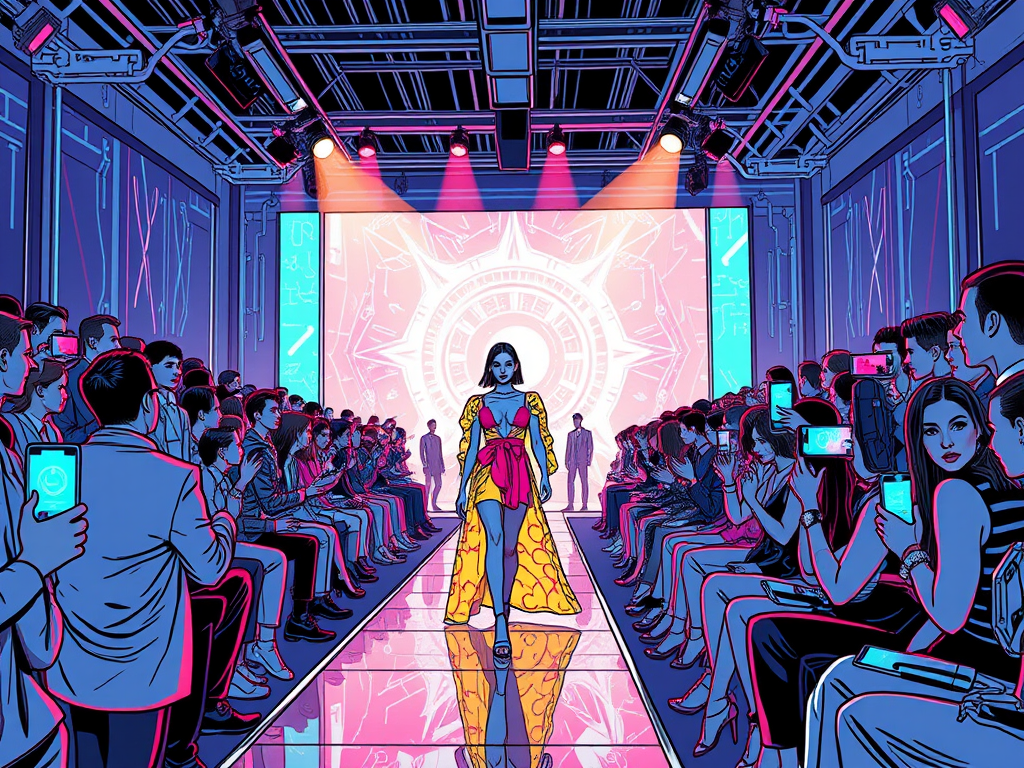
The future of fashion is here, and it’s more exciting than ever. In the final section, we’ll explore how you can embrace the trends, innovations, and values shaping the industry in 2025. From sustainability to technology, discover how to stay ahead of the curve and make a statement with your style.
Embracing the Future of Fashion in 2025 and Beyond
As we step into 2025, the fashion industry finds itself at the crossroads of innovation, sustainability, and inclusivity. This offers a future brimming with possibilities. This transformative era is not just about what we wear. It’s about how we express our values. We also embrace technology. It contributes to a more responsible world. Fashion trends such as gender-fluid designs, smart textiles, and circular fashion models emerge in 2025. These trends reflect a cultural shift. The focus is on creativity, accountability, and connection.
For fashion enthusiasts, staying ahead means being open to experimentation and informed about the latest developments. The choices we make can have a profound impact. We can try out bold, tech-infused designs. Alternatively, we can support brands that champion sustainability. According to a 2023 report by Euromonitor International, 67% of consumers are willing to pay more for sustainable fashion. This signals a growing demand for ethical practices. By aligning our wardrobes with our values, we can make a statement that goes beyond style.
In conclusion, the future of fashion is not just about trends—it’s about embracing a mindset of innovation, responsibility, and authenticity. As we navigate this exciting landscape, let’s celebrate the diversity of ideas and styles that shape our world. Together, we can pave the way for a fashion industry that’s not only stylish but also sustainable and inclusive. The future is here, and it’s time to make our mark.

 SAFLORE
Leave a comment