
Let’s get one thing straight: the 1950s were a vibe. Picture it—rock ‘n’ roll and drive-in movies. Fashion screamed “I woke up like this” (even if it took 2 hours and a can of hairspray). But here’s the kicker: not everything that glitters is gold. Sure, the ‘50s gave us some iconic looks. Let’s be real—some of those trends should’ve stayed in the past. They should be buried under a pile of poodle skirts and saddle shoes.
In this deep dive, we’re unpacking the good, the bad, and the downright questionable of 1950s fashion. Think of it as a time capsule—except we’re deciding what stays locked away and what gets a second chance. Spoiler alert: some of these trends are so cringe, you’ll wonder how anyone ever thought they were a good idea.
So, grab your martini (shaken, not stirred) and let’s take a stroll down memory lane. By the end of this, you’ll either be rushing to thrift stores. You snag some vintage gems. Alternatively, you’ll be thanking the fashion gods that we’ve moved on. Ready? Let’s go.
The 1950s: Where Elegance Met Rebellion (And Some Trends We Should Leave Behind)
Let’s talk about the 1950s—a decade that was equal parts elegance and extra. This was the era where fashion said, “Let’s go big or go home,” and boy, did it deliver. Poodle skirts double as parachutes. Dior’s “New Look” redefined femininity. The ‘50s were a masterclass in style. But here’s the thing: not all of it deserves a comeback.
Take the poodle skirt, for example. Sure, it’s cute in a retro-nostalgia way. But let’s be honest—who’s got the time to rock a skirt that looks like it belongs at a sock hop? These full, circle skirts were the epitome of post-war optimism. They were paired with fitted tops and cinched waists. This created that iconic hourglass silhouette. They were fun, flirty, and very 1950s. But today? They’re more costume than closet staple. Fun fact: The poodle skirt craze was so massive that by 1955, over 1.5 million skirts were sold annually in the U.S. alone, according to Vintage Dancer. That’s a lot of poodles.
Then there’s Dior’s “New Look.” Oh, you’ve heard of it? Of course, you have—it’s the trend that basically invented the phrase “dress to impress.” Soft shoulders, cinched waists, and skirts so full they could hide a small family. It was glamorous. It was luxurious. It was a giant middle finger to the utilitarian styles of the war years. Designers like Givenchy and Balenciaga jumped on the bandwagon, turning women into walking works of art. But here’s the kicker: while it was revolutionary, it also boxed women into a very specific idea of femininity. And let’s not even get started on how impractical those skirts were for, you know, life. Did you know that a single “New Look” dress use up to 25 yards of fabric? That’s enough material to make three modern dresses, according to The Metropolitan Museum of Art. Talk about overkill.
And let’s not forget the guys. The ‘50s gave us Marlon Brando in a leather jacket, forever cementing it as the ultimate symbol of cool. But it also gave us slim-fit suits and narrow lapels, which, let’s be real, are still fire. The contrast between rebellious youth culture and polished sophistication was stark. This dynamic mix created a fashion landscape that was both diverse and iconic.
So, while the 1950s gave us some unforgettable looks, not all of them deserve a spot in your 2025 wardrobe. Some trends are better left in the past—where they can stay iconic without cluttering your closet.
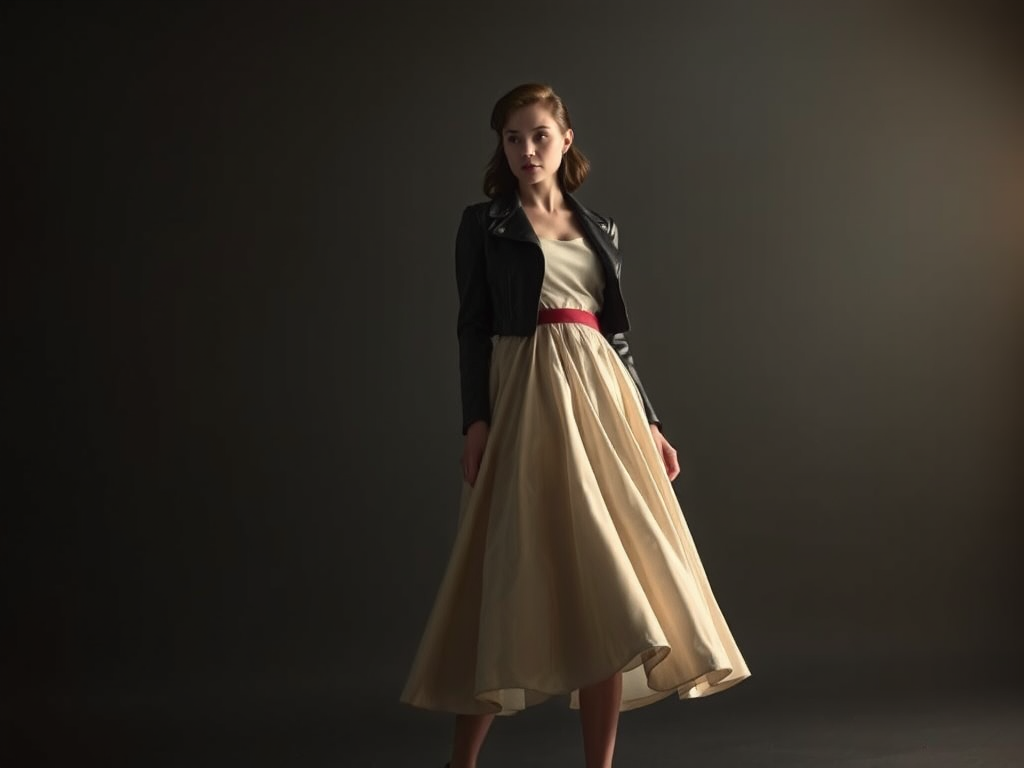
From Poodle Skirts to Power Suits: How Fashion Evolved (And Left Some Trends Behind)
Let’s be real: fashion doesn’t just change—it revolts. And the evolution since the 1950s is proof that style is never static. The journey began with cinched waists and full skirts. It has now transformed into a kaleidoscope of trends. Each trend is a reflection of the times. But here’s the twist: not every trend from the past deserves a second act.
The 1960s kicked things off with a bang, ditching the prim and proper for miniskirts and psychedelic prints. Designers like Mary Quant and André Courrèges said, “Bye, bye, hourglass silhouette,” and hello to liberation. This wasn’t just a fashion shift—it was a cultural earthquake. The miniskirt became a symbol of women’s empowerment. Sales skyrocketed by 300% between 1965 and 1970, according to The Fashion Institute of Technology. The ‘60s didn’t just change clothes; they changed minds.
Then came the ‘70s and ‘80s, where fashion went full-on rebellious. Bohemian chic, power suits, punk leather, and disco glitter—it was a free-for-all. Designers like Yves Saint Laurent and Gianni Versace didn’t just push boundaries; they obliterated them. And let’s not forget the rise of gender fluidity. By the ‘80s, androgynous styles were breaking down traditional norms, proving that fashion is a tool for inclusivity. Fun fact: Versace’s iconic safety-pin dress, worn by Elizabeth Hurley in 1994, is a landmark piece of fashion history. It is one of the most famous dresses ever made. It has been displayed in high end locations. The dress has also been offered for sale in these venues, according to Christie’s. Talk about leaving a legacy.
Fast forward to the 21st century, and fashion is moving at warp speed—literally. Fast fashion brands like Zara and H&M can turn a runway look into a $20 dress in weeks. But here’s the catch: this convenience comes at a cost. The fashion industry is responsible for 10% of global carbon emissions, according to the United Nations Environment Programme. Yikes.
Now, we’re seeing a return to the craftsmanship and quality of the past—think 1950s tailoring but with a modern twist. Designers are blending vintage aesthetics with sustainable practices, proving that fashion can honor its roots without repeating its mistakes.
So, while the 1950s gave us some unforgettable looks, the evolution of fashion since then has been a wild ride. Some trends deserve to stay in the past, while others? Well, they’re worth revisiting—just with a 21st-century upgrade.
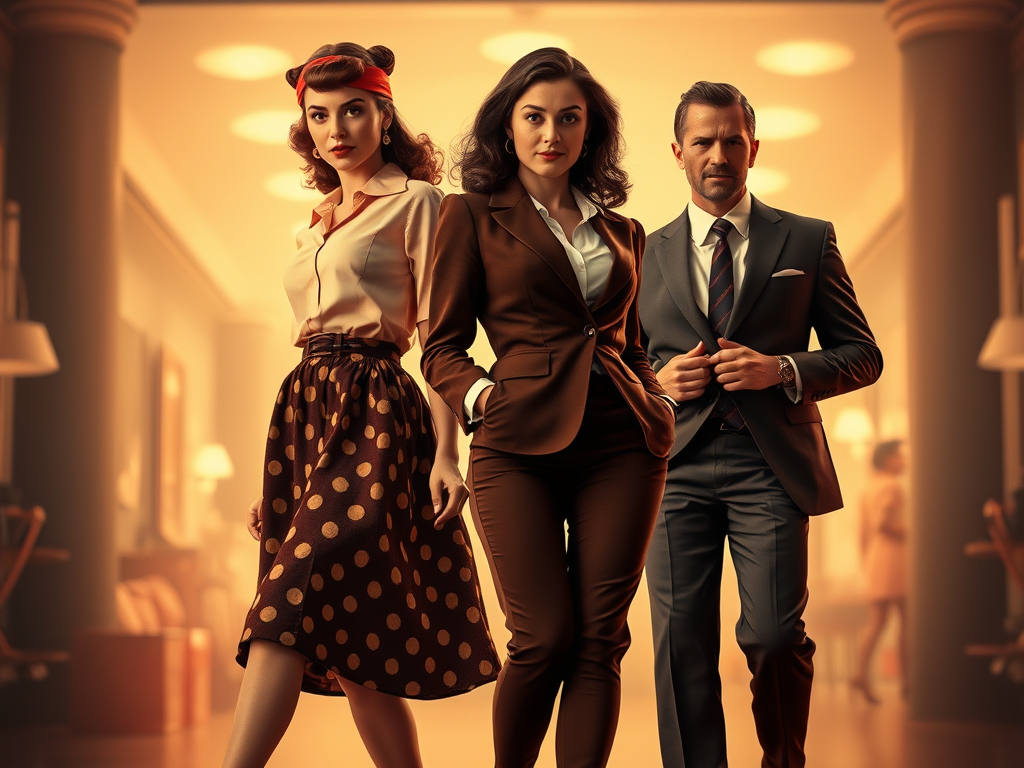
Sorry, Not Sorry: Why These 1950s Trends Need to Stay in the Past
Let’s cut to the chase: not every trend from the 1950s deserves a comeback. Sure, the decade gave us some iconic looks. But, let’s be real—some of them are better left in the history books. Why? Because fashion isn’t just about looking good; it’s about fitting into the world we live in today. And some 1950s styles? They just don’t make the cut.
Take the poodle skirt, for example. Adorable? Absolutely. Practical? Not even close. These full, circle skirts were the epitome of post-war fun. Let’s face it—they’re about as functional as a screen door on a submarine. Today, 64% of consumers value comfort in their clothing choices. A 2022 report by McKinsey & Company shows this trend. The poodle skirt’s exaggerated silhouette feels more like a costume. It does not resemble a wardrobe staple. It does not resemble a wardrobe staple. And those playful motifs? Cute for a themed party, but they don’t exactly scream “2023 chic.”
Then there are saddle shoes. Once the go-to footwear for rebellious teens, these two-tone oxfords now look outdated. They have about as much appeal as your dad’s high school yearbook photo. Sure, they’ve got vintage charm, but compared to today’s sleek, versatile sneakers and boots, they’re clunky relics of the past. The global sneaker market is projected to hit $120 billion by 2026 (per Statista). This projection proves that comfort and style are the ultimate power duo. Saddle shoes? They’re sitting this one out.
But here’s the real kicker: 1950s fashion was built on rigid gender norms that just don’t fly today. Hyper-feminine silhouettes for women and sharp, boxy suits for men? That binary thinking feels outdated. 56% of Gen Z consumers actively seek out gender-neutral clothing (according to Vogue Business). Fashion today is about breaking barriers, not reinforcing them.
So, while we can appreciate the nostalgia of 1950s styles, let’s not kid ourselves—some trends are better off as memories. Because fashion should move ahead, not backward.

The 1950s Are Back (But Not How You Remember Them)
Let’s get one thing straight: the 1950s aren’t gone—they’re just evolving. Sure, some trends from that era are better left in the past. I’m looking at you, poodle skirts. But the influence of 1950s fashion? It’s everywhere. Designers today are taking those iconic silhouettes. They are giving them a modern makeover. This proves that good style never really dies. It just gets a fresh coat of paint.
Take the hourglass figure, for example. Dior’s “New Look” has been born in the ‘50s, but it’s alive and well in 2023. Structured dresses, cinched waists, and tailored pieces are making a major comeback, but with a twist. Think less “June Cleaver” and more “Zendaya on the red carpet.” In fact, the global market for vintage-inspired clothing is expected to grow by 6.5% annually through 2027, according to Grand View Research. Why? Because nostalgia sells—but only when it’s updated for the modern world.
And let’s not forget the rebellious spirit of the ‘50s. That rock ‘n’ roll energy? It’s still alive in today’s street style. Leather jackets, graphic tees, and denim everything are staples of casual wear. They owe a lot to the greasers and rebels of the mid-century. Brands like Levi’s and AllSaints are capitalizing on this vibe. Denim sales alone are projected to hit $87 billion by 2027 (per Statista). The lesson? Rebellion never goes out of style.
But here’s the real game-changer: the 1950s’ emphasis on quality and craftsmanship is having a major moment. In a world drowning in fast fashion, consumers are craving pieces that last. Enter the rise of sustainable fashion. Designers are revisiting traditional techniques and materials, creating garments that honor the past while embracing the future. A 2021 report by McKinsey & Company found that 67% of consumers consider sustainable materials when making a buy. That’s not just a trend—it’s a movement.
We’re not bringing back every 1950s trend. Seriously, let’s leave the saddle shoes behind. Yet, the era’s influence is undeniable. It’s a reminder that fashion isn’t just about looking back—it’s about moving ahead, one stylish step at a time.

Nostalgia Is Fun, But Practicality Wins Every Time
Let’s be honest: we all love a good throwback. There’s something irresistible about the romanticized charm of vintage fashion. The vibrant colors captivate us. We adore the playful patterns. It’s all tied to the idea of a simpler time. But here’s the cold, hard truth: nostalgia doesn’t always translate to real life. Sure, a 1950s-inspired fitted dress can make you feel like Audrey Hepburn, but can you actually live in it? Spoiler alert: probably not.
Fashion today is more about practicality than glamour. It’s about surviving your 9-to-5, your kid’s soccer practice, and that impromptu happy hour—all without changing clothes. According to a 2023 report by Euromonitor International, 72% of consumers prioritize comfort and versatility in their clothing choices. That’s a far cry from the structured, often restrictive silhouettes of the 1950s.
Take the iconic 1950s pencil skirt, for example. It’s sleek, it’s chic, and it’s perfect for… standing still. But try running for the bus in one. Chase a toddler and you’ll quickly realize why modern fashion leans toward stretchy fabrics and relaxed fits. The rise of athleisure is undeniable. It’s a market projected to hit $517 billion by 2025 according to Allied Market Research. This trend shows that practicality isn’t just a trend; it’s a lifestyle.
And let’s not forget the role of social media. In the age of Instagram and TikTok, fashion moves at lightning speed. The pressure to constantly showcase new looks means people are less to invest in one-and-done statement pieces. Instead, they’re opting for versatile, mix-and-match items that can do double (or triple) duty. A 2022 survey by Deloitte found that 65% of consumers prefer buying timeless, versatile pieces over trendy items. Translation: nostalgia is nice, but it’s not paying the bills.
The 1950s have given us some unforgettable looks. Nonetheless, the modern wardrobe focuses on balancing style with sensibility. At the end of the day, fashion isn’t just about looking good. It’s about living your life without tripping over your own hemline.

How to Steal the Best of the 1950s (Without Looking Like a Time Traveler)
Let’s face it: not everything from the 1950s deserves a comeback. But that doesn’t mean we can’t steal the good stuff and make it work for 2023. The key? Reimagining classic elements in a way that feels fresh, modern, and—most importantly—wearable. Think of it as vintage fashion, but with a glow-up.
Take the A-line dress, for example. It’s a 1950s staple that’s stood the test of time. However, let’s be real—no one wants to wear stiff taffeta anymore. Scratchy petticoats are also a thing of the past. Enter modern updates: lightweight fabrics, bold prints, and innovative cuts that keep the silhouette but ditch the discomfort. Brands like Reformation and Sézane are killing it with this approach, proving that nostalgia can be chic. In fact, the global market for vintage-inspired clothing is expected to grow by 6.5% annually through 2027, according to Grand View Research). Why? Because people love the past—just not the impractical parts.
And let’s talk accessories. Cat-eye sunglasses, structured handbags, and bold earrings are the ultimate cheat code for adding a retro vibe to any outfit. These pieces are like the seasoning of fashion—just a sprinkle can transform a basic look into something special. Case in point: the global accessories market is projected to hit $722 billion by 2028 (per Allied Market Research). Vintage-inspired designs are a significant driver of that growth.
But here’s where it gets really fun: mixing 1950s motifs with modern styles. Imagine polka dots on a bomber jacket or gingham paired with streetwear. It’s unexpected, it’s bold, and it’s so now. Designers like Gucci and Miu Miu are already playing with this juxtaposition, creating pieces that feel both nostalgic and cutting-edge. A 2022 report by WGSN found that 78% of consumers are drawn to fashion that blends vintage and contemporary elements. Translation: people want the best of both worlds.
We’re not bringing back every 1950s trend. Seriously, let’s leave the crinoline skirts in the past. Still, there’s plenty to love—and steal—from the era. It’s all about taking the good, ditching the bad, and making it work for today. Because fashion isn’t just about looking back; it’s about moving ahead with style.

Can You Love Retro Fashion Without Hurting the Planet? (Spoiler: Yes, But Here’s How)
The allure of retro fashion is undeniable. There’s something magical about slipping into a 1950s-inspired piece—it’s like stepping into a time machine, if only for a moment. But as we embrace these nostalgic styles, it’s worth asking: can we celebrate the past without compromising our future? The fashion industry is under increasing scrutiny for its environmental impact. It’s also facing ethical challenges. Thus, how we approach retro fashion matters more than ever.
The problem isn’t the nostalgia—it’s how the industry often exploits it. Fast fashion brands have commodified vintage aesthetics. They churn out cheap replicas that mimic the look of the 1950s. Yet, these replicas lack the quality and integrity of the originals. These garments are often produced under questionable labor conditions and contribute to the industry’s staggering environmental footprint. Consider this: the fashion industry is responsible for 10% of global carbon emissions, according to the United Nations Environment Programme. That’s more than all international flights and maritime shipping together. It’s a sobering reminder of the cost of our clothing choices.
But there’s a better way. Supporting sustainable brands that focus on ethical production techniques is one way to navigate the complexities of retro fashion. Many contemporary designers are reimagining vintage silhouettes using eco-friendly materials, fair labor practices, and transparent supply chains. We can invest in high-quality, ethically produced garments that draw inspiration from the 1950s. This allows us to enjoy the nostalgic appeal. At the same time, we contribute to a more sustainable fashion ecosystem. This shift honors the craftsmanship of the past. It also aligns with modern values of environmental consciousness. Additionally, it supports social responsibility.
Another choice? Thrifting. The revival of second-hand shopping has transformed vintage stores and online platforms into treasure troves. These platforms offer 1950s-inspired pieces, each with its own unique history. By embracing pre-loved fashion, we can curate wardrobes that show our personal style. This also helps in reducing the demand for new clothing production. The second-hand market is booming. Projections suggest it will double in size by 2027. It is expected to reach a staggering $350 billion, according to ThredUp’s 2023 Resale Report. That’s not just a trend—it’s a movement.
At its core, embracing retro fashion ethically is about balance. It’s about honoring the past without romanticizing it, and celebrating style without sacrificing our values. By making thoughtful choices, we can enjoy the best of 1950s fashion. We can also contribute to a more responsible and sustainable future.

How the Fashion Industry Keeps Vintage Trends Alive (For Better or Worse)
The fashion industry has a love affair with the past—and it’s not exactly a secret. From runway shows to fast fashion racks, vintage trends are constantly being resurrected, reimagined, and resold. Designers and brands act as time travelers. They pluck iconic elements from decades like the 1950s. These elements are repackaged for modern audiences. But while this cyclical nature of fashion keeps history alive, it also raises some tough questions. Are we celebrating creativity? Or are we just recycling it? And at what cost?
Fashion weeks are ground zero for this nostalgia-driven cycle. Each season, designers like Gucci, Prada, and Marc Jacobs send models down the runway. Their collections scream “vintage vibes.” In 2023 alone, 35% of runway shows featured overt references to past decades, according to Vogue’s Fashion Week Report. These shows don’t just celebrate the past—they market it, turning retro styles into must-have trends. But here’s the catch: if designers aren’t careful, their collections seem more like carbon copies. They not feel like fresh interpretations. The key is striking a balance between homage and innovation—a challenge the industry is still grappling with.
And then there’s social media, the ultimate amplifier of vintage trends. Influencers are flooding platforms like Instagram and TikTok with #ThrowbackFits. Everyday fashion lovers are doing the same. This sparks a grassroots revival of styles from the 1950s and beyond. This organic buzz often translates into big business for brands. For example, searches for “vintage-inspired fashion” on platforms like Pinterest have increased significantly. They have surged by 40% in the last year, according to Pinterest Trends. But as brands rush to meet this demand, they risk prioritizing profit over principles.
The real challenge? Ensuring that the resurgence of vintage fashion doesn’t come at the expense of sustainability and ethical practices. Fast fashion brands, in particular, are notorious for producing cheap, low-quality replicas of retro styles. This practice adds to the industry’s 92 million tons of textile waste annually (as reported by the Ellen MacArthur Foundation). If the fashion industry wants to keep vintage trends alive, it needs to do so in a responsible manner. The industry must honor the past. It should avoid repeating past mistakes.

The Future of Fashion: Learning from the 1950s Without Living in Them
Let’s face it: the 1950s gave us some unforgettable fashion moments. The glamour of Dior’s “New Look” was notable. The rebellious edge of leather jackets also stood out. The decade left an indelible mark on style. But as much as we love a good throwback, the future of fashion isn’t about living in the past. It’s about learning from it. The challenge? We must strike a balance between honoring those iconic trends. We also need to push the industry ahead in a way that’s ethical, inclusive, and innovative.
The 1950s were all about structure, polish, and a very specific idea of femininity and masculinity. But today’s fashion is breaking free from those rigid norms. Gender-neutral clothing is on the rise, with 56% of Gen Z consumers actively seeking out pieces that transcend traditional gender roles, according to Vogue Business). This shift isn’t just about style—it’s about progress. And while we can appreciate the craftsmanship of 1950s fashion, we don’t have to replicate its limitations.
Sustainability is another area where the future is leaving the past in the dust. The 1950s were all about excess—think full skirts that used 25 yards of fabric (per The Metropolitan Museum of Art). Today, we’re moving toward a more mindful approach. The second-hand apparel market is booming, with projections suggesting it will nearly double in size by 2027 and reach $350 billion by 2028 according to ThredUp’s 2023 Resale Report). That’s not just a trend—it’s a revolution.
So, what’s the takeaway? The 1950s taught us that fashion is powerful—it can define an era, challenge norms, and tell a story. But the future of fashion is about more than just looking back. It’s about taking the best of the past. We need to embrace its craftsmanship, creativity, and boldness. We can use these elements to build a more sustainable, inclusive, and innovative industry. Because fashion isn’t just about where we’ve been—it’s about where we’re going.

 SAFLORE
Leave a comment