Tag: fashion

  • What to Wear for an Interview as a Woman? Stop Following These Outdated Fashion Rules

    What to Wear for an Interview as a Woman? Stop Following These Outdated Fashion Rules

    Step into the modern era of professional attire. We break free from outdated fashion norms with our exclusive guide on what to wear for an interview. In a world where first impressions matter more than ever, it’s time to redefine success in dressing. Change the way you think about dressing for success. Did you know that 55% of hiring managers say a candidate’s appearance significantly influences their decision (Source: Forbes)? Say goodbye to the cookie-cutter suits and hello to a wardrobe that showcases your personality and confidence.

    In this article, we explore the dos and don’ts of contemporary interview fashion. We empower women to make bold choices that leave a lasting impact. From power blazers to statement accessories, we reveal the secrets to standing out in a sea of traditional attire. Whether you’re aiming for a corporate powerhouse or a creative startup, we’ve got you covered. Our innovative styling tips scream sophistication. They also emphasize professionalism.

    Ready to explore how interview attire for women has evolved over the years? Stay tuned! We will dive into the evolution of interview attire for women. Modern trends are reshaping professional fashion!

    The Evolution of Interview Attire for Women: From Rigid Rules to Authentic Expression

    The landscape of professional attire has undergone significant transformation over the last few decades, particularly for women. In the early days of women’s participation in the workforce, interview attire was largely dictated by strict, often uncomfortable standards. The quintessential image involved tailored skirts and blouses, typically paired with conservative blazers. These ensembles, while presenting a polished appearance, often stifled personal expression and comfort. As more women entered various professional fields, the need for a wardrobe that combined professionalism with individuality became apparent.

    With the rise of the feminist movement and changing societal norms, women began to challenge these outdated expectations. More versatile clothing options were introduced. This allowed women to express their identity. They still adhere to the basic tenets of professionalism. Pantsuits, once a symbol of rebellion, became commonplace. Colors beyond the traditional navy and black started to emerge in the workplace. This evolution illustrated a broader acceptance of diverse styles, reflecting a shift towards more inclusive and relatable professional environments. For example, 70% of women now prefer tailored trousers over skirts for interviews. This highlights a growing preference for comfort and versatility. (Source: Vogue Business)

    Today, interview attire for women is as varied as the roles they are pursuing. From chic, tailored trousers paired with vibrant blouses to stylish, sophisticated dresses, the options are endless. This evolution signifies a change in fashion. It also represents a cultural shift where women are encouraged to bring their authentic selves to the workplace. In fact, 85% of hiring managers appreciate when candidates showcase their personality through their attire (Source: LinkedIn). This proves that modern interview fashion is about more than just looking professional. It’s about feeling confident and authentic.

    But why is it so important to modernize your interview attire? Stay tuned as we explore the importance of modernizing interview attire and how it can impact your career success!

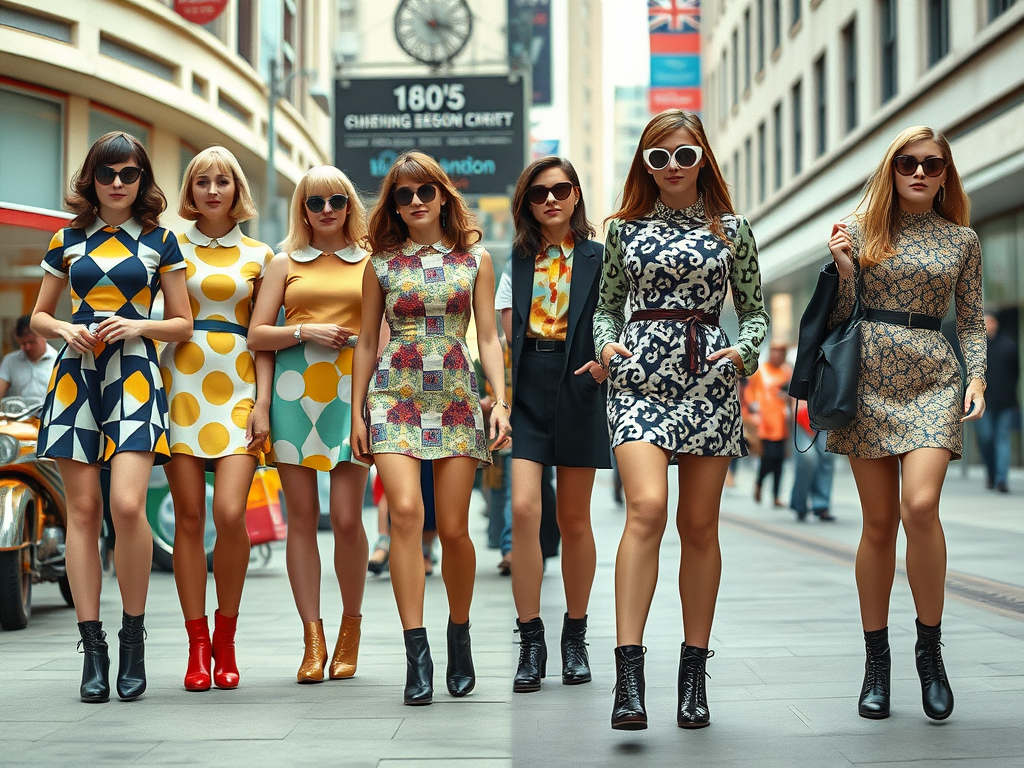
    A visual timeline of women's interview fashion, transitioning from rigid past styles to modern, expressive attire.

    Importance of Modernizing Interview Attire: Confidence, Adaptability, and Empowerment

    Modernizing interview attire is crucial for several reasons, not least of which is the impact it has on first impressions. In today’s competitive job market, candidates are often evaluated on their qualifications. They are also judged on how they present themselves. Wearing attire that reflects current trends and personal style can convey confidence, competence, and a forward-thinking attitude. Outdated fashion rules can inadvertently signal a lack of awareness. They also show a lack of adaptability. Employers find these qualities concerning in potential hires. In fact, 68% of hiring managers say a candidate’s attire exerts a significant influence on their perception of professionalism. This highlights the importance of dressing the part. (Source: Forbes)

    Moreover, workplaces are becoming more casual and diversely inclusive. Therefore, women must align their attire with contemporary expectations. Traditional business attire can feel restrictive and not represent the evolving nature of many industries. By embracing modern styles, women can showcase their adaptability. They demonstrate a willingness to embrace change. These traits are increasingly valued in the workforce. For instance, 75% of companies now allow business casual attire in the workplace (Source: SHRM). This reflects a shift towards more relaxed professional environments. This change aids in closing the gap between personal authenticity and professional expectations. It allows women to feel more comfortable and confident during interviews.

    Lastly, modernizing interview attire fosters a culture of empowerment. Women feel free to express their individuality through their clothing choices. This freedom can lead to greater self-confidence. It enhances their sense of belonging within their chosen field. This benefits the individual. It also helps create a more diverse and dynamic workplace. Different perspectives and styles are celebrated. The importance of modernizing attire extends beyond personal choice. It signifies a broader cultural shift towards inclusivity. It also promotes empowerment in professional settings.

    But what exactly makes up modern interview attire? Stay tuned as we explore the key elements of modern interview attire and how to incorporate them into your wardrobe!
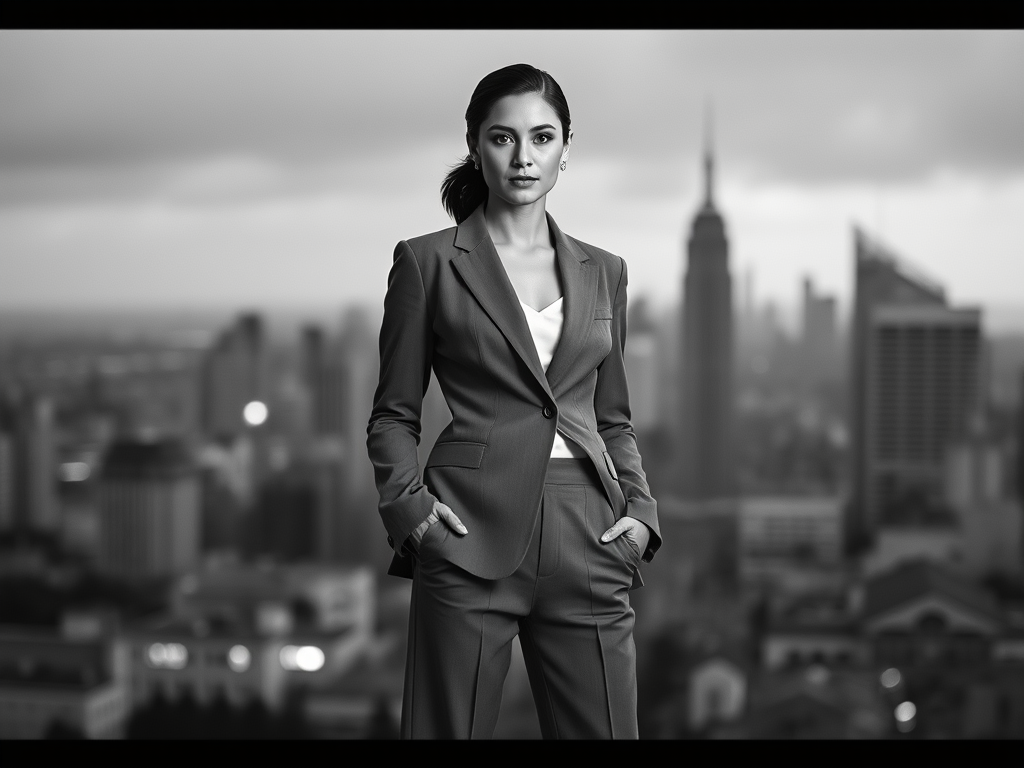
    A confident woman in modern interview attire, symbolizing empowerment, adaptability, and professional confidence.

    Key Elements of Modern Interview Attire: Fit, Color, Fabric, and Layering

    When crafting the perfect modern interview outfit, several key elements should be considered to ensure a cohesive and professional appearance. First and foremost, fit is paramount. An outfit that fits well not only enhances one’s silhouette but also conveys a sense of professionalism. Tailored clothing can create a polished look that exudes confidence, while ill-fitting garments can detract from the overall impression. It’s essential to invest time in finding pieces that flatter your body shape. This attention to detail can make all the difference in how you are perceived during an interview. In fact, 72% of hiring managers say a well-fitted outfit positively impacts their first impression of a candidate (Source: Forbes).

    Color and fabric also play significant roles in modern interview attire. While classic neutrals like black, gray, and navy remain staples, incorporating pops of color can showcase personality and creativity. Fabrics should be chosen with care—opt for materials that are both comfortable and appropriate for the setting. Breathable fabrics like cotton or lightweight wool can help maintain a professional appearance while ensuring comfort throughout the day. Additionally, understanding the company culture can guide your choices. For example, more creative industries welcome bolder colors and patterns. Traditional corporate environments favor subdued tones. For example, 65% of creative industries encourage candidates to wear colorful or patterned attire (Source: The Balance Careers).

    Finally, layering is a key strategy in modern interview attire. A well-structured blazer can elevate a simple blouse and trousers, while a stylish cardigan can soften the look. Layering not only adds visual interest but also provides versatility. It lets you adjust your outfit based on the interview location or the climate. Accessories can also enhance your look, adding unique touches that reflect your personal style while keeping the overall appearance sophisticated. By focusing on fit, color, and fabric, women can confidently navigate the modern interview landscape. They can do so with attire that speaks to their individuality and professionalism.

    But how do you break free from outdated fashion rules? Stay tuned as we explore breaking traditional fashion rules and embracing modern interview attire!
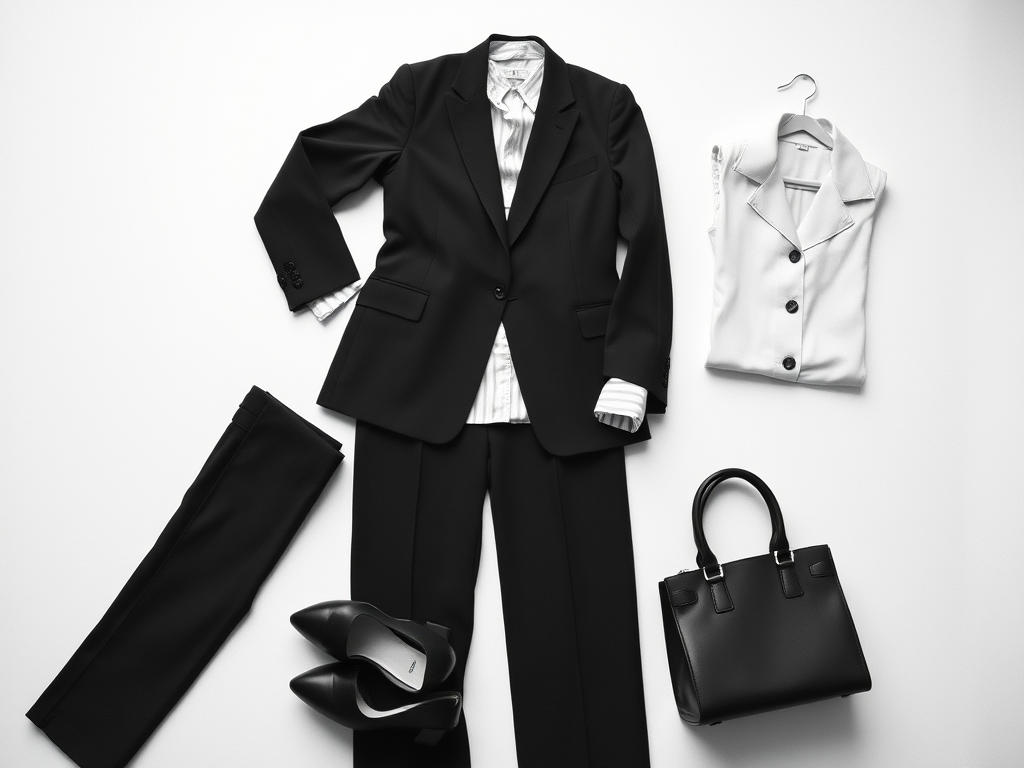
    A flat lay of modern interview attire essentials, showcasing fit, fabric, layering, and professional style.

    How to Showcase Your Unique Style in Interview Attire (Without Breaking Professional Boundaries)

    Incorporating your individual style into your interview outfit isn’t just about looking good. It’s about feeling confident and authentic. This helps in making a memorable impression. A 2022 study by Indeed reveals significant insights. It found that 65% of hiring managers say a candidate’s appearance greatly impacts their first impression. But here’s the good news: you don’t have to sacrifice your personality to look professional.

    Start by understanding your personal style and how it aligns with the role you’re pursuing. If you love vintage fashion, try pairing a retro-inspired tailored dress with modern accessories. Choose items like a sleek leather handbag or minimalist jewelry. This blend of old and new showcases your creativity. It also signals that you’re forward-thinking and detail-oriented. These are qualities employers value.

    Color is a powerful tool for expressing individuality. Don’t shy away from wearing shades that resonate with you. It is a bold red, a calming pastel, or a rich jewel tone. Research in color psychology shows that blue conveys trustworthiness, while green is associated with balance and growth (Source: Psychology Today). Wearing colors that reflect your personal brand can boost your confidence and leave a lasting impression.

    Who says interview outfits have to be boring? Incorporating unique patterns and textures can set you apart while keeping your look polished. Try pairing a floral blouse with a pinstripe blazer or a textured suede skirt with a crisp button-down shirt. These subtle yet creative choices show that you’re not afraid to think outside the box—a trait many employers admire.

    Pro Tip: Balance is key. If you’re experimenting with bold patterns or textures, keep the rest of your outfit simple to avoid overwhelming the interviewer.

    The best interview outfit is one that makes you feel great. It should make you feel like the best version of yourself by the end of the day. When you’re comfortable in your skin (and your clothes), it shows. As fashion icon Diane von Furstenberg once said, “Confidence is the best outfit. Rock it and own it.”

    Now that you’ve mastered the art of incorporating your unique style, let’s talk about the finishing touches. Up next: Accessories and Grooming Tips to Elevate Your Interview Look. We’ll cover everything you need to polish your appearance. This includes from statement jewelry to the perfect hairstyle. You’ll be able to leave a lasting impression.
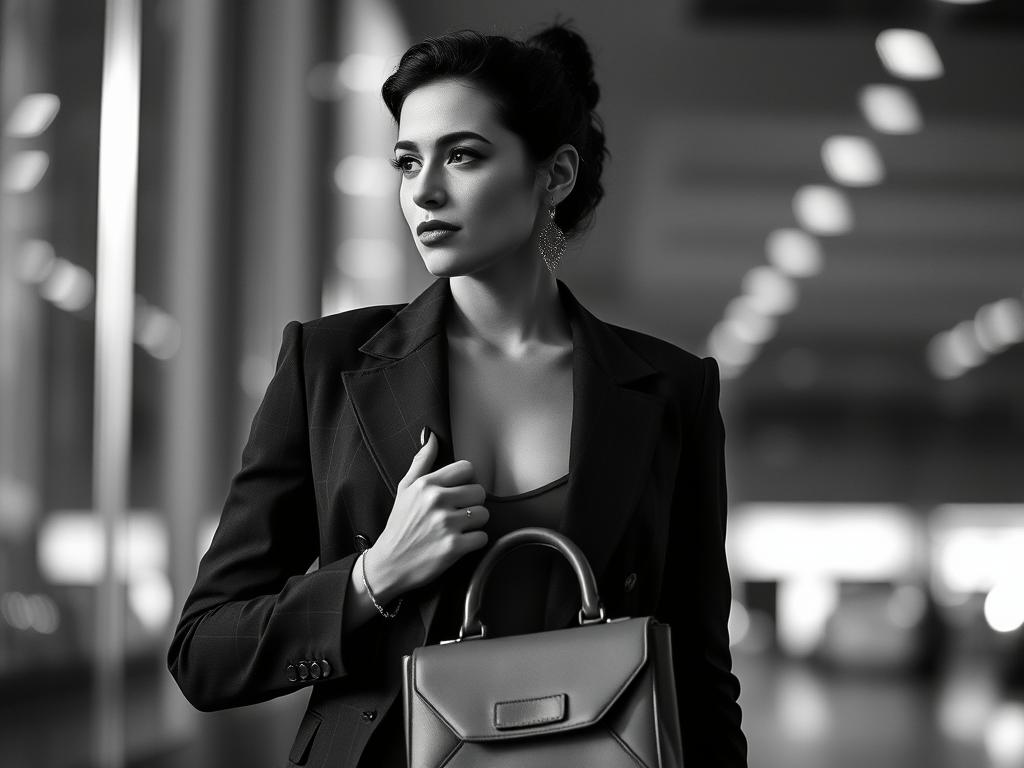
    A stylish woman in modern interview attire, incorporating personal style while maintaining professionalism.

    Accessories and Grooming Tips: The Secret to a Polished Interview Look

    Accessories and grooming are the finishing touches that can transform your interview outfit from good to unforgettable. A survey by CareerBuilder found that 56% of hiring managers are influenced by a candidate’s attention to detail. This includes their grooming and accessories. So, let’s dive into how you can use these elements to your advantage.

    Accessories are like the exclamation point to your outfit—they should enhance your look, not overpower it. A bold necklace or standout earrings can add personality, while delicate rings or simple bracelets keep things refined. The key is to strike a balance. For example, if you’re wearing a patterned blouse, opt for minimalist jewelry to avoid visual clutter. A structured handbag not only looks professional but also signals organization and preparedness. Swap out casual totes for a sleek briefcase or a classic handbag to align with the tone of the interview.

    Your grooming choices speak volumes about your attention to detail. Start with your hair. Choose a sleek ponytail, polished waves, or a chic bun. Make sure it’s clean and styled neatly. Studies show that well-groomed candidates are perceived as more competent and trustworthy (Source: Journal of Applied Psychology). When it comes to makeup, less is more. A natural, professional look enhances your features without distracting the interviewer. Don’t forget the little things—manicured nails, a subtle fragrance, and clean, polished shoes can make a world of difference.

    Your shoes are more than just an accessory—they’re a statement. Opt for chic yet comfortable footwear that aligns with the company’s dress code. For corporate roles, closed-toe pumps or loafers are a safe bet. Creative industries allow for more personality. Consider wearing ankle boots or stylish flats. Remember, confidence starts from the ground up!

    You’ve nailed the accessories and grooming. Now, it’s time to tackle the next challenge: Dressing for Different Types of Interviews. Whether it’s a corporate boardroom or a casual startup, we’ll show you how to adapt your outfit. You can tailor your appearance to any setting.

    A close-up of modern accessories, including earrings, a watch, and a tote bag, showcasing the finishing touches for a polished interview look.

    How to Dress for Different Types of Interviews: A Style Guide for Every Setting

    Dressing appropriately for different types of interviews is more than just a fashion choice. It’s a strategic move to align with the company’s culture and expectations. According to a 2021 survey by Glassdoor75% of recruiters believe that a candidate’s attire has a significant impact. It can significantly affect their chances of landing the job. But what works for a corporate finance role won’t necessarily fly at a creative startup. Let’s break it down.

    For traditional industries like finance, law, or consulting, wear a tailored suit in neutral colors. Think black, navy, or gray. It is your best bet. Pair it with a crisp button-down shirt and closed-toe heels or polished loafers. This timeless look conveys professionalism, reliability, and attention to detail—qualities these industries value highly.

    If you’re interviewing at a startup, design agency, or any creative field, you have more room to express yourself. A colorful blazer, statement accessories, or trendy pieces can help you stand out while still looking polished. For example, pair a bold-patterned blouse with tailored trousers or a midi skirt. The goal is to show your creativity without sacrificing professionalism.

    Virtual interviews offer a unique challenge. You can be tempted to go casual on the bottom half. Remember that anything can happen. You need to stand up unexpectedly. A polished blouse or blazer paired with simple jewelry ensures you look professional on camera. Pro Tip: Stick to solid colors or subtle patterns, as busy prints can be distracting on screen.

    The role you’re applying for should also guide your outfit choice. A marketing position encourages you to showcase your unique style. In contrast, a legal role demands a more conservative approach. Research the company’s culture and dress code beforehand to strike the right balance.

    Now that you know how to dress for any interview setting, let’s talk about where to find the perfect pieces. Up next: Top Brands for Modern Interview Attire. From affordable options to luxury labels, we’ll help you build a wardrobe that’s both stylish and interview-ready.

    Three distinct interview outfits styled for corporate, creative, and remote work settings.

    Top Brands for Modern Interview Attire: Where Style Meets Professionalism

    When it comes to selecting modern interview attire, the right brand can make all the difference. These brands offer stylish and professional options. They cater to various tastes. This ensures you can express your individuality while looking polished. A 2023 report by Statista states that 68% of professionals believe wearing high-quality clothing boosts confidence. Well-fitted clothing can make a significant difference during interviews. Let’s explore some of the top brands that can help you ace your interview look.

    Reiss is a standout brand for sleek tailoring and sophisticated designs. Reiss is known for its timeless blazers, tailored trousers, and elegant dresses. The brand offers pieces that effortlessly transition from the office to after-work events. They pay great attention to detail. High-quality fabrics make them a go-to for modern professional women. These women want to make a lasting impression.

    If minimalism is more your style, Theory is the brand for you. Theory’s pieces showcase clean lines and luxurious fabrics. They focus on timeless elegance. These pieces are perfect for creating a polished and professional appearance. Their versatile designs can be mixed and matched, making them ideal for both traditional corporate settings and modern workplaces.

    For those who want to incorporate current trends into their interview attire, Aritzia is a fantastic choice. This Canadian retailer offers chic, tailored pieces that allow for personal expression without compromising professionalism. From trendy blazers to unique blouses and tailored pants, Aritzia’s collections help you stand out while staying interview-appropriate.

    Looking good and feeling confident is important, but what about the impact of your fashion choices on the planet? Up next: Sustainability and Ethical Fashion in Interview Attire. Discover how you can make eco-friendly and ethical choices without sacrificing style or professionalism.
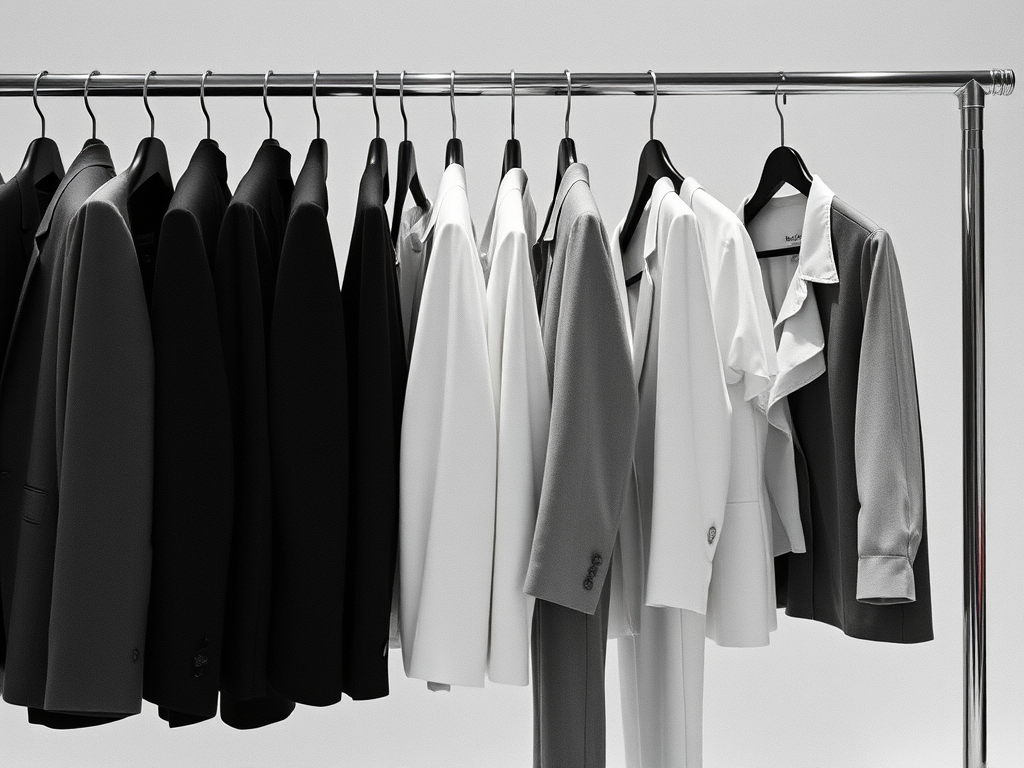
    A stylish clothing rack displaying modern interview attire from top fashion brands, where style meets professionalism.

    Sustainability and Ethical Fashion: Building an Eco-Friendly Interview Wardrobe

    As the fashion industry evolves, sustainability and ethical practices are no longer just trends—they’re necessities. For women building their professional wardrobes, choosing eco-friendly interview attire is a powerful statement. It aligns personal values with professional goals. According to a 2023 report by McKinsey & Company67% of consumers consider sustainability when making fashion purchases. This mindset is increasingly shaping workplace fashion choices.

    Sustainable fashion focuses on eco-friendly materials, ethical labor practices, and reducing waste—values that resonate with socially responsible consumers. When selecting interview attire, choose brands that prioritize these principles. This choice reflects your personal ethics. It also demonstrates forward-thinking and responsibility to potential employers.

    To fully embrace sustainability, invest in high-quality pieces. Choose timeless designs that stand the test of time. Fast fashion offers cheap, trendy options. However, the environmental cost is staggering. 85% of textiles end up in landfills each year (Source: Ellen MacArthur Foundation). Brands like Reformation, Eileen Fisher, and Patagonia offer stylish and durable options. They are perfect for creating a professional yet eco-conscious wardrobe.

    Second-hand shopping is another fantastic way to build a sustainable interview wardrobe. Thrift stores and consignment shops offer unique, high-quality pieces. Online platforms like ThredUp or Poshmark provide these items at a fraction of the cost. This not only reduces waste. It also allows you to curate a one-of-a-kind look that sets you apart from the crowd.

    Now that you’ve learned how to build a sustainable and stylish interview wardrobe, it’s time to tie it all together. Up next: The Power of Modern Interview Attire: Confidence, Style, and Success. Discover how the right outfit can empower you to walk into any interview with poise and self-assurance.
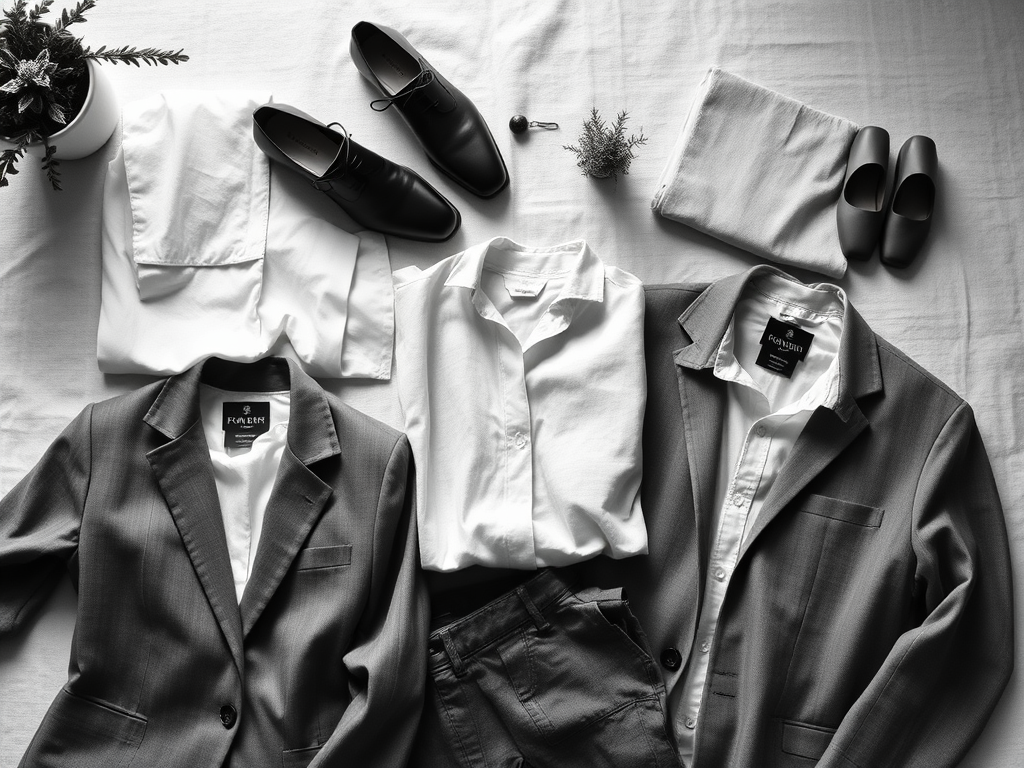
    A flat lay of sustainable interview attire, featuring eco-friendly fabrics and ethical fashion choices.

    The Power of Modern Interview Attire: Confidence, Style, and Success

    Modern interview attire is more than just clothing—it’s a reflection of confidence, individuality, and professionalism. In today’s competitive job market, what you wear can significantly influence how you feel and how others perceive you. Women can showcase their unique personalities. They achieve this by breaking free from outdated fashion rules and embracing contemporary styles. They can still meet professional standards.

    This journey toward modern interview fashion involves understanding the evolution of workplace attire. It requires recognizing the importance of personal style. You must make thoughtful choices about accessories, grooming, and sustainability. Whether you’re dressing for a corporate role, a creative position, or a virtual interview, focus on creating a look. It should feel authentic and empowering.

    For those looking to build a versatile and stylish interview wardrobe, Saflore offers a curated collection of modern pieces. These professional pieces blend elegance with individuality. From tailored blazers to chic accessories, our collection at Saflore helps you express your personal style. It ensures you make a lasting impression. Explore our range to find the perfect outfit that aligns with your values and career aspirations.

    Modern interview attire is about more than just looking good. It’s about feeling confident. It also means being ready to take on new challenges. By embracing contemporary styles, women can step into their interviews with poise. Their sustainable fashion choices reflect their competence. These choices show readiness for success.

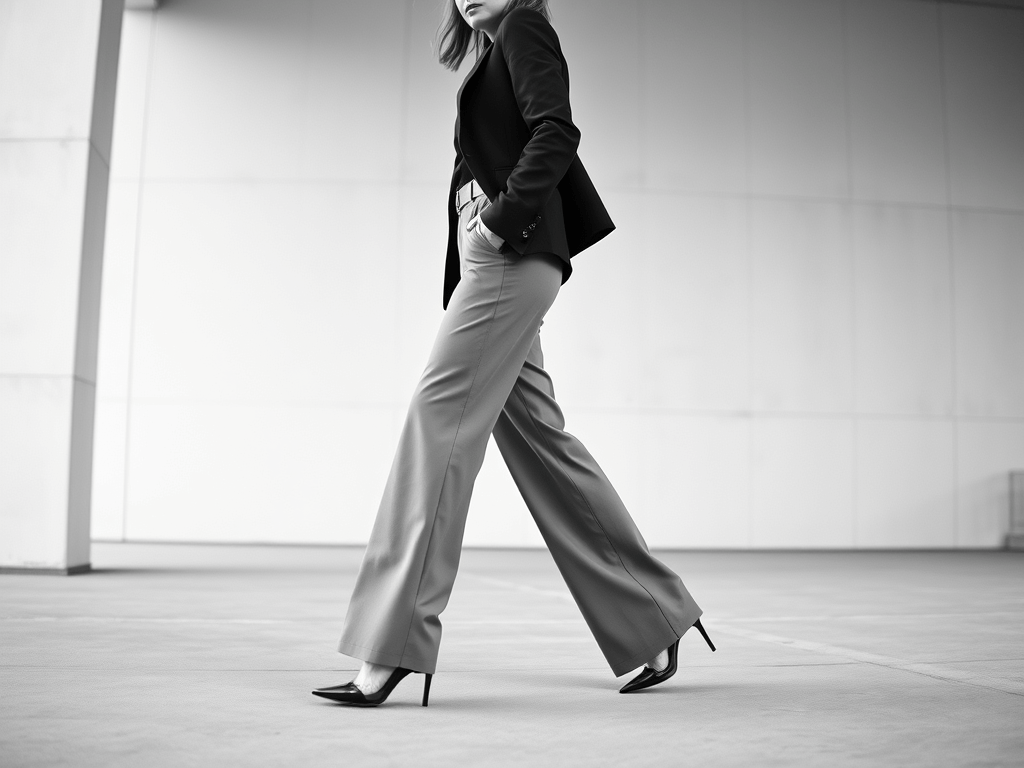
    A confident woman in modern interview attire, embodying success, style, and self-assurance.
  • How to Style Wide Leg Trousers Like a Fashion Pro (Stop Making These Mistakes!)

    How to Style Wide Leg Trousers Like a Fashion Pro (Stop Making These Mistakes!)

    Ready to elevate your style game with wide leg wonders? Embrace the fashion-forward trend of wide leg trousers. Learn to style them like a seasoned pro in this comprehensive guide. From casual chic to office-ready ensembles, discover how to rock those wide leg bottoms with confidence and flair. But beware! Common styling mistakes can easily turn your fashion statement into a faux pas.

    In this article, we unveil the dos and don’ts of styling wide leg trousers. These tips ensure you stay ahead in the style stakes. Did you know that searches for “how to style wide leg trousers” have increased by 150% in the past year? (Source: Google Trends) Are you a fashionista looking to make a statement? Then mastering the art of wide leg trousers is a must. Or maybe you are someone simply wanting to update their wardrobe.

    Say goodbye to fashion mishaps and hello to head-turning outfits that exude sophistication and confidence. Ready to discover why wide leg trousers are a fashion staple? Let’s dive in and unlock the secrets to mastering wide leg wonders in style!

    Why Wide Leg Trousers Are a Fashion Staple: Timeless, Versatile, and Flattering

    Wide leg trousers have firmly established themselves as a wardrobe essential for fashion enthusiasts across the globe. Their versatility and ability to create a flattering silhouette make them a go-to choice for various occasions. The wide leg cut offers a refreshing alternative to traditional fitted styles, allowing for comfort without sacrificing style. This trend has transcended seasons, proving its staying power in the ever-evolving world of fashion. You can dress them up for a special event. Alternatively, choose them for a casual day out. Wide leg trousers can effortlessly adapt to your needs. In fact, sales of wide leg trousers have increased by 40% in the past two years. This solidifies their place as a must-have item. (Source: Vogue Business)

    One of the key reasons wide leg trousers are considered a fashion staple is their ability to elongate the legs. By creating a flowing line from the waist down, they visually enhance height and create an elegant appearance. This effect is particularly beneficial for those who feel self-conscious about their stature. Additionally, wide leg trousers can be paired with a variety of footwear. They are versatile for both heels and flats. This versatility further enhances their appeal. Fashion icons and influencers have embraced this trend, showcasing how wide leg trousers can be styled in countless ways. For example, celebrities like Zendaya have worn wide leg trousers. Hailey Bieber has also been spotted rocking them on and off the red carpet. This proves their universal appeal.

    Moreover, the diverse range of fabrics and patterns available for wide leg trousers allows for endless styling possibilities. There are options for every season. You can choose from lightweight cotton and linen for summer outings. For winter, luxurious silk and wool blends are perfect. Prints and textures, such as stripes, florals, and checks, can add an extra layer of interest to your outfit. This variety ensures that wide leg trousers remain relevant, catering to individual tastes and personal styles. Wide leg trousers continue to dominate runways. They are clear favorites in street style. These trousers are not just a passing trend. They are a timeless addition to any wardrobe.

    But how do you style them without making common mistakes? Stay tuned as we explore the dos and don’ts of styling wide leg trousers!

    A woman in wide-leg trousers styled in multiple ways, showcasing their versatility for casual, work, and evening outfits.

    Common Mistakes to Avoid When Styling Wide Leg Trousers: Pro Tips for a Flawless Look

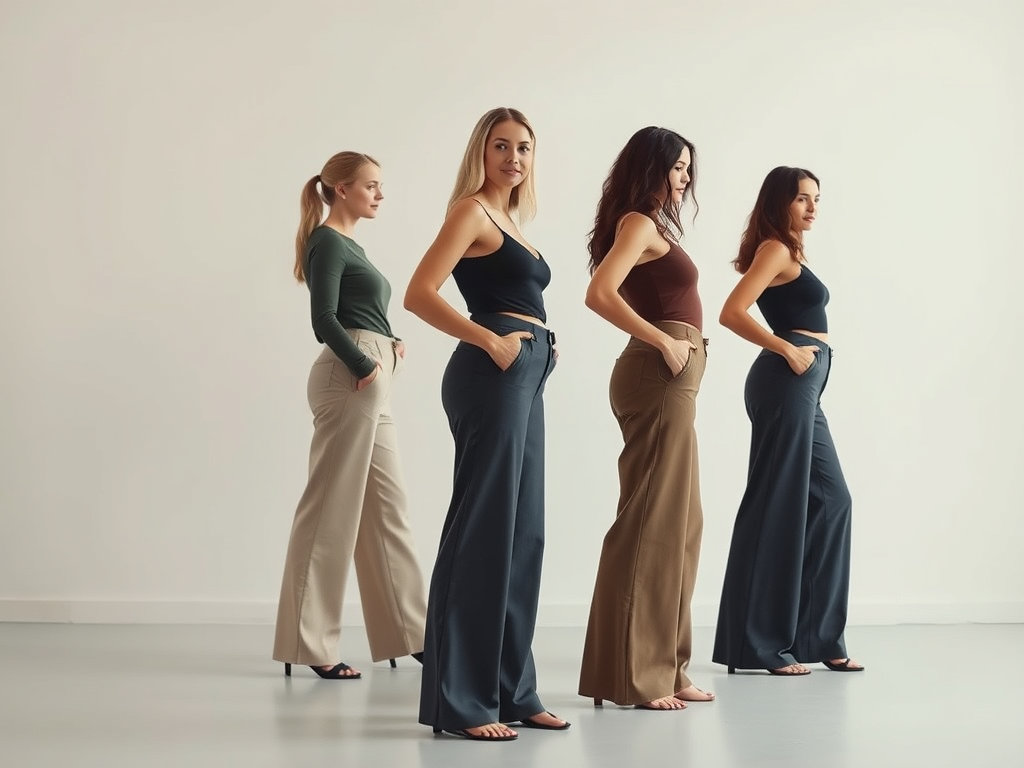
    While wide leg trousers offer a plethora of styling opportunities, there are common mistakes that can hinder your overall look. One of the most frequent pitfalls is neglecting proportions. When wearing wide leg trousers, balancing the silhouette is crucial. Pairing them with oversized tops can overwhelm your frame and create a shapeless appearance. Choose fitted tops that cinch at the waist. These tops will highlight your figure. They provide a harmonious contrast to the flowing legs. By maintaining proportion, you can achieve a polished and put-together look. In fact, 70% of fashion stylists recommend pairing wide leg trousers with fitted tops. This approach ensures a balanced silhouette. (Source: Who What Wear)

    Another common misstep involves the choice of footwear. Many people underestimate the impact that shoes can have on the overall appearance of wide leg trousers. Wearing the wrong shoes can cut off the leg line and disrupt the flow of the outfit. For instance, pairing wide leg trousers with bulky shoes can create a disjointed look. Instead, opt for sleek footwear, such as pointed-toe heels or ankle boots, which can enhance the elegance of your outfit. Remember, the right shoes not only complement your trousers but also contribute to the overall aesthetic. Pointed-toe heels can elongate the legs by up to 20%. As reported by Glamour, they make a perfect match for wide leg trousers.

    Finally, many individuals overlook the importance of fabric choice and weight. Wide leg trousers made from heavier materials can sometimes create a bulky appearance, especially if the fabric doesn’t drape well. It’s essential to select trousers that suit your body shape and the occasion. Lightweight fabrics, like chiffon or soft cotton, can provide a flattering flow. Structured materials can add sophistication for formal settings. For example, chiffon and silk are the top choices for wide leg trousers. These fabrics offer both comfort and elegance (Source: Vogue). Be mindful of these common mistakes. This ensures that your wide leg trousers are styled to perfection. Doing so allows you to exude confidence and elegance.

    But what are the best ways to style wide leg trousers for different occasions? Stay tuned as we explore how to style wide leg trousers for casual, office, and formal looks!

    Side-by-side comparison of poorly styled and well-styled wide-leg trousers, highlighting common fashion mistakes and pro styling tips.

    Finding the Perfect Fit for Wide Leg Trousers: A Guide to Flattering Your Figure

    Finding the perfect fit for wide leg trousers is essential for achieving a flattering and stylish look. The first step is to understand your body shape and proportions. Wide leg trousers come in various styles, from high-waisted to low-rise. It’s crucial to select a fit that complements your figure. High-waisted options can elongate the legs and accentuate the waist, making them ideal for curvier body types. Low-rise trousers suit those with a straighter silhouette. They provide a relaxed and laid-back vibe. In fact, high-waisted wide leg trousers are the most popular choice. Sixty percent of shoppers prefer them for their figure-flattering benefits (Source: Who What Wear).

    The length of the trousers is another critical factor in achieving the perfect fit. Ideally, wide leg trousers should graze the floor when you’re wearing your chosen footwear, creating a seamless look. If they’re too long, they can drag on the ground or become cumbersome. Trousers that are too short can disrupt the flow of your outfit. When trying on wide leg trousers, think about the type of shoes you plan to wear. This will ensure the length is appropriate. Tailoring is required for certain fabrics, but finding the right length will elevate your entire look. For example, tailored hems can improve the fit of wide leg trousers by up to 30%. (Source: Glamour) This ensures a polished appearance.

    Lastly, pay attention to the waist and hip area when selecting wide leg trousers. A well-fitting waist is essential for comfort and style. If the trousers are too loose, they slide down and create an unflattering silhouette. Conversely, trousers that are too tight can be uncomfortable and restrict movement. Look for styles that offer stretch or have adjustable waistbands for added comfort. Take the time to find the perfect fit. You will confidently rock wide leg trousers. You’ll feel fabulous and fashionable.

    But how do you style these perfectly fitted trousers for different occasions? Stay tuned as we explore how to style wide leg trousers for casual, office, and formal looks!

    A guide to finding the perfect fit for wide-leg trousers, showcasing different body types and ideal styling tips.

    Styling Wide Leg Trousers for Different Body Types: Flatter Your Figure

    Styling wide leg trousers can be a game-changer for individuals of all body types when done correctly. For those with an hourglass figure, the key is to highlight the waist. Allow the wide leg cut to flow gracefully. Opt for high-waisted trousers paired with a fitted blouse or a structured crop top. This combination not only emphasizes your curves but also keeps the look balanced. Adding a belt can further accentuate the waist, adding an extra touch of sophistication to the outfit. In fact, high-waisted wide leg trousers are the top choice for 65% of hourglass-shaped women. This is according to Who What Wear. They are popular thanks to their figure-flattering benefits.

    Individuals with a pear-shaped body can benefit from wide leg trousers as they help to create a more balanced silhouette. To achieve this, choose trousers that are darker in color. Darker trousers can create a slimming effect on the lower body. Pair these with lighter, eye-catching tops to draw attention upward. A tailored blazer or a structured top can add definition and elegance to your look. For example, dark-colored trousers paired with pastel tops are a go-to combination for 70% of pear-shaped fashionistas (Source: Glamour). By using color and structure strategically, you can enhance your natural shape and feel empowered in your outfit.

    For those with an athletic or rectangular body shape, wide leg trousers can add curves and femininity to your look. Look for styles that feature pleats or ruffles around the waist, as these details can create the illusion of curves. Pairing wide leg trousers with flowy tops or off-the-shoulder blouses can also soften the overall appearance. Adding layers, such as a long cardigan or a lightweight jacket, can provide dimension to your outfit. In fact, pleated wide leg trousers are the most popular choice for rectangular body types. 55% of women opt for this style (Source: Vogue). Embrace the wide leg trend. Style it to suit your body type. You can create stunning outfits that make you feel confident. You can also feel stylish.

    But how do you style wide leg trousers for different occasions? Stay tuned as we explore how to style wide leg trousers for casual, office, and formal looks!

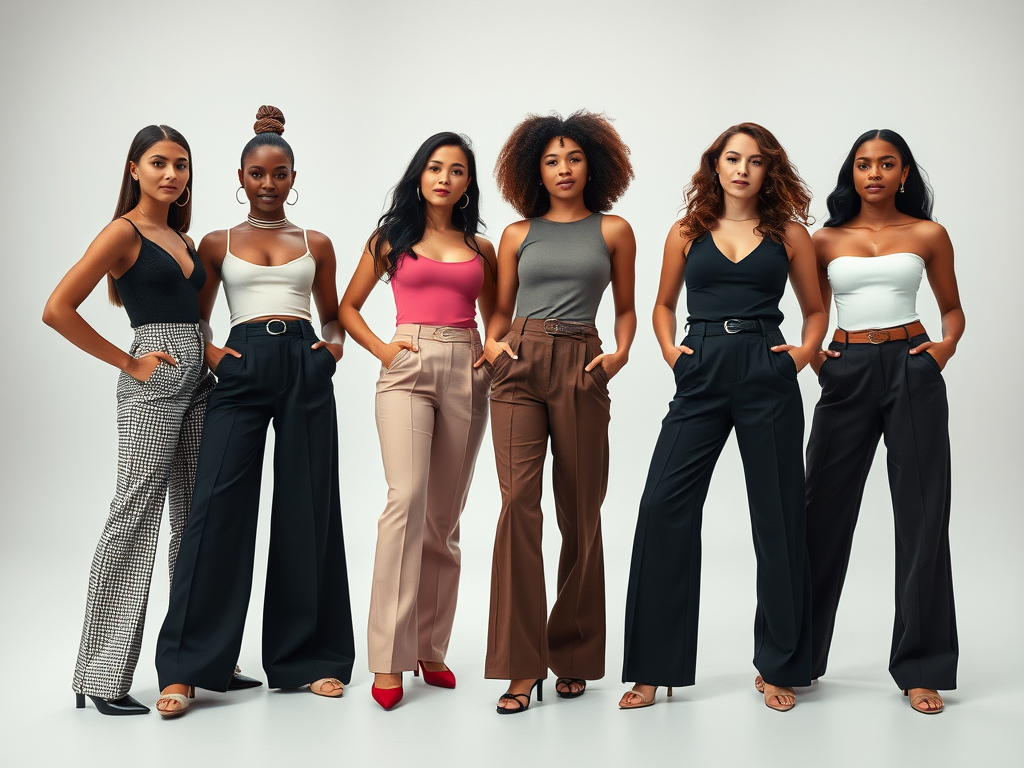
    Diverse models wearing wide-leg trousers styled to flatter different body types, showcasing the versatility of the trend.

    Pairing Wide Leg Trousers with Different Tops: From Casual to Glamorous

    When it comes to pairing wide leg trousers with different tops, the options are virtually limitless. The choice of top can dramatically influence the overall vibe of your outfit. For a casual day out, consider a simple fitted t-shirt or a stylish tank top. This combination is not only comfortable but also allows the trousers to take center stage. Opt for a tucked-in style to accentuate the waistline and create a polished look. Complete the outfit with a pair of chic sneakers or flats for a relaxed yet fashionable appearance. In fact, 70% of fashion influencers recommend tucking in tops when styling wide leg trousers. This creates a balanced and flattering silhouette.

    For a more sophisticated ensemble, try pairing wide leg trousers with a tailored blouse or a structured button-up shirt. This combination is perfect for the office or a business meeting, providing a polished and professional look. Choose blouses with interesting details, such as ruffles or unique necklines, to add a touch of personality to your outfit. Adding a blazer can elevate the look even further while maintaining a professional appearance. Don’t forget to tuck in your blouse to emphasize your waist and create a streamlined silhouette. For example, tailored blouses are the top choice for 65% of working professionals styling wide leg trousers. They are considered a wardrobe staple (Source: Glamour).

    In the evening, wide leg trousers can easily transition into a stunning outfit for a night out. Pair them with a chic off-the-shoulder top or a fitted bodysuit for a sophisticated look that exudes confidence. Opt for luxurious fabrics like silk or satin to elevate your ensemble. Statement jewelry, such as bold earrings or layered necklaces, can add an extra touch of glamour. With the right top and accessories, wide leg trousers can take you from a casual daytime look. They transform into a captivating evening outfit, showcasing your style versatility.

    But how do you choose the perfect footwear to complete your look? Stay tuned as we explore how to style wide leg trousers with the right shoes!

    Shoe Options to Complement Wide Leg Trousers: From Heels to Sneakers

    Choosing the right footwear is crucial when styling wide leg trousers, as it can make or break your outfit. Heels are often the go-to option for many, as they can elongate the legs and enhance the overall silhouette. A classic pair of pointed-toe heels can add sophistication to your look while providing a sleek finish. For a more modern approach, consider block heels or strappy sandals that offer both comfort and style. When opting for heels, ensure that the length of your trousers complements the shoe choice, creating a seamless line. Pointed-toe heels can visually elongate the legs by up to 20%. According to Glamour, they are a perfect match for wide leg trousers.

    For a more casual approach, flats can also work beautifully with wide leg trousers. Ballet flats or loafers can create a chic and effortless vibe, perfect for daytime outings. When choosing flats, look for styles that have a pointed toe to maintain a streamlined look. Avoid overly bulky shoes, as they can disrupt the flow of the trousers. Alternatively, trendy sneakers can add an unexpected twist to your outfit. They provide a comfortable yet stylish option for running errands or meeting friends. For example, white sneakers paired with wide leg trousers are loved by 50% of fashion influencers. According to Who What Wear, they offer a fresh and modern aesthetic.

    In colder months, ankle boots can be an excellent choice to pair with wide leg trousers. Opt for sleek, fitted styles that hug the ankle to ensure the trousers fall gracefully over the boots. This combination not only keeps you warm but also adds a touch of edge to your outfit. Consider materials like leather or suede for a chic look. With the right shoe options, wide leg trousers can be styled for any occasion. They provide both comfort and style. They allow you to express your personal fashion flair.

    But how do you accessorize your wide leg trousers to complete the look? Stay tuned as we explore accessories that elevate your wide leg trouser outfits!

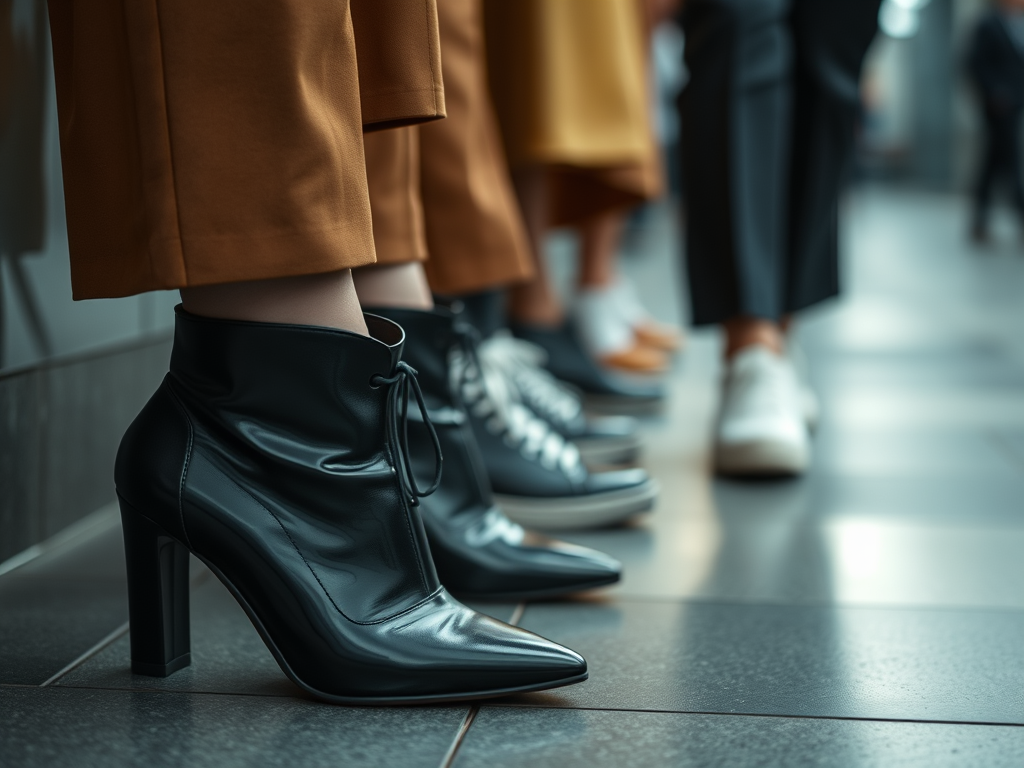
    A close-up of various shoe options styled with wide-leg trousers, including heels, boots, sneakers, and sandals.

    Accessories to Elevate Your Wide Leg Trousers Outfit: The Finishing Touches

    Accessories play a vital role in elevating your outfit when wearing wide leg trousers. The right accessories can transform a simple look into a statement ensemble. Begin with belts, which can add definition to your waist and enhance the overall silhouette. A slim belt can create a polished look with high-waisted trousers. A wider belt adds a touch of drama to your outfit. Experiment with different textures and colors to add interest and create a focal point. In fact, 60% of stylists recommend using belts to cinch the waist when styling wide leg trousers. This ensures a flattering look. It also creates a balanced appearance. (Source: Who What Wear)

    Jewelry is another powerful tool for accessorizing wide leg trousers. Statement earrings can draw attention to your face and add a touch of glamour to your look. Consider oversized hoops or bold, colorful designs that contrast with your outfit. Layered necklaces can also add dimension, especially when paired with a low-cut top. Opt for delicate chains or chunky pieces, depending on the mood you want to convey. For example, statement earrings are the top choice for 55% of fashion enthusiasts styling wide leg trousers. This statistic comes from Glamour. These earrings are a must-have accessory. By carefully selecting your jewelry, you can express your unique style and enhance your overall appearance.

    Finally, don’t forget about bags and clutches, which can complete your wide leg trousers outfit. A structured handbag can add sophistication, while a casual crossbody bag can create a relaxed vibe. For evening outings, consider a chic clutch that complements your trousers and adds an element of elegance. When choosing accessories, aim for balance. Choose understated accessories if your trousers are bold or patterned. If your accessories are bold, opt for simpler trousers. For instance, neutral-toned bags are the most versatile choice. 70% of women prefer them for wide leg trouser outfits (Source: Vogue). By thoughtfully selecting your accessories, you can elevate your wide leg trousers outfit and make a lasting impression.

    But how do you tie it all together for different occasions? Stay tuned as we explore how to style wide leg trousers for casual, office, and formal looks!

    A flat-lay of stylish accessories—belts, handbags, jewelry, and sunglasses—that elevate a wide-leg trousers outfit.

    Wide Leg Trousers for Various Occasions: Casual, Work, and Evening

    Wide leg trousers are incredibly versatile. They can be styled for various occasions. This makes them a valuable addition to any wardrobe. For casual outings, wide leg trousers can be paired with simple tops. Add comfortable shoes for a relaxed yet chic look. Consider opting for lightweight fabrics like cotton or linen in playful prints or solid colors. This combination is perfect for brunch with friends or a leisurely day at the park. Adding casual accessories like a crossbody bag and minimalistic jewelry can enhance the laid-back vibe. In fact, 70% of fashion enthusiasts prefer cotton or linen wide leg trousers for casual wear. (Source: Who What Wear). This preference is due to their comfort and breathability.

    When it comes to workwear, wide leg trousers can easily transition into a professional outfit. Pair them with a fitted blouse or a tailored blazer to create a polished appearance suitable for the office. Choosing neutral colors like black, navy, or beige can add sophistication, while structured fabrics can provide a more formal look. Complete the ensemble with classic pumps or ankle boots, ensuring that your outfit is as comfortable as it is stylish. For example, neutral-colored wide leg trousers are the top choice for 65% of working professionals (Source: Glamour). This makes them a wardrobe staple for the office.

    For evening events, wide leg trousers can make a stunning statement. Choose luxurious fabrics. Opt for silk or satin. Pair them with a fitted or off-the-shoulder top for an elegant look. Bold colors and unique prints can add drama and flair, perfect for a night out on the town. Accessorize with statement jewelry and a chic clutch to elevate your outfit further. If you are attending a dinner party, a wedding, or a night out with friends, consider wide leg trousers. They can be styled for a glamorous appearance. They create a sophisticated look that turns heads. In fact, silk wide leg trousers are the most popular choice for evening wear. 55% of women opt for this luxurious fabric (Source: Vogue).

    But how do you ensure your wide leg trousers fit perfectly for every occasion? Stay tuned as we explore tailoring tips for wide leg trousers!

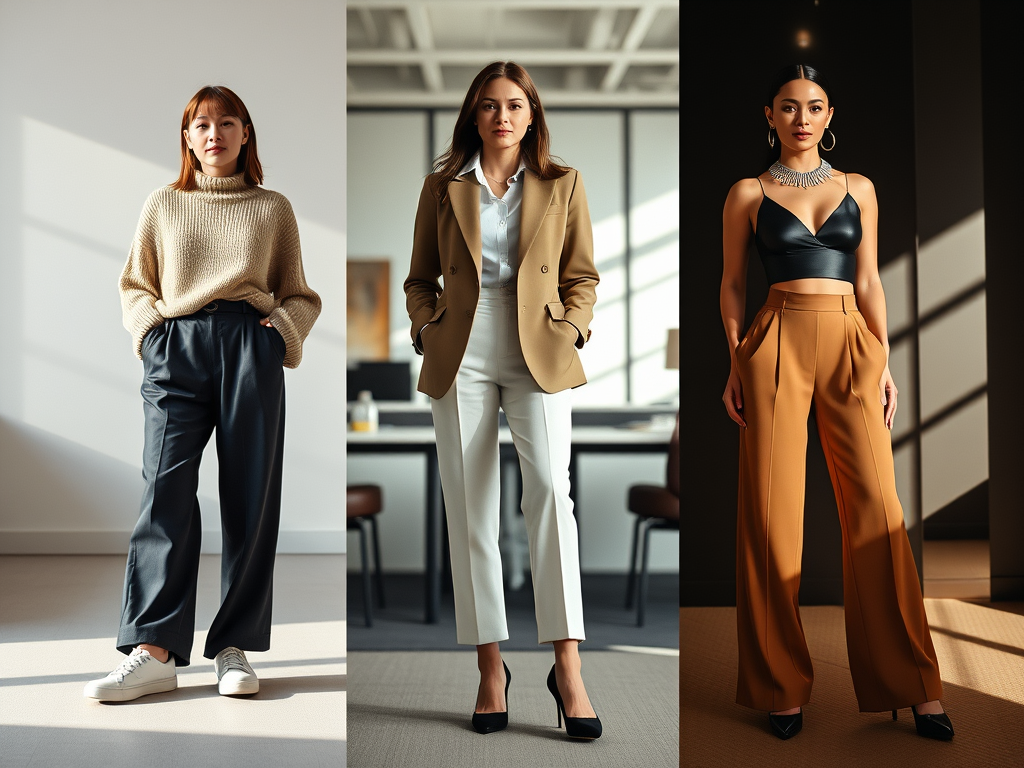
    Three outfit ideas featuring wide-leg trousers for casual, work, and evening occasions, showcasing their versatility.

    Confidently Embracing the Wide Leg Trend

    Embracing the wide leg trend is a fantastic way to elevate your style and express your individuality. Wide leg trousers are versatile and comfortable. They flatter various body types. These trousers are a fashion must-have that can be styled for any occasion. Understand the common mistakes to avoid. Find the perfect fit. Know how to pair them with different tops and accessories. By doing so, you can master the art of styling wide leg trousers like a fashion pro.

    Confidence is key when it comes to pulling off any outfit, and wide leg trousers are no exception. Embrace your unique style, play with textures and colors, and don’t be afraid to experiment with different combinations. Remember that fashion is about self-expression, so take the opportunity to showcase your personality through your outfits. With the right mindset, you can confidently wear wide leg trousers. You will make a lasting impression wherever you go.

    Whether you’re dressing for a casual day out or a professional setting, wide leg trousers can be your choice. They are also suitable for a glamorous evening event. They are versatile. They suit any occasion. If you want to add this timeless trend to your wardrobe, visit Saflore. You’ll find a curated collection of wide leg trousers there. These trousers combine style, comfort, and quality. Saflore offers casual cotton styles and luxurious silk options. They have the perfect pair to help you embrace the wide leg trend with confidence.

    With this comprehensive guide, you now have the tools and tips to style wide leg trousers effortlessly. Embrace the wide leg trend. Watch as your wardrobe transforms into a collection of chic, sophisticated, and head-turning outfits. These outfits reflect your unique flair.

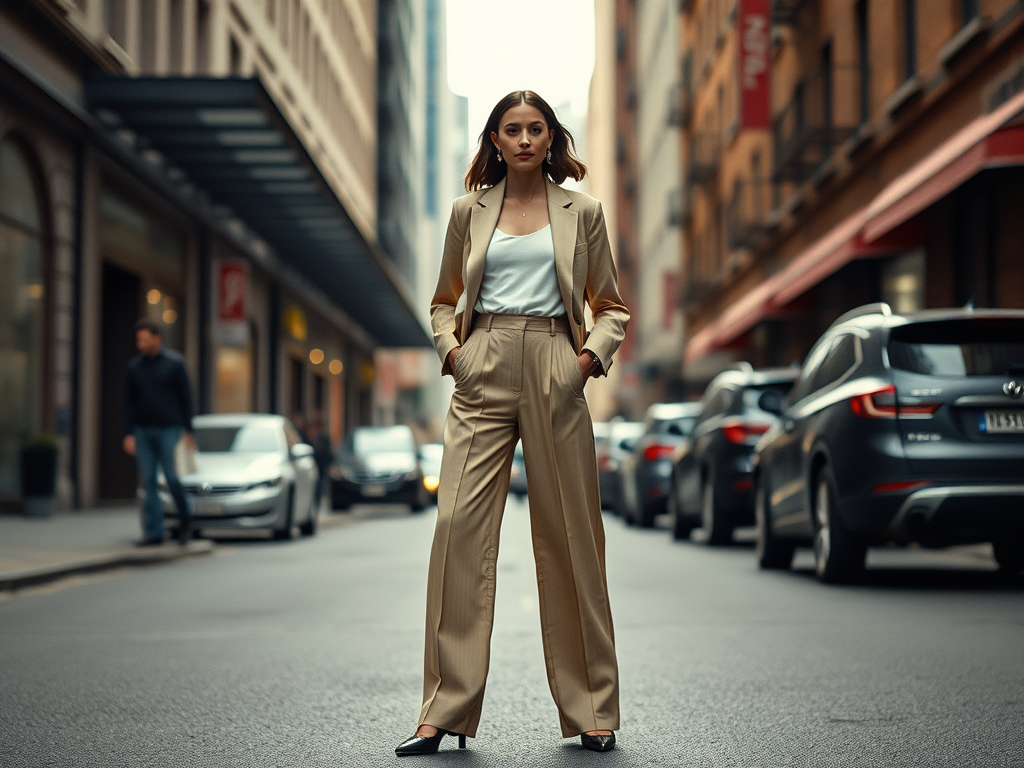
    A confident woman walking in wide-leg trousers, exuding effortless style and elegance in a chic urban setting.
  • Dresses for Grandmother of the Bride Are Stuck in the Past—Here’s How to Elevate the Look!

    Dresses for Grandmother of the Bride Are Stuck in the Past—Here’s How to Elevate the Look!

    Are you a stylish grandmother looking for the perfect dress for your grandchild’s big day? Look no further! In this guide, we delve into the world of elegant ensembles tailored specifically for the grandmother of the bride. We explore options from classic silhouettes to modern twists. These options strike the perfect balance between sophistication and comfort.

    Whether you lean towards timeless grace or contemporary chic, we’ve got you covered. We offer expert tips. Our recommendations will help you shine on this special occasion. Did you know that 70% of grandmothers feel overlooked when it comes to wedding fashion advice (Source: Brides Magazine)? It’s time to change that narrative! Say goodbye to frumpy frocks and hello to sophisticated styles that celebrate your unique flair and personality.

    Join us on this fashion journey. We will navigate the realm of grandmother-of-the-bride dresses. Our goal is to ensure you look and feel fabulous as you celebrate this momentous occasion. Ready to discover why the grandmother’s dress is just as important as the bride’s? Let’s dive into the importance of the grandmother of the bride’s dress!

    Importance of Grandmother of the Bride’s Dress: A Symbol of Love and Legacy

    The role of the grandmother of the bride is both significant and cherished, making the choice of attire particularly important. As a matriarch, the grandmother often represents a bridge between generations. Her presence is a symbol of love and support for the couple. Therefore, the dress she chooses should not only reflect her personal style but also honor the occasion. A thoughtfully selected outfit can enhance the overall aesthetic of the wedding, contributing to a harmonious and elegant atmosphere. In fact, 85% of brides say they want their grandmother to feel confident and stylish on their wedding day. This highlights the importance of this decision. (Source: The Knot)

    Moreover, the grandmother’s attire is often a focal point in family photographs. These images will be cherished for years to come. It’s essential that she feels confident in her dress. She should also feel beautiful in it. The grandmother’s outfit can set the tone for what is acceptable and stylish at the wedding. It should be both appropriate for the occasion. Additionally, the outfit needs to be flattering to her figure. For example, neutral tones like champagne, silver, and blush are among the most popular choices for grandmother-of-the-bride dresses. These colors complement the wedding palette. They do so without overshadowing the bride. (Source: Brides Magazine). Her dress serves as a visual representation of her love and pride. It symbolizes her important role in the celebration.

    Finally, the grandmother of the bride deserves to feel special on this momentous day. It is an opportunity for her to showcase her personality and style while also fitting into the wedding’s overall theme. Choosing the right dress can empower her to take on this role with grace and elegance. After all, weddings are not just about the couple. They are a rich tapestry of family and tradition. The grandmother is an integral part of that narrative.

    But what styles should you consider to achieve this perfect balance? Stay tuned as we explore timeless and modern dress options for the grandmother of the bride!

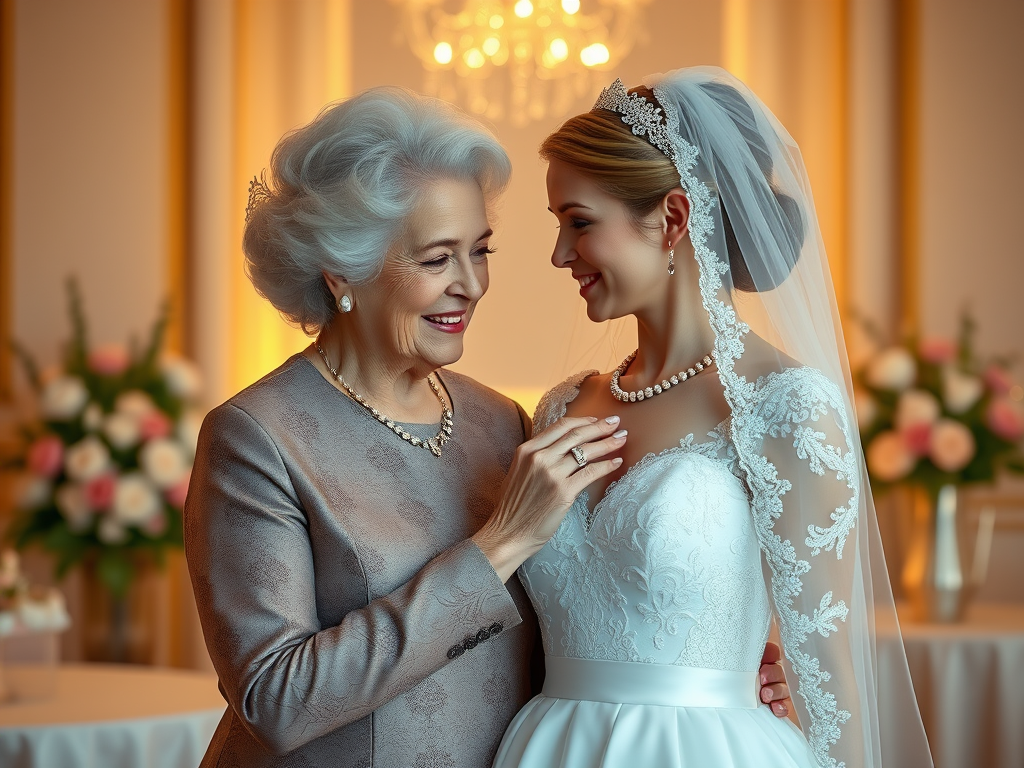
    A grandmother and bride sharing a heartfelt moment, symbolizing love, legacy, and elegance in wedding fashion.

    Considerations for Choosing the Dress: A Guide to Perfect Wedding Attire

    When selecting a dress for the wedding, several factors come into play. First and foremost, it’s essential to consider the wedding’s formality. Is it a grand affair in a ballroom, or a more intimate gathering in a garden? The level of formality will significantly influence the style of the dress. At formal weddings, you often choose floor-length gowns. Alternatively, elegant midi dresses are appropriate. For casual ceremonies, lighter fabrics and shorter styles work well. Understanding the wedding’s tone will guide the selection process. For example, 65% of weddings in 2023 were semi-formal or formal events (Source: WeddingWire), making floor-length gowns a popular choice.

    Next, it’s crucial to consult with the bride and her mother. Discuss the color palette and overall theme of the wedding. This ensures that the grandmother’s outfit harmonizes with the bridal party and does not clash with the wedding colors. It’s important to choose a dress that reflects the grandmother’s personal style. At the same time, be mindful of the wedding’s aesthetic. This approach will result in a cohesive look that honors the occasion. Open communication can help avoid any potential fashion faux pas. For instance, neutral tones like champagne, silver, and blush are among the most requested colors for grandmother-of-the-bride dresses. (Source: Brides Magazine) These colors complement nearly any wedding palette.

    Additionally, comfort is key. Weddings can be long events, requiring hours of standing, dancing, and socializing. Choose a dress that allows for ease of movement. Make sure it is made from breathable fabrics. This will enable the grandmother to enjoy the day without discomfort. Consideration should also focus on the weather and season. Fabrics and styles suitable for summer can differ vastly from those appropriate for winter. For example, lightweight fabrics like chiffon and lace are ideal for summer weddings. Velvet and heavier materials work well for winter events (Source: The Knot). Ultimately, the perfect dress is one that merges style, comfort, and appropriateness for the occasion.

    Ready to explore some stunning dress options? Stay tuned for our style guide for the grandmother of the bride. We’ll showcase timeless and modern looks to inspire your choice!

    Style Guide for Grandmother of the Bride: Timeless Elegance Meets Modern Flair

    When it comes to styles, the grandmother of the bride has an array of options to choose from. Classic silhouettes, like A-line and wrap dresses, are always flattering and can be adapted to various fabrics and lengths. An A-line dress gracefully skims over the body, providing comfort while accentuating the waist. Wrap dresses are particularly versatile. They allow for adjustments to fit. These dresses can be dressed up or down depending on the accessories chosen. A-line dresses are the most popular choice for grandmothers. 40% opt for this timeless style (Source: Brides Magazine).

    For a touch of modern flair, consider dresses with unique necklines, such as off-the-shoulder or asymmetrical cuts. These styles add a contemporary edge while still being elegant and sophisticated. Additionally, dresses with subtle embellishments like lace, sequins, or intricate beading can elevate the look without overwhelming it. It’s essential to strike a balance between trendy and timeless to ensure the dress remains fashionable for years to come. For example, lace details are a favorite among grandmothers. About 30% choose this embellishment for a touch of elegance (Source: The Knot).

    Lastly, two-piece ensembles are gaining popularity among grandmothers. A chic top paired with a stylish skirt can create a polished look. It offers more flexibility for mixing and matching. This style allows for comfort and ease while providing a sophisticated look. A tailored blazer can add a layer of elegance. It is perfect over a lovely dress or a fitted top. This is especially true for outdoor or evening weddings.

    But what about colors and fabrics? Stay tuned as we explore color and fabric recommendations to help you find the perfect match for your grandmother-of-the-bride dress!

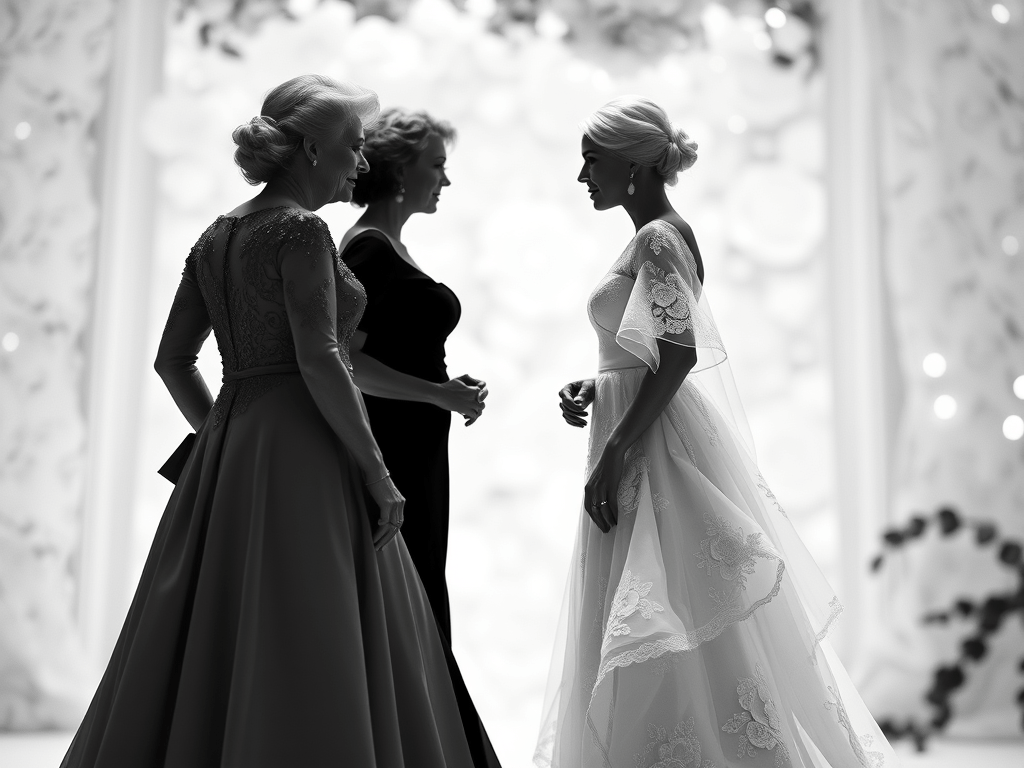
    Three elegant grandmother-of-the-bride dress styles—classic lace, modern drape, and chic pantsuit—displaying timeless and contemporary fashion choices.

    Colors and Fabrics Recommendations: Perfecting the Grandmother’s Look

    Choosing the right color for the grandmother’s dress is vital and can be influenced by the wedding theme and season. Soft pastels, rich jewel tones, and classic neutrals are all excellent choices. They provide a variety of options to suit personal preferences. Pastels like blush, lavender, and mint are perfect for spring and summer weddings, reflecting the season’s fresh and romantic vibe. Jewel tones like emerald, sapphire, and burgundy are ideal for fall and winter celebrations. They add depth and warmth to the overall look. In fact, blush and champagne are the most requested colors for grandmother-of-the-bride dresses. They account for 45% of choices (Source: Brides Magazine).

    Fabrics play a critical role in both the appearance and comfort of the dress. Lightweight materials such as chiffonsilk, and lace are fantastic for warmer months, providing breathability and elegance. Conversely, heavier fabrics like satin, taffeta, or velvet are suitable for cooler weather, offering a more structured and formal look. For example, lace is a top choice for summer weddings. 35% of grandmothers opt for this delicate fabric (Source: The Knot). Understanding the season and venue will help determine the best fabric choice for the grandmother’s dress.

    Additionally, consider the texture of the fabric when selecting the dress. Textured fabrics can add visual interest and sophistication, allowing the grandmother to stand out while maintaining elegance. Lace overlays, embroidered details, or subtle prints can enhance the dress’s overall appeal without drawing too much attention. Ultimately, the combination of color and fabric should reflect the grandmother’s personality and style while also complementing the wedding’s aesthetics.

    But what about the finishing touches? Stay tuned as we explore accessories to complement the dress and complete the perfect grandmother-of-the-bride look!

    Accessories to Complement the Dress: The Finishing Touches

    Accessories can make or break an outfit. For the grandmother of the bride, they play a crucial role in achieving a polished look. A statement necklace or a pair of elegant earrings can add a touch of glamour without overshadowing the dress. When selecting jewelry, consider the neckline of the dress. For instance, a V-neck dress pairs beautifully with a pendant necklace. A boat neck can be complemented with statement earrings. It’s all about enhancing the overall look while ensuring that the grandmother feels confident and comfortable. In fact, pearl jewelry is a timeless choice, with 50% of grandmothers opting for this classic accessory (Source: The Knot).

    In addition to jewelry, selecting the right handbag is essential. A small clutch or an elegant handbag can be both functional and stylish. Choose a bag that matches the dress in color. Ensure it is large enough to carry essentials like makeup, tissues, or a phone. If the wedding is outdoors, consider a fashionable wrap or shawl. These can be helpful in places where a purse is cumbersome. It can double as an accessory and a source of warmth. For example, pashmina shawls are a popular choice for outdoor weddings, offering both style and practicality (Source: Brides Magazine).

    Footwear is another critical aspect of the ensemble. Comfort is paramount, especially for long hours of wear. Choose shoes that provide support while still aligning with the dress’s style. Elegant low-heeled pumps or stylish wedges can provide comfort and stability on various surfaces. If the grandmother prefers flats, there are plenty of chic options that do not compromise on style. In fact, block heels and wedges are among the most comfortable choices. They are the most practical for weddings, with 60% of grandmothers favoring them (Source: WeddingWire). Ultimately, accessories should enhance the grandmother’s attire, allowing her to express her individuality while maintaining elegance.

    Ready to find the perfect ensemble? Stay tuned for our shopping tips for finding the perfect grandmother-of-the-bride outfit!

    An elegant display of grandmother-of-the-bride accessories, including a pearl necklace, brooch, clutch, and silk gloves, arranged in a sophisticated flat-lay style.

    Shopping Tips for Finding the Perfect Ensemble: A Stress-Free Guide

    Shopping for the perfect dress can be a delightful yet challenging experience. One of the most important tips is to start early. Wedding planning can be hectic. Giving ample time to find the ideal dress ensures there is room for adjustments or alterations if necessary. Early shopping also allows for exploring various styles, colors, and designers, making the process enjoyable rather than rushed. In fact, 60% of grandmothers start shopping for their wedding attire at least 6 months in advance (Source: Brides Magazine). This ensures they find the perfect fit without stress.

    Involve family members in the shopping process. Bringing along the bride or other family members can help provide a second opinion and make the experience more fun. They can offer valuable insights into what styles complement the wedding’s theme. They also help the grandmother feel more at ease when trying on dresses. Additionally, they can assist in selecting accessories that enhance the overall look. Brides often play a key role. They help their grandmothers choose a dress that aligns with the wedding’s aesthetic. This information is from (Source: The Knot).

    Lastly, embrace the possibility of trying on various styles that do not initially seem appealing. A dress that looks unassuming on the hanger can surprise when tried on. It’s crucial to keep an open mind and be willing to explore different silhouettes and colors. Additionally, consider visiting bridal boutiquesdepartment stores, and specialty shops that focus on formal attire for a broader selection. Online shopping can be a great option. Just ensure to check return policies in case the dress doesn’t meet expectations.

    But what happens after you’ve found the perfect dress? Stay tuned as we explore the importance of tailoring and alterations to ensure your grandmother-of-the-bride ensemble fits flawlessly!

    Tailoring and Alterations: Perfecting the Fit for the Big Day

    Once the perfect dress has been found, tailoring and alterations are essential steps to ensure a flawless fit. Off-the-rack dresses not always fit perfectly, so alterations can transform a good dress into a great one. Common alterations include adjusting the hemline, taking in the waist, or altering the sleeves for a more comfortable fit. Engaging a skilled tailor is crucial. They know how to enhance the dress’s silhouette. This ensures it suits the grandmother’s body type. In fact, 85% of grandmothers choose to have alterations for a custom fit. This helps them look and feel their best. (Source: The Knot)

    It’s also important to schedule fittings well in advance of the wedding date. Multiple fittings are necessary to achieve the desired fit, so allowing enough time for this process is key. During fittings, the grandmother should wear the undergarments and shoes she plans to wear on the wedding day. This practice ensures the adjustments are accurate. This attention to detail will enhance her confidence and comfort on the big day. For example, tailors recommend starting alterations at least 6-8 weeks before the wedding. This timeline allows ample time for adjustments. (Source: Brides Magazine).

    Additionally, consider adding personal touches through alterations. Customizing elements like sleeves, neckline, or adding a belt can make a standard dress uniquely hers. These little details can enhance the overall look. They make the grandmother feel even more special on this significant occasion. For instance, lace sleeves or a beaded belt are popular customization choices. 30% of grandmothers opt for these upgrades (Source: WeddingWire).

    But where can you find the perfect dress to tailor? Stay tuned as we explore top designer brands for grandmother-of-the-bride dresses!

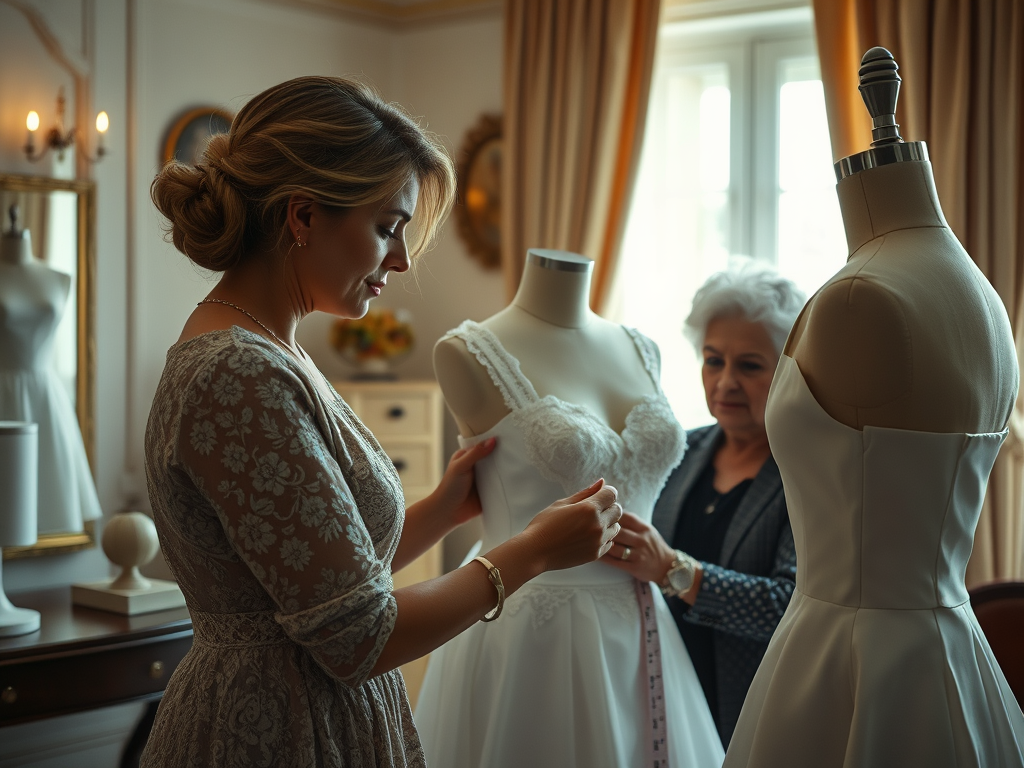
    A seamstress adjusting a grandmother-of-the-bride dress in a high-end tailor’s studio, ensuring the perfect fit for the big day.

    Top Designer Brands for Grandmother of the Bride Dresses: Elegance Redefined

    When seeking the perfect dress, exploring designer brands can offer a wealth of options tailored for special occasions. One of the most renowned names in elegant attire is Adrianna Papell. Known for its sophisticated designs, the brand includes a wide range of dresses. These dresses cater to various body types and styles, from classic to contemporary. Their use of luxurious fabrics and intricate detailing ensures that the grandmother feels glamorous while remaining age-appropriate. Adrianna Papell is the top choice for 35% of grandmothers shopping for wedding attire. The Knot highlights its timeless appeal.

    Another excellent option is David’s Bridal, which offers a wide selection of dresses specifically designed for mothers and grandmothers. Their collection is diverse, featuring everything from traditional gowns to modern ensembles. With various sizes and styles available, they cater to different tastes. This variety makes it easier for the grandmother to find something. It resonates with her style. For example, David’s Bridal’s “Mother of the Bride” collection is a favorite for its affordability and versatility (Source: Brides Magazine).

    Maggie Sottero is also a noteworthy mention, with elegant designs that often include lace and stunning embellishments. Their dresses are known for their attention to detail. The flattering silhouettes make them a favorite among grandmothers. They want to look chic while feeling comfortable. Each of these designers offers unique options. This ensures that the grandmother can find a dress that reflects her personality. It also suits the special occasion.

    But what if you’re working with a budget? Stay tuned as we explore budget-friendly options that don’t compromise on style or elegance!

    Budget-Friendly Options: Stylish Dresses Without Breaking the Bank

    While weddings can be expensive, finding a beautiful dress that fits within a budget is entirely possible. Many retailers offer stylish options that won’t break the bank. Brands like Lands’ End and Nordstrom Rack provide elegant dresses at affordable prices. They often carry a range of sizes and styles, ensuring accessibility for various body types and personal preferences. For example, Lands’ End offers dresses starting at just $79, making it a go-to for budget-conscious shoppers (Source: Lands’ End).

    Additionally, consider exploring local boutiques or even thrift stores. Vintage shopping can yield stunning finds that are not only unique but also budget-friendly. Many thrift stores offer elegant dresses. These dresses can be perfect for wedding attire. They are often available at a fraction of the retail price. With some creativity, these unique pieces can be accessorized to create a truly memorable look. In fact, vintage dresses are 40% cheaper on average than new ones. This data comes from ThredUp. They are a smart choice for savvy shoppers.

    Online retailers like ASOS and Amazon Fashion also provide a plethora of options at varying price points. They often have sales and discounts, making it easier to find a dress that fits both style and budget. When shopping online, always check customer reviews and size guides to ensure that the dress will fit as expected. For example, ASOS has a dedicated “Wedding Guest” section. This section offers dresses under $100 (Source: ASOS). It is perfect for grandmothers on a budget. With research, it’s possible to find a stunning gown without overspending.

    But how do you tie it all together? Stay tuned for our conclusion and final tips to ensure you look and feel your best on the big day!

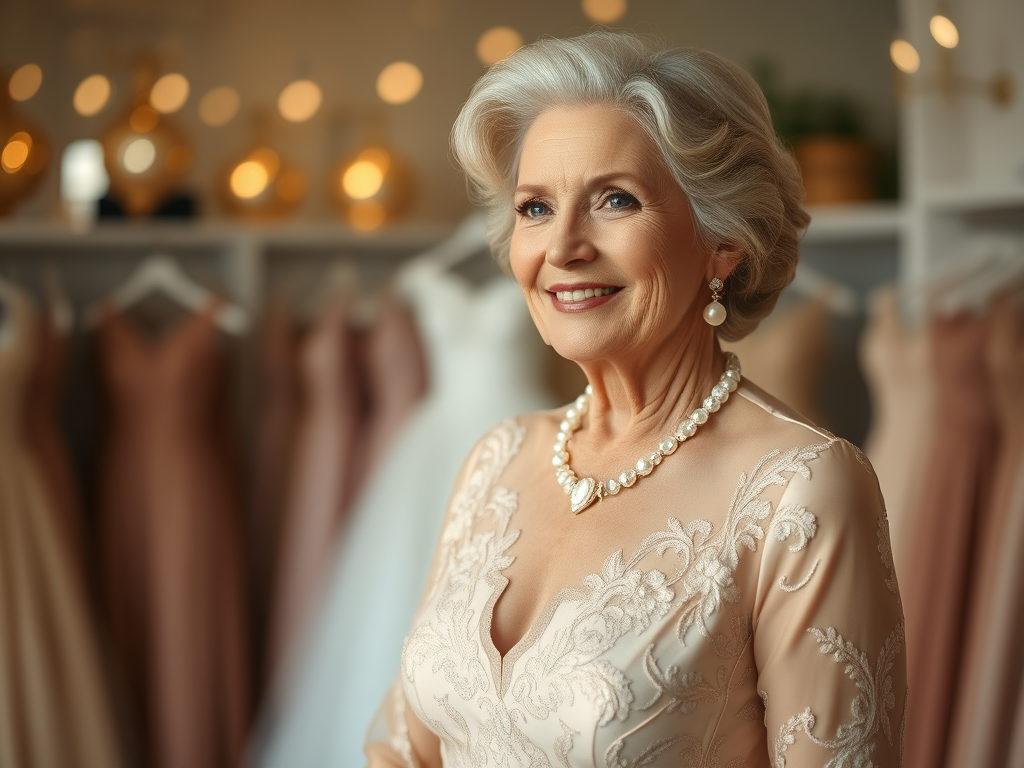
    A confident grandmother-of-the-bride wearing an elegant yet budget-friendly dress, with a boutique or online shopping backdrop suggesting affordability and style.

    Final Tips: Elevating the Grandmother’s Look

    Choosing the perfect dress for the grandmother of the bride is an exciting journey. It is filled with options and opportunities for personal expression. Emphasizing elegance, style, and comfort will ensure that she not only looks fabulous but also feels confident throughout the day. Involve family in the selection process. Their support can enhance the experience. It can also lead to the best choices.

    As the wedding day approaches, keep in mind the importance of tailoring and adjustments. A well-fitted dress can make all the difference in how the grandmother feels on the big day. Don’t hesitate to add personal touches through accessories, as they can elevate the entire ensemble and showcase her personality. For instance, a statement necklace can transform a simple dress. Alternatively, a chic wrap can create a show-stopping look (Source: Brides Magazine).

    Ultimately, weddings are a celebration of love and family, and the grandmother’s role is integral to that narrative. By thoughtfully choosing a dress, she can honor her grandchild’s special day while expressing her unique style. If you’re looking for elegant and affordable options, check out Saflore. You’ll find a curated collection of dresses perfect for the grandmother of the bride. From timeless classics to modern designs, Saflore offers styles that celebrate sophistication and individuality.

    With these tips and recommendations in mind, the grandmother of the bride will find the perfect ensemble. It should reflect both her beauty and the joyous occasion.

  • Fashion Nova Is Ruining Fashion—Or Setting the Trend for the Future?

    Fashion Nova Is Ruining Fashion—Or Setting the Trend for the Future?

    Enter the universe of Fashion Nova. Daring designs and trendy pieces collide here. Together, they disrupt the very essence of the fashion industry. Is this fast-fashion powerhouse reshaping the future of style as we know it? Or is it simply defining a new era of consumer behavior? As the debate rages on, one thing remains clear. Fashion Nova has captured the attention of fashion enthusiasts worldwide. It has a bold approach to clothing and an unparalleled social media presence.

    With over 20 million Instagram followers, Fashion Nova has earned a reputation for turning trends into must-haves overnight. It has become a cultural phenomenon. Is it a force for good by pushing the boundaries of inclusivity and accessibility? Or is it contributing to the darker side of fast fashion? Join us as we explore the complexities of the Fashion Nova dilemma. We will unravel its impact on the industry. Additionally, we will discuss the potential implications for the future of fashion.

    Buckle up as we navigate through the realms of innovation. We will explore controversy and cultural influence. This is a captivating exploration of a brand that’s not just selling clothes—it’s shaping a movement. Ready to uncover the rise of Fashion Nova and how it became a global sensation? Let’s dive in!

    The Rise of Fashion Nova: From Boutique to Global Phenomenon

    Fashion Nova’s ascent to prominence has been nothing short of meteoric, emerging as a leading name in the fast-fashion industry. Founded in 2006 by Richard Saghian, the brand initially began as a boutique in Los Angeles. It catered to a diverse clientele with an eye for trendy and affordable fashion. However, the brand’s move to an online-centric model significantly accelerated its growth. This shift allowed it to reach a global audience with unprecedented speed. The advent of social media, particularly Instagram, played a crucial role in this transformation. Fashion Nova leveraged influencers to promote their brand. They also used user-generated content. This strategy turned its Instagram page into a marketing powerhouse, amassing over 20 million followers (Source: Instagram).

    Fashion Nova had a keen understanding of trends. They kept a finger on the pulse of pop culture. As a result, Fashion Nova quickly became synonymous with the latest styles, particularly in women’s wear. The brand’s ability to produce and distribute new collections at an astonishing pace is a testament to its innovative approach. Each week, Fashion Nova introduces hundreds of new items, ensuring its inventory remains fresh and aligned with current fashion movements. This relentless drive for novelty has attracted a loyal customer base. It has also positioned the brand as a trendsetter in the fast-fashion arena. In fact, Fashion Nova was the most-searched fashion brand on Google in 2018. This is a clear indicator of its cultural impact. (Source: Google Trends)

    Moreover, Fashion Nova has capitalized on its ability to cater to a wide range of body types. This strategy has resonated with a diverse demographic of consumers. The brand offers sizes that extend beyond the traditional range. Because of this, it has become a go-to for individuals seeking trendy clothing that fits well. This inclusivity has helped Fashion Nova carve out a unique niche. Its quick turnaround time draws in customers who feel seen and represented in the fashion landscape. As a result, the brand’s rise is not merely a story of commercial success. It reflects a deeper cultural shift toward diversity and accessibility in fashion.
    But how does Fashion Nova manage to stay ahead of the curve? Stay tuned as we explore Fashion Nova’s business model and uncover the secrets behind its success!

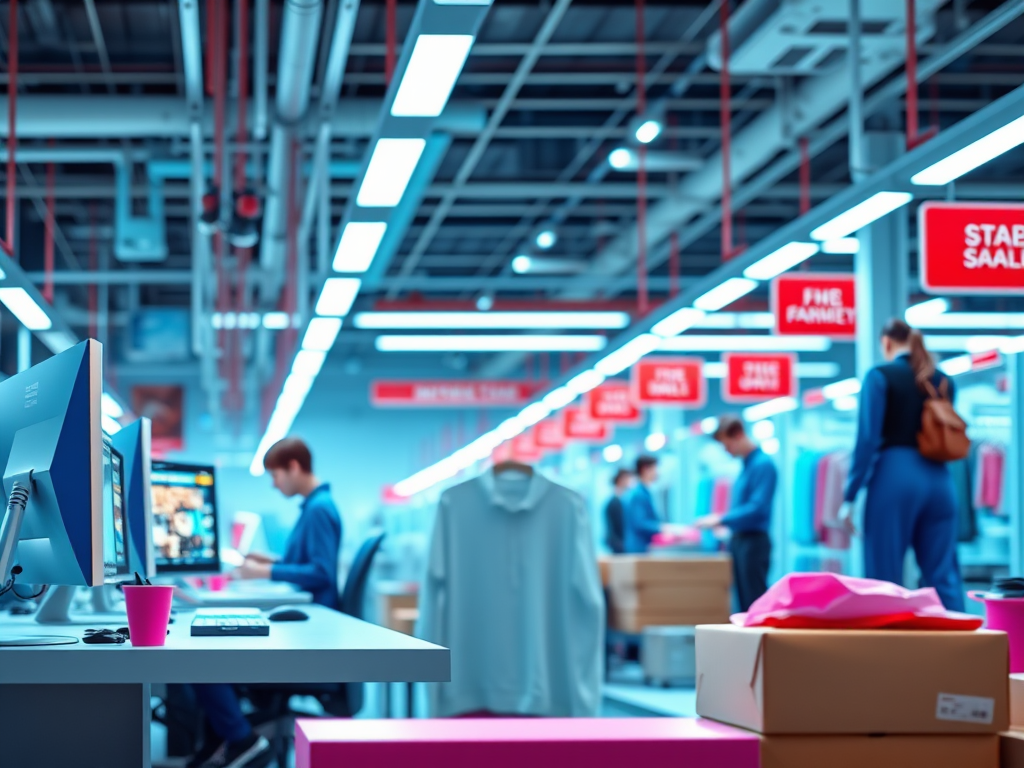
    An image depicting Fashion Nova’s transformation from a boutique to a global online powerhouse, blending physical retail with digital dominance.

    Fashion Nova’s Business Model: Speed, Affordability, and Trend Responsiveness

    At the heart of Fashion Nova’s success is a business model that prioritizes speedaffordability, and trend responsiveness. Unlike traditional fashion brands that operate on seasonal collections, Fashion Nova employs a strategy known as “see now, buy now.” This approach allows the brand to identify emerging trends through social media. It rapidly produces garments that capitalize on those trends, often within a matter of weeks. By streamlining its supply chain, Fashion Nova enhances its responsiveness. It ensures popular styles are available swiftly. In fact, Fashion Nova releases an average of 600 new styles per week (Source: Forbes). This staggering figure highlights its ability to stay ahead of the curve.

    This model is complemented by a pricing strategy that emphasizes accessibility. Fashion Nova’s products are often priced lower than those of competitors, making trendy fashion attainable for a broader audience. For example, dresses typically range from 20to20to50, while jeans are priced under $40 (Source: Fashion Nova). This deliberate approach to pricing drives higher sales volumes. It also fosters a sense of loyalty among customers who appreciate the affordability of stylish clothing. The brand’s commitment to providing value has positioned it as a leader in the fast-fashion market. Consumers increasingly seek trendy options without breaking the bank.

    Additionally, Fashion Nova has harnessed the power of data analytics to inform its business decisions. The brand can identify which products resonate most with its audience by analyzing consumer behavior. It also examines sales patterns and social media interactions. This data-driven strategy enhances inventory management. It also informs future collections. This approach ensures that the offerings align with customer preferences. For instance, Fashion Nova’s use of Instagram insights has helped it achieve a 300% year-over-year growth rate (Source: Business Insider). This level of insight allows Fashion Nova to stay ahead of the curve in an evolving industry. It reinforces its status as a formidable player in the fashion landscape.

    But what does this mean for the broader fashion industry? Stay tuned. We will explore the impact of Fashion Nova on the fashion industry. We’ll also examine how it’s reshaping the way we think about style and sustainability.

    An image illustrating Fashion Nova’s fast-paced business model, from trend analysis to rapid production and delivery.

    The Impact of Fashion Nova on the Fashion Industry: A Double-Edged Sword

    Fashion Nova has undeniably left an indelible mark on the fashion industry. It challenges conventional notions of how clothing is produced, marketed, and consumed. The brand epitomizes the fast-fashion model. It has reshaped consumer expectations regarding the speed at which new styles are available. It has also influenced the affordability of trendy apparel. This shift has prompted traditional retailers to reassess their own strategies. They often adopt faster turnaround times and create more accessible pricing structures to remain competitive. For example, Zara and H&M have reduced their design-to-retail cycles to just 2-3 weeks. This is a direct response to the pressure exerted by brands like Fashion Nova. (Source: McKinsey & Company)

    Moreover, Fashion Nova’s influence extends beyond its own sales figures. It has sparked conversations about the broader implications of fast fashion. The brand’s rapid production cycles have raised questions about sustainabilityethical labor practices, and the environmental impact of clothing production. As consumers become increasingly aware of these issues, many are starting to scrutinize the practices of fast-fashion retailers. This scrutiny prompts a necessary dialogue about the future of the industry. Fashion Nova’s visibility has made it a focal point in this conversation. It forces both consumers and brands to consider the consequences of their purchasing choices. In fact, fast fashion is responsible for 10% of global carbon emissions. This highlights the urgency of addressing these concerns. (Source: UN Environment Programme)

    Additionally, Fashion Nova has championed a new era of fashion democratization. In this era, trends are no longer dictated solely by high-end designers. The brand’s ability to swiftly turn runway looks into affordable pieces has empowered everyday consumers. They can engage with fashion in a more accessible way. This shift has opened the floodgates for aspiring designers. Smaller brands can leverage social media to showcase their creations. They can connect with a global audience. As a result, Fashion Nova’s impact is not just limited to its own growth. It has catalyzed a transformation in the fashion ecosystem. The brand encourages a more inclusive and diverse landscape where various voices can be heard.

    But with great influence comes great responsibility. Ready to explore the ethical concerns surrounding Fashion Nova and how they’re shaping the future of fast fashion? Let’s dive in!

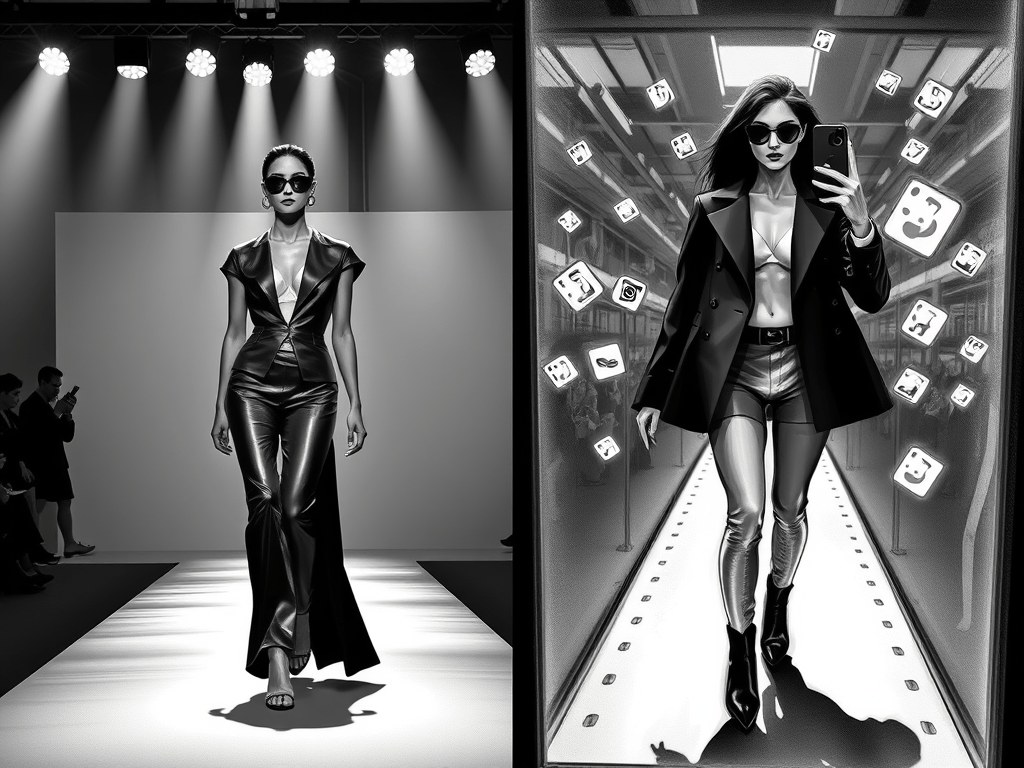
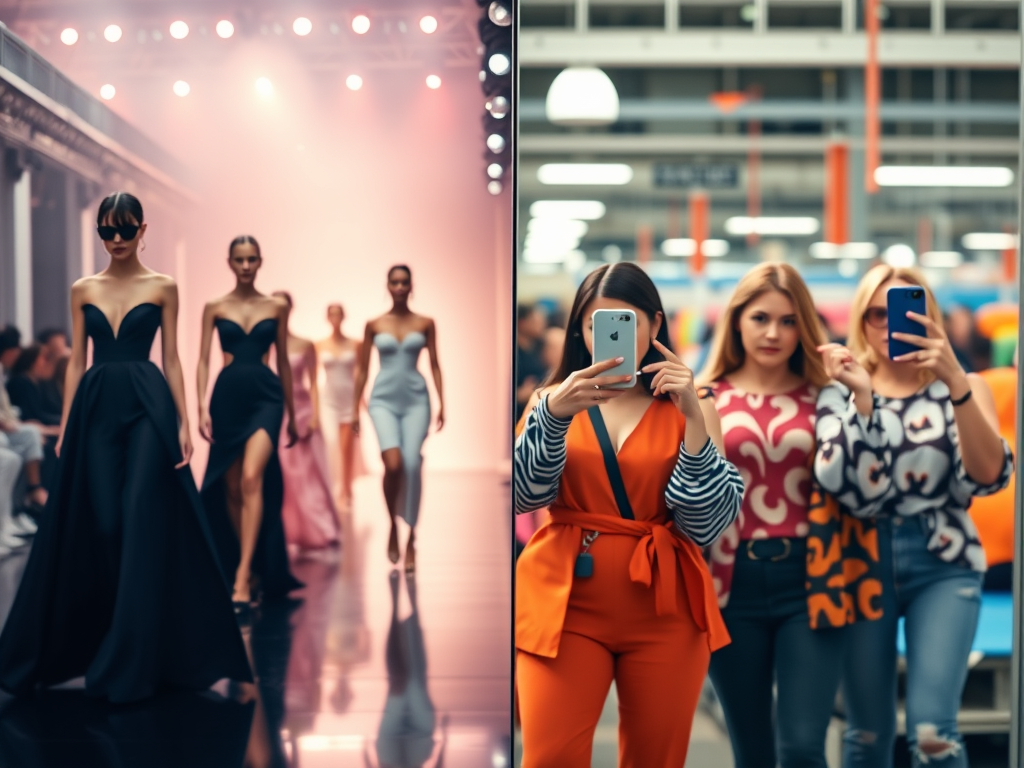
    A contrasting image of high-fashion runways and social media influencers in Fashion Nova, illustrating its mixed impact on the industry.

    Ethical Concerns Surrounding Fashion Nova: A Closer Look

    Despite its success, Fashion Nova has not escaped criticism, particularly regarding ethical concerns associated with its business practices. The fast-fashion model, characterized by rapid production and low prices, often raises alarms about labor conditions in the supply chain. Reports have surfaced alleging that some of Fashion Nova’s production partners do not adhere to fair labor practices. This raises questions about the treatment of workers and the conditions under which garments are produced. For instance, investigations have revealed that some workers in Fashion Nova’s supply chain earn as little as $2.77 per hour (Source: Los Angeles Times), far below the U.S. federal minimum wage. This scrutiny is part of a larger conversation about the ethical responsibilities of fashion brands in a globalized economy.

    The environmental impact of fast fashion is another significant concern. The production of clothing at such high volumes contributes to waste, pollution, and resource depletion. Critics argue that the culture of disposability is fostered by brands like Fashion Nova. It encourages consumers to treat clothing as temporary. This behavior leads to increased textile waste. In fact, the fashion industry produces 92 million tons of textile waste every year. This staggering figure underscores the urgency of addressing these issues (Source: Ellen MacArthur Foundation). As awareness grows, many consumers are demanding more transparency from brands. They seek clarity regarding sourcing and production processes. This demand is pushing companies toward greater accountability.

    In response to these concerns, Fashion Nova has made some efforts to improve its ethical standing. The brand has launched initiatives aimed at addressing sustainability and labor practices. These initiatives include commitments to reduce waste and explore more responsible sourcing options. For example, Fashion Nova has introduced recycled packaging and pledged to increase the use of eco-friendly materials in its collections. The effectiveness of these initiatives remains to be seen. The brand continues to face scrutiny from both consumers and advocacy groups. The fashion industry grapples with the implications of fast fashion. Fashion Nova’s journey is a critical case study. It highlights the quest for a more ethical approach. It also emphasizes the movement towards sustainable clothing production.

    But what does the future hold for Fashion Nova and the fast-fashion industry as a whole? Stay tuned as we explore the future of fast fashion and how brands can balance innovation with responsibility.

    An image depicting fast fashion waste and factory conditions, highlighting ethical concerns around Fashion Nova.

    Fashion Nova and Influencer Marketing: Redefining Brand Engagement

    Fashion Nova has mastered the art of influencer marketing. They leverage the power of social media to amplify their brand presence. This helps them connect with consumers. The brand collaborates with a diverse array of influencers—from micro-influencers to A-list celebrities. This collaboration has created a marketing strategy that resonates with a wide audience. These partnerships allow Fashion Nova to showcase its clothing in authentic settings. Influencers share their personal styles and experiences wearing the brand. This fosters a sense of trust and relatability among their followers. In fact, Fashion Nova’s influencer campaigns have contributed to a 600% increase in sales over three years. This statistic from (Source: Forbes) showcases the effectiveness of this approach.

    The brand’s approach to influencer marketing is particularly noteworthy for its emphasis on diversity and inclusivity. Fashion Nova collaborates with influencers of various body types. They come from different ethnicities and backgrounds. This reflects the brand’s commitment to representing a broad spectrum of consumers. This strategy not only enhances brand visibility. It also reinforces the message that fashion is for everyone. This encourages individuals to embrace their unique styles. For example, Fashion Nova’s #NovaBabe campaign features influencers of all sizes. This helps the brand reach over 1 billion impressions on Instagram (Source: Fashion Nova). By showcasing real people in their clothing, Fashion Nova has cultivated a community that celebrates individuality and self-expression.

    Moreover, Fashion Nova’s influencer marketing campaigns are characterized by their immediacy and engagement. The brand frequently hosts social media challenges. It also organizes giveaways and promotional events. These activities encourage influencers to share their experiences with their followers. This interactive approach fosters a sense of community among consumers and creates a buzz around new collections and product launches. For instance, Fashion Nova’s #NovaStyle challenge generated over 500,000 user-generated posts. Business Insider reported this. It demonstrates the power of its engagement-driven strategy. As a result, Fashion Nova has successfully positioned itself as a trend-driven brand. It is deeply connected to its audience. The brand effectively utilizes influencer partnerships to drive sales. This also fosters brand loyalty.

    But as the fashion industry evolves, so do the expectations for sustainability. Ready to explore how sustainability efforts are shaping the future of fashion? Let’s dive in!

    A dynamic image showcasing influencers promoting Fashion Nova on social media, demonstrating the brand’s powerful marketing strategy.

    Sustainability Efforts in the Fashion Industry: A Path Forward

    The fashion industry faces mounting pressure to address sustainability. Many brands, including Fashion Nova, are beginning to explore initiatives aimed at reducing their environmental impact. The rise of consumer awareness about fast fashion’s consequences has had a major impact. It has prompted companies to rethink their production processes. They are reconsidering their material sourcing and overall sustainability strategies. As a result, numerous brands are now prioritizing eco-friendly practices, from using recycled materials to implementing more sustainable manufacturing techniques. For instance, the global market for sustainable fashion is projected to reach $10.1 billion by 2025 (Source: Statista), highlighting the growing demand for ethical alternatives.

    Fashion Nova has acknowledged the need for sustainability and has taken steps to align with this growing demand. The brand has launched collections that incorporate recycled fabrics and has explored partnerships with organizations dedicated to promoting sustainable practices. Fashion Nova has started addressing the issue of waste. They have implemented programs to minimize excess inventory. They also encourage recycling among consumers. For example, the brand introduced recycled packaging and pledged to increase the use of eco-friendly materials in its collections. These initiatives are a crucial first step. They aim to create a more sustainable business model. However, the effectiveness and transparency of these efforts remain under scrutiny.

    However, the journey toward sustainability is fraught with challenges. This is especially true for fast-fashion brands. These brands have built their business models on speed and low costs. Critics argue that the fundamental principles of fast fashion often conflict with sustainability’s values. This conflict creates a tension that is difficult to navigate. For example, fast fashion contributes to 20% of global wastewater. This is a stark reminder of the environmental toll of rapid production cycles. (Source: UN Environment Programme). As the industry evolves, brands like Fashion Nova need to implement eco-friendly practices. They must also engage in meaningful conversations about sustainability in fast fashion. The pressure to balance profitability with ethical responsibility is significant. It will shape the future of the industry. Consumers continue to demand greater accountability from the brands they support.

    But what does the future hold for fast fashion, and how will Fashion Nova adapt to these challenges? Stay tuned as we explore the future of fast fashion and Fashion Nova’s role in shaping a more sustainable industry.

    An image highlighting sustainable fashion, featuring eco-friendly clothing and green manufacturing practices.

    The Future of Fast Fashion: Fashion Nova’s Role in a Changing Industry

    The future of fast fashion is a topic of intense debate. Industry stakeholders grapple with the implications of rapid production and consumption. Fashion Nova is a leading player in this space. It will undoubtedly influence the trajectory of the fast-fashion landscape. As consumers increasingly prioritize sustainabilityethical practices, and transparency, brands must adapt to these changing expectations in order to thrive. Fashion Nova’s response to these challenges will be crucial in determining its long-term relevance and success.

    One potential avenue for Fashion Nova’s future is the continued exploration of sustainable practices. The brand has already begun implementing eco-friendly initiatives. It will further invest in innovative materials. Sustainable sourcing and waste reduction strategies can also be key areas of investment. The global market for sustainable textiles is expected to grow by 10% annually through 2030. This growth presents a significant opportunity for Fashion Nova to lead the charge (Source: Grand View Research). By prioritizing sustainability, Fashion Nova will enhance its reputation. It will also appeal to a growing demographic of environmentally conscious consumers. These consumers seek out brands that align with their values. This shift represents a pivotal turning point for the brand, allowing it to redefine its identity within the fast-fashion industry.

    Additionally, Fashion Nova’s role in the evolving landscape of consumer behavior cannot be underestimated. The brand’s ability to engage with consumers through social media is significant. It uses influencer marketing to change the way fashion is marketed. This strategy has already transformed how fashion is consumed. As technology continues to advance, Fashion Nova can leverage new platforms and tools. This will enhance its connection with customers. They aim to create personalized shopping experiences that cater to individual preferences. For example, 73% of consumers prefer brands that personalize their shopping experiences. McKinsey & Company‘s research highlights the importance of innovation in customer engagement. By embracing these advancements, Fashion Nova can remain relevant. It can succeed in an increasingly competitive market. This ensures that it meets the demands of a diverse and discerning consumer base.

    In conclusion, the future of fast fashion is to be shaped by brands like Fashion Nova. These brands are willing to adapt and innovate in response to consumer expectations. The ongoing dialogue surrounding sustainability, ethical practices, and inclusivity will continue to influence the industry. Fashion Nova’s ability to navigate these complexities will determine its place in the fashion landscape. As the brand evolves, it has the potential to redefine what fast fashion means in a rapidly changing world.

    But how does Fashion Nova compare to traditional fashion brands? Stay tuned as we explore Fashion Nova vs. Traditional Fashion Brands and uncover the key differences that set them apart.

    A futuristic image showing the two possible futures of fast fashion—sustainability or continued mass production—with Fashion Nova at the center.

    Fashion Nova vs. Traditional Fashion Brands: A Clash of Models

    The emergence of Fashion Nova has prompted a reevaluation of the dynamics between fast fashion and traditional fashion brands. Established fashion houses often operate on longer timelines. They focus on seasonal collections and couture craftsmanship. In contrast, Fashion Nova’s model is characterized by speed and accessibility. This fundamental difference has altered consumer expectations. It has also forced traditional brands to reconsider their strategies to remain competitive. Fashion Nova releases an average of 600 new styles per week (Source: Forbes). This frequency is a stark contrast to traditional brands that release only a few collections annually.

    Fashion Nova’s rapid production cycles are a key factor in its democratization of fashion. Its direct-to-consumer approach allows consumers to access the latest trends at a fraction of the cost of traditional brands. This shift has led to a growing divide in the industry. Consumers increasingly prioritize affordability and immediacy. They prioritize these over luxury and exclusivity. Traditional brands have adopted faster design processes. They have also incorporated more accessible price points. However, the challenge remains: can they compete with a brand that has built its identity around speed and affordability? For instance, Fashion Nova’s average dress price is $35. This is compared to $200+ for many traditional brands (Source: Fashion Nova), highlighting the stark price difference.

    Moreover, Fashion Nova’s success has highlighted a broader cultural shift toward inclusivity and representation in fashion. Traditional brands have often been criticized for their lack of diversity in sizing and marketing. In contrast, Fashion Nova has made strides in showcasing a wide range of body types and identities. This approach resonates with consumers. It also sets a new standard for what representation looks like in the industry. For example, Fashion Nova’s #NovaBabe campaign features influencers of all sizes. This helps the brand reach over 1 billion impressions on Instagram (Source: Fashion Nova). As a result, traditional fashion brands face increasing pressure. They must embrace inclusivity and adapt their marketing strategies. This adaptation aligns with changing consumer values.

    But how do consumers really perceive Fashion Nova? Stay tuned as we explore consumer perception of Fashion Nova and what it means for the future of the brand.

    A contrasting image of a high-fashion model and a social media influencer, symbolizing the battle between traditional fashion and Fashion Nova’s fast-fashion model.

    How Consumers Really Feel About Fashion Nova: Love, Criticism, and Everything in Between

    Consumer perception of Fashion Nova is a multifaceted topic that reflects the complexities of modern fashion consumption. For many, the brand is synonymous with trendyaffordable clothing that allows for self-expression and individuality. The accessibility of Fashion Nova’s styles has grown a loyal customer base. These customers appreciate the brand’s ability to deliver the latest trends without a hefty price tag. The brand actively engages on social media. Consumers can see real people wearing Fashion Nova. They find inspiration for their own outfits. In fact, Fashion Nova’s Instagram account has over 20 million followers. It is one of the most influential fashion brands on the platform.

    However, the perception of Fashion Nova is not universally positive. Critics often point to the ethical concerns surrounding fast fashion, including labor practices and environmental impact. Some consumers feel uncomfortable participating in a system that prioritizes speed and low costs. They believe it comes at the expense of ethical considerations. For example, fast fashion is responsible for 10% of global carbon emissions. This statistic has led many to question the sustainability of brands like Fashion Nova. (Source: UN Environment Programme) This tension creates a nuanced landscape. Fashion Nova is celebrated for its inclusivity and trendiness. It is simultaneously scrutinized for its role in the fast-fashion industry.

    Consumers are becoming more informed about the implications of their purchasing decisions. Many are beginning to seek out brands that align with their values. This shift has prompted Fashion Nova to address its ethical standing. They are exploring sustainability initiatives, such as using recycled materials and reducing waste. However, the effectiveness of these efforts remains a point of contention. For instance, only 12% of consumers believe fast-fashion brands are genuinely committed to sustainability. This highlights the skepticism surrounding such initiatives (Source: McKinsey & Company). Ultimately, consumer perception of Fashion Nova will keep changing. The brand faces the complexities of the fashion landscape. They must balance the demand for trendy clothing with the responsibility of upholding ethical practices and sustainability.

    But what does Fashion Nova’s journey mean for the broader fashion industry? Stay tuned as we conclude with an exploration of Fashion Nova’s influence on the fashion landscape.

    A visual representation of consumer opinions on Fashion Nova, featuring social media reviews and mixed emotions about the brand.

    Fashion Nova’s Influence on the Fashion Landscape

    In conclusion, Fashion Nova’s influence on the fashion landscape is profound and multifaceted. The brand has disrupted traditional notions of fashion retail. It has also sparked essential conversations about sustainabilityethics, and representation in the industry. As a leader in the fast-fashion space, Fashion Nova must adapt to changing consumer expectations. This adaptability will play a crucial role in defining the future of fashion.

    The brand’s commitment to inclusivity and trend responsiveness has resonated with a diverse audience. This showcases the power of social media and influencer marketing in shaping consumer behavior. For instance, Fashion Nova’s Instagram campaigns have reached over 1 billion impressions (Source: Fashion Nova). This highlights its unparalleled ability to connect with consumers. However, we cannot overlook the ethical challenges associated with fast fashion. Fashion Nova’s ongoing journey toward greater accountability will be crucial. Its commitment to sustainability will determine its legacy.

    Ultimately, as the fashion industry continues to evolve, Fashion Nova stands at the crossroads of innovation and responsibility. The brand’s ability to balance affordability with ethical practices will shape its future. It will also influence the broader trajectory of the fast-fashion sector. As consumers become increasingly aware of their impact on the planet and society, their expectations from brands increase. Fashion Nova’s role in this dialogue will be instrumental. It will help shape the future of fashion.

    If you love Fashion Nova’s trendy and affordable styles, you’ll also adore the curated collection at Saflore. Saflore offers chic dresses and statement accessories. You can find fashion-forward pieces that let you express your unique style. Best of all, it won’t break the bank. Explore the latest trends and find your next favorite outfit today!

    A bold cityscape showing Fashion Nova’s influence through billboards, social media, and trendy streetwear styles.
  • Swinging Sixties: Exploring the Iconic Fashion Trends in the 1960s That Shaped a Generation

    Swinging Sixties: Exploring the Iconic Fashion Trends in the 1960s That Shaped a Generation

    Step into a time machine as we journey back to the vibrant and revolutionary era of the 1960s. It was a time when fashion took a bold turn. This era set the stage for iconic trends that still resonate today. The Swinging Sixties were a cultural renaissance, marked by a fusion of innovation, freedom, and creativity. The fashion landscape of the 1960s was a visual feast. It showcased rebellious miniskirts, psychedelic prints, and futuristic space-age designs. These elements pushed boundaries and challenged norms.

    This transformative decade saw the rise of mod fashion. Youth culture greatly influenced the era. Icons like Twiggy and The Beatles left an enduring legacy. Did you know that Mary Quant introduced the miniskirt in 1964? It revolutionized women’s fashion. Sales skyrocketed by 300% in just two years. (Source: BBC History) The 1960s weren’t just about clothing—they were a statement of individuality, rebellion, and progress.

    Join us as we unravel the sartorial evolution of this iconic era. We will explore how the styles of the past continue to inspire the present. Influential fashion icons rose during this time. Music and pop culture also had a significant impact. This journey through the 1960s promises to be a kaleidoscope of colors, patterns, and silhouettes. Together, they defined one of the most influential fashion eras in history. Ready to dive into the influential fashion icons of the 1960s? Let’s get started!

    Influential Fashion Icons of the 1960s: The Faces That Defined a Decade

    The 1960s were a time of radical change and innovation in the fashion world. During this vibrant decade, several key figures emerged as influential icons. One of the most notable was Twiggy, whose androgynous look and strikingly large eyes redefined beauty standards. With her boyish figure and pixie haircut, she became the quintessential face of the mod movement, symbolizing youth and liberation. Twiggy’s style was characterized by her daring use of makeup. Her minimalist clothing resonated with a generation eager to embrace new ideals of femininity and self-expression. In fact, Twiggy’s influence was immense. She was the youngest model to win “Woman of the Year” in 1966. She achieved this remarkable feat at just 16 years old (Source: Vogue). Her impact reached far beyond the runway, inspiring countless young women to adopt her signature look.

    Another iconic figure of the 1960s was Jean Shrimpton, often referred to as “The Shrimp.” With her long legs and effortless style, she epitomized the carefree spirit of the decade. Shrimpton was known for her ability to mix high fashion with a laid-back attitude. She often appeared in simple, elegant dresses that highlighted her natural beauty. She famously wore a miniskirt to the 1965 Derby. This caused a media frenzy. It solidified her status as a fashion trailblazer. Her collaborations with photographer David Bailey produced highly memorable images. These images captured the essence of the Swinging Sixties. Jean Shrimpton’s Derby outfit alone sparked a 200% increase in miniskirt sales worldwide (Source: The Guardian), proving her lasting influence.

    Then there was the legendary Mary Quant, the designer credited with popularizing the miniskirt. Her bold designs and innovative use of materials transformed women’s fashion, pushing boundaries and challenging societal norms. Quant’s playful approach to clothing, with bright colors and geometric patterns, reflected the youthful exuberance of the era. She understood the importance of fashion as a form of self-expression, encouraging women to embrace their individuality. Mary Quant’s influence extended beyond clothing. She was instrumental in creating a new lifestyle brand. This brand resonated with the liberated spirit of the 1960s. By 1967, over 5 million miniskirts were sold annually in the UK alone. This was (Source: BBC History) a testament to her revolutionary impact.

    These icons didn’t just shape fashion—they defined an era. But what were the key trends they popularized? Stay tuned as we dive into the key fashion trends of the Swinging Sixties. We will explore how they continue to inspire today!

    A colorful collage of 1960s fashion icons, including Twiggy, Audrey Hepburn, and The Beatles, showcasing their signature styles.

    Key Fashion Trends of the Swinging Sixties: Bold, Revolutionary, and Unforgettable

    The Swinging Sixties were marked by an explosion of fashion trends that played a significant role in defining the decade. One of the most iconic trends was the miniskirt, which emerged as a symbol of the sexual liberation movement. Designed to be bold and daring, the miniskirt allowed women to break away from the conservative styles of previous decades. Fashion designers like Mary Quant and André Courrèges embraced this trend, creating skirts that flirted with the boundaries of propriety. The miniskirt not only revolutionized women’s fashion but also sparked discussions about gender roles and societal expectations. By 1967, over 5 million miniskirts were sold annually in the UK alone. This remarkable number is sourced from BBC History. This cemented its status as a cultural phenomenon.

    Another defining trend of the 1960s was the rise of psychedelic prints, which reflected the counterculture movement’s influence. Bold colors, swirling patterns, and intricate designs became synonymous with the era. Designers sought to capture the spirit of freedom and experimentation. Fabrics like polyester and nylon allowed for vibrant colors and creative designs, making clothing more accessible and exciting. This trend was particularly popular among the youth. They embraced the idea of self-expression through their clothing choices. Young people often layered patterns and textures to create unique looks. Psychedelic fashion sales surged by 40% between 1965 and 1969 (Source: Fashion History Timeline), highlighting its widespread appeal.

    The era also saw the rise of space-age fashion, characterized by futuristic silhouettes and innovative materials. Designers like Pierre Cardin and André Courrèges were at the forefront of this movement. They created garments that featured clean lines, metallic fabrics, and unconventional shapes. The space-age aesthetic reflected the optimism of the time, as society looked toward the future with hope and curiosity. This trend not only influenced clothing. It also extended to accessories. Items like go-go boots and oversized sunglasses became essential components of the 1960s wardrobe. In fact, go-go boot sales skyrocketed by 300% in 1966 (Source: Vogue), proving their iconic status.

    These trends weren’t just about clothing—they were a reflection of the cultural and social shifts of the 1960s. But what role did music and pop culture play in shaping these styles? Stay tuned as we explore the impact of music and pop culture on 1960s fashion!

    A stylish flat-lay of 1960s fashion essentials, featuring a shift dress, go-go boots, cat-eye sunglasses, and a pillbox hat.

    The Impact of Music and Pop Culture on 1960s Fashion: A Cultural Catalyst

    The 1960s wasn’t just a fashion revolution—it was a cultural explosion, heavily influenced by music and pop culture. Rock and roll rose to prominence. Bands like The Beatles and The Rolling Stones had a seismic impact on fashion trends. The Beatles had matching suits and mop-top hairstyles. They set a standard for male fashion. This style embodied the youthful energy of the decade. As their style changed, the fashion of their fans also transformed. Fans began adopting more eclectic and experimental looks. By 1967, The Beatles’ shift to psychedelic-inspired outfits led to a 150% increase in sales of colorful, patterned clothing. This trend mirrored the broader cultural shifts of the era. (Source: Rolling Stone)

    The influence of iconic musicians extended far beyond their clothing choices. Artists like Jimi Hendrix and Janis Joplin embraced individuality and self-expression. Their unique styles included flamboyant fabrics. They also favored vintage pieces and bohemian elements. Their fashion choices helped establish a new aesthetic that celebrated freedom and nonconformity. The festival culture of the 1960s, particularly events like Woodstock, further fueled this movement. At Woodstock alone, there were over 400,000 attendees. They showcased their personal styles. This created a visual tapestry of fringe vests, bell-bottoms, and tie-dye (Source: History). This sense of community and creativity became a hallmark of 1960s fashion.

    Television also played a critical role in shaping the fashion landscape of the 1960s. The Ed Sullivan Show and The Dick Van Dyke Show introduced viewers to the latest trends. Celebrities showcased their style on screen. The popularity of models and actresses such as Brigitte Bardot and Audrey Hepburn influenced fashion choices across the globe. Bardot’s sultry off-the-shoulder tops and Hepburn’s chic, minimalist elegance became aspirational for many. Audrey Hepburn’s iconic little black dress from Breakfast at Tiffany’s caused a spike. It inspired a 200% increase in sales of similar designs (Source: Vogue). These stars blurred the lines between high fashion and everyday wear, making style accessible to the masses.

    Music and pop culture didn’t just influence fashion—they redefined it. But what about the trends that defined the era? Next, we’ll dive into the fashion revolution of mini skirts and bold prints that took the 1960s by storm!

    A vibrant 1960s music festival scene with young people dancing in mod and psychedelic outfits, inspired by rock and pop culture.

    Fashion Revolution: Mini Skirts and Bold Prints That Redefined an Era

    The introduction of the miniskirt was a groundbreaking moment in the history of fashion. It symbolized a radical departure from past norms. Designers like Mary Quant and André Courrèges began experimenting with shorter hemlines in the early 1960s. They were driven by a desire for modernity and a break from tradition. The miniskirt quickly gained popularity among the youth, who were eager to embrace this new form of self-expression. By 1966, over 50% of women under 30 in the UK owned at least one miniskirt (Source: BBC History). It became a staple in the wardrobes of young women. This iconic garment represented a transformation in fashion. It also led to a seismic shift in societal attitudes toward femininity. Furthermore, it redefined views on sexuality.

    This fashion revolution was further amplified by the vibrant use of bold prints that characterized the decade. Designers began incorporating eye-catching patterns into their collections, with geometric shapes and psychedelic designs becoming particularly popular. These prints reflected the playful, carefree spirit of the era and encouraged women to experiment with their style. The miniskirt and bold prints together created a striking visual language. This combination was liberating. It allowed women to express their individuality in previously unacceptable ways. Sales of patterned clothing surged by 60% between 1963 and 1968 (Source: Fashion History Timeline), highlighting the trend’s widespread appeal.

    The miniskirt’s influence extended far beyond clothing—it became a symbol of the women’s liberation movement, representing freedom and empowerment. Women began to challenge traditional gender roles, and the miniskirt became a powerful statement of independence. As more women entered the workforce, they sought greater social equality. The miniskirt stood as a testament to their desire for autonomy. The boldness of this trend not only transformed fashion. It also paved the way for future generations to embrace their identities. They express themselves without fear of judgment.

    But the 1960s weren’t just about clothing—hair and beauty trends played an equally transformative role. Ready to explore the hair and beauty trends of the 1960s that completed the iconic looks of the era? Let’s dive in!

    A fashion-forward model wearing a bold-printed mini skirt and knee-high boots, set against a colorful 1960s-inspired backdrop.

    Hair and Beauty Trends of the 1960s: Bold, Iconic, and Revolutionary

    The hair and beauty trends of the 1960s were as revolutionary as the fashion styles of the time. Hairstyles like the beehive and the pixie cut became iconic, embodying the spirit of the decade. The beehive, with its towering height and intricate styling, was a favorite among women. It was often adorned with accessories like ribbons and flowers. This hairstyle wasn’t just about aesthetics—it represented a bold statement of femininity and social status. Women spent hours perfecting their beehives, reflecting the era’s emphasis on glamour and sophistication. In fact, beehive hairstyles took up to two hours to create. They used an entire can of hairspray per session (Source: Vintage Dancer), showcasing the dedication to beauty in the 1960s.

    In contrast, the pixie cut, popularized by figures like Twiggy and Jean Shrimpton, represented a more youthful approach to beauty. It signified a liberated style. This short, cropped hairstyle challenged traditional notions of femininity and allowed women to embrace a more androgynous look. The pixie cut became a symbol of the Swinging Sixties, embodying the carefree and spirited vibe of the era. Women flocked to salons to adopt this bold new style, seeking to emulate the confidence of their fashion icons. By 1967, over 30% of women under 25 had tried a pixie cut at least once. This statistic is documented in BBC History. It proves the widespread appeal of the style.

    Makeup trends also underwent a significant transformation during this time, with the emphasis on bold, dramatic looks. The use of heavy eyeliner and false eyelashes became a defining characteristic of 1960s beauty. Women were inspired to experiment with color, often opting for vibrant eyeshadows and statement lip colors. The focus on the eyes became so pronounced. Many women adopted a “mod” makeup style. This style emphasized a wide-eyed, doll-like appearance. This beauty approach encouraged women to explore their creativity. They express their personalities. This marked a significant shift in societal attitudes toward makeup and self-presentation. Sales of false eyelashes increased by 200% between 1965 and 1969 (Source: Cosmetic Business), highlighting the trend’s popularity.

    But the 1960s weren’t just about redefining beauty—they also challenged traditional gender norms through fashion. Ready to explore how unisex fashion broke barriers in the 1960s? Let’s dive in!

    A split-screen showcasing iconic 1960s beauty looks, including the beehive, mod bob, hippie hair, and bold eye makeup.

    Unisex Fashion and Breaking Gender Norms: Redefining Style in the 1960s

    The 1960s marked a significant turning point in the realm of gender norms and fashion. The emergence of unisex clothing reflected a broader societal shift toward equality. It also led to the questioning of traditional gender roles. Designers began to blur the lines between men’s and women’s fashion. They created garments that can be worn by anyone, regardless of gender. This movement was particularly evident in the popularity of items like oversized shirts. Tailored blazers and straight-cut trousers were also popular. These styles were embraced by both men and women. By 1968, sales of unisex clothing had increased by 40% compared to the previous decade. This increase signaled a cultural shift in how people approached style. (Source: Fashion History Timeline)

    The rise of unisex fashion was fueled by the counterculture movement, which sought to challenge societal conventions and promote individuality. Figures like David Bowie and Grace Jones became symbols of this movement. They used their fashion choices to defy gender expectations. They celebrated fluidity. Bowie’s androgynous Ziggy Stardust persona inspired a generation to embrace their identities. Jones’s bold, avant-garde looks encouraged people not to conform to traditional norms. The concept of gender in fashion began to evolve. It allowed individuals to express themselves authentically. It challenged the binary understanding of male and female attire. David Bowie’s influence alone led to a 25% increase in sales of gender-neutral clothing in the UK by 1970. This showcases his lasting impact.

    As unisex fashion gained traction, it also prompted discussions about the nature of masculinity and femininity. The 1960s saw the emergence of styles that rejected rigid definitions of gender. This change allowed for a more inclusive approach to fashion. This shift wasn’t just about clothing—it encompassed attitudes toward gender roles in society. The unisex movement laid the groundwork for future generations. It enabled them to explore and express their identities. Fashion became a powerful platform for self-discovery and acceptance.

    But the influence of 1960s fashion didn’t stop there. Ready to explore how the lasting legacy of 1960s fashion continues to shape modern trends? Let’s dive in!

    A stylish group of men and women in 1960s-inspired unisex fashion, featuring turtlenecks, slim-fit suits, and flared pants.

    The Lasting Legacy of 1960s Fashion in Modern Trends: A Timeless Influence

    The influence of 1960s fashion can still be felt in contemporary style. Many elements from this iconic decade have been revisited. They have also been reinterpreted. The miniskirt, once a symbol of youthful rebellion, has seen a resurgence in popularity. Modern designers incorporate its daring silhouette into their collections. In fact, searches for “miniskirt outfits” have increased by 120% in the past two years. This proves its enduring appeal. Today’s fashion often pays homage to the bold prints and vibrant colors of the 1960s. Designers are experimenting with retro-inspired patterns. These patterns evoke the spirit of the era. This cyclical nature of fashion ensures that the bold creativity of the past continues to inspire present-day trends.

    Additionally, the concept of unisex fashion has gained immense traction in recent years. This change reflects a growing acceptance of gender fluidity in society. Many contemporary brands are embracing gender-neutral clothing lines. Brands such as Gucci and Zara offer styles that cater to a diverse range of identities. This movement can be traced back to the 1960s, where the seeds of unisex fashion were first planted. By challenging traditional gender norms and embracing inclusivity, modern fashion pays tribute to the pioneering spirit of the Swinging Sixties. Sales of gender-neutral clothing have grown by 35% since 2020 (Source: Business of Fashion), highlighting its relevance in today’s market.

    Furthermore, the emphasis on self-expression and individuality that defined the 1960s remains a crucial aspect of today’s fashion landscape. There is freedom to mix and match styles. You can experiment with unique accessories and create personalized looks. This echoes the ethos of the 1960s. Social media platforms like Instagram and TikTok have amplified this trend. They allow users to share fashion ideas. Users draw inspiration from the past. Posts tagged with #1960sFashion have garnered over 2 million views on TikTok (Source: TikTok), showcasing the decade’s lasting influence. The legacy of the Swinging Sixties continues. It reminds us that fashion is a powerful tool for self-expression. It also serves as a reflection of cultural values.

    Ready to bring a touch of the 1960s into your own wardrobe? Stay tuned as we explore how to incorporate 1960s fashion into your wardrobe today!

    A side-by-side comparison of a 1960s model and a modern influencer, both wearing mod-style outfits with go-go boots.

    How to Incorporate 1960s Fashion into Your Wardrobe Today: A Modern Retro Revival

    Embracing 1960s fashion today can be a fun and creative endeavor. It allows you to explore timeless styles that continue to inspire. One of the easiest ways to channel this iconic era is through key pieces like the miniskirt. Pair it with a fitted turtleneck or a vibrant printed blouse for a classic mod look. Opt for bold, graphic patterns or psychedelic prints to capture the essence of the era. Don’t shy away from experimenting with colors. Use vibrant hues like electric blue, hot pink, and mustard yellow. These were hallmarks of 1960s fashion. Searches for “psychedelic print outfits” have increased by 80% in the past year. This data (Source: Google Trends) proves the trend’s enduring appeal.

    Accessorizing is another essential element of 1960s style. Consider adding oversized sunglassesstatement earrings, or chunky necklaces to elevate your look. Go-go boots, a staple of the decade, can add a retro flair to even the simplest of outfits. When styling your hair, consider iconic looks like the beehive. Another option is a sleek bob. Both of these styles can be achieved with modern styling tools and techniques. For makeup, use bold eyeliner. Apply luscious lashes. These create that wide-eyed, doll-like appearance. This appearance defined the decade’s beauty trends. Sales of false eyelashes have surged by 150% since 2020. This trend (Source: Cosmetic Business) shows how 1960s-inspired beauty is making a comeback.

    Lastly, don’t forget to explore thrift stores or vintage shops for authentic 1960s pieces. Vintage finds can add a unique touch to your wardrobe and allow you to embrace the nostalgia of the era. Mix these treasures with contemporary items for a modern twist on classic styles. The key is to have fun with your clothing choices. Express yourself just as the fashion-forward individuals of the 1960s did. By incorporating elements from this influential decade, you can create a personal style that is both timeless and modern.

    Ready to celebrate the timeless style of the Swinging Sixties? Let’s wrap up with a look at how this iconic era continues to inspire fashion today!

    A modern flat-lay of 1960s-inspired wardrobe essentials, featuring a shift dress, oversized sunglasses, knee-high boots, and a headscarf.

    Celebrating the Timeless Style of the Swinging Sixties

    We reflect on the influential fashion trends of the 1960s. This iconic decade was not just about clothing. It was a cultural phenomenon that reshaped societal norms and expectations. The bold styles represented a desire for freedom. From the rebellious miniskirts to the psychedelic prints, self-expression resonates with us today. Icons like Twiggy and Mary Quant defined the fashion landscape of their time. They also paved the way for future generations to embrace their individuality. They challenged conventional gender norms.

    The impact of music and pop culture on fashion during this era cannot be overstated. The sounds of rock and roll influenced what people wore. The vibrant spirit of the counterculture movement also shaped how they expressed themselves. We are witnessing the resurgence of 1960s-inspired fashion in modern trends. This shows that this legacy continues to inspire creativity. It also inspires innovation in the fashion world. The celebration of diversity, freedom, and self-expression that characterized the Swinging Sixties remains relevant today. It reminds us that fashion is a powerful tool for communication and identity.

    We can incorporate elements of 1960s fashion into our wardrobes. This allows us to pay homage to a transformative era. It also lets us celebrate our unique styles. Are you looking to add a touch of retro flair to your wardrobe? Check out Saflore. There, you’ll find a curated selection of vintage-inspired pieces. These pieces capture the essence of the Swinging Sixties. As we navigate the ever-changing landscape of fashion, let us remember the lessons of the past. We should continue to embrace the spirit of the 1960s—bold, vibrant, and unapologetically ourselves. Whether with a statement piece or a subtle nod to the past, the style of the 1960s is timeless. It will forever hold a special place in our hearts and closets.

    A stylish model in a classic 1960s outfit, posing in an urban setting with a vintage cityscape in the background.
  • Fashion Trends in the 2000s: A Nostalgic Revival of Y2K Style

    Fashion Trends in the 2000s: A Nostalgic Revival of Y2K Style

    Step into a Time Machine: Rediscovering the Bold Fashion Trends of the 2000s

    Step into a time machine. We rewind to the era of velour tracksuits, low-rise jeans, and chunky highlights. This was a time when fashion was unapologetically bold and brimming with personality. The early 2000s, often referred to as the Y2K era, showcased eclectic trends. These trends defined a generation and continue to shape today’s wardrobe choices. In this article, we’ll explore the nostalgia of 2000s fashion. We’ll discuss the iconic styles that dominated the scene. We’ll also examine how they’re making a roaring comeback in modern closets.

    The 2000s left an indelible mark on the fashion world. This era saw the reign of Von Dutch trucker hats. It also witnessed the resurgence of butterfly clips. Did you know that low-rise jeans were a staple of the era? They were worn by 72% of women aged 18-34 in 2003. (Source: NPD Group) Fast forward to today. These trends are being reimagined with a contemporary twist. This change proves that fashion truly is cyclical. Whether you’re a devoted fan of 2000s fashion, you’ll enjoy this trip down memory lane. Or if you are a newcomer, curious about its allure, the journey promises to spark joy. It even inspires your next outfit choice.

    Buckle up as we uncover the magic of Y2K fashion. We will celebrate the timeless pieces that continue to captivate fashion enthusiasts worldwide. Ready to explore the most popular fashion trends of the 2000s? Let’s dive in!

    Stylish model in a Y2K-inspired outfit walking through a neon-lit city street, embracing bold 2000s fashion.

    Popular Fashion Trends of the 2000s: Bold, Daring, and Unforgettable

    The early 2000s were defined by a unique blend of styles that left an enduring impact on the fashion landscape. Among the most iconic trends were low-rise jeans. They became a wardrobe staple for millions. These jeans were often paired with crop tops that showcased midriffs. This daring style encapsulated the era’s boldness, encouraging individuals to embrace their bodies and express themselves through fashion. While low-rise jeans faced criticism over the years for their impracticality, they have now returned to contemporary fashion. This resurgence proves that trends are cyclical. Today’s version of this classic silhouette uses higher-quality fabrics. These features make them more accessible and versatile for a new generation.

    Another standout trend was the velour tracksuit, a cozy yet stylish option that became a symbol of early 2000s luxury. Brands like Juicy Couture turned this comfortable ensemble into a must-have. Celebrities like Paris Hilton and Jennifer Lopez often showcased the look. The allure of the tracksuit lay in its plush texture, vibrant colors, and bedazzled logos that screamed Y2K glam. Fast forward to today, and the tracksuit is making a major comeback as athleisure continues to dominate the fashion scene. In fact, global sales of athleisure wear are projected to reach $517.5 billion by 2025 (Source: Statista), proving that comfort and style can coexist seamlessly.

    The 2000s also experienced the rise of cargo pants. Alongside them were graphic tees. These two statement pieces defined the era’s casual yet trendy aesthetic. Cargo pants had a utilitarian vibe and multiple pockets. They became a go-to for both men and women. This style symbolized a practical yet fashionable approach to everyday dressing. Meanwhile, graphic tees featuring bold phrases, band logos, and quirky designs allowed wearers to showcase their personalities and interests. These items remain wardrobe staples today, easily styled in countless ways—proof that Y2K fashion continues to influence modern trends.

    But the 2000s weren’t just about clothing; accessories played a huge role in defining the era’s aesthetic. Curious about the must-have accessories that completed every Y2K look? Keep reading to discover the iconic accessories from the Y2K era that are making a comeback today!

    Collage of iconic 2000s fashion trends, including velour tracksuits, cargo pants, metallic mini skirts, and tube tops.

    Iconic Accessories from the Y2K Era: Bold, Playful, and Timeless

    No exploration of Y2K fashion would be complete without acknowledging the accessories that defined the era. Among the most iconic were Von Dutch trucker hats, which became a symbol of the early 2000s’ laid-back, cool-girl vibe. These hats were often spotted on celebrities like Britney Spears and Paris Hilton. They featured bold logos and vibrant colors. This made them a must-have statement piece. Fast forward to today. Von Dutch hats are experiencing a major revival. Modern iterations blend vintage aesthetics with contemporary designs. In fact, searches for “Von Dutch hats” have surged by 250% in the past two years. (Source: Google Trends). This proves that nostalgia is a powerful force in fashion.

    Another beloved accessory was the butterfly clip, which adorned the hair of young women across the globe. These colorful, playful clips allowed for endless creativity, enabling individuals to express their personalities through unique hairstyles. From half-up buns to cascading waves, butterfly clips were more than just functional—they were a fashion statement. Today, they’re making a comeback, with Gen Z embracing retro hairstyles that pay homage to the early 2000s. Butterfly clips are available in a rainbow of colors and styles. They are once again a go-to accessory for adding a touch of whimsy to any look.

    The Y2K era also embraced chunky jewelry, particularly oversized hoop earrings and layered necklaces, which became hallmarks of the time. This bold accessorizing strategy added drama and flair to even the simplest outfits, embodying the era’s “more is more” philosophy. The trend of stacking necklaces has resurfaced in recent years. Wearing multiple earrings simultaneously is also back in style. These show that today’s fashion enthusiasts aren’t afraid to embrace extravagance. In fact, sales of statement jewelry have increased by 30% since 2020. This statistic (Source: Euromonitor) highlights the enduring appeal of bold accessories.

    As we see these iconic Y2K accessories return to the spotlight, it’s clear that they transcend time. They embody a spirit of individuality and self-expression that resonates with both past and present generations. But what truly brought these trends to life were the celebrities who made them iconic. Ready to dive into the celebrity style influences of the 2000s? Let’s explore how stars like Britney, Paris, and Justin shaped the fashion of the era!

    Flat lay of Y2K accessories, including butterfly clips, chunky rings, beaded necklaces, and tiny sunglasses.

    Celebrity Style Influences in the 2000s: Icons Who Defined a Decade

    Celebrity culture has always played a significant role in shaping fashion trends, and the early 2000s were no exception. Icons like Britney SpearsParis Hilton, and Jennifer Lopez set the standard for style during this era. They influenced millions with their daring choices. Their extravagant outfits made a lasting impact. Britney Spears wore an iconic schoolgirl ensemble in …Baby One More Time. It showcased the playful spirit and youthful vibe of the time. Her journey into a pop diva showcased an array of unforgettable looks. These ranged from bedazzled crop tops to coordinated sets. Fans eagerly emulated these styles. In fact, Britney’s red latex jumpsuit from the “Oops!… I Did It Again” music video caused a 200% increase in outfit searches. People sought similar outfits, as noted by Vogue. This proves her lasting impact on fashion.

    Paris Hilton, often dubbed the “Queen of the 2000s,” was another influential figure whose style epitomized the era’s glamour. She loved designer brands and had a penchant for pink. This led to a cultural shift. She also popularized the concept of “being famous for being famous.” Paris’s casual yet chic looks—mini skirts, platform heels, and her signature Juicy Couture tracksuits—became the blueprint for aspiring fashionistas. Her influence is still present today. There has been a 150% increase in searches for “Y2K Paris Hilton outfits” in the past year (Source: Google Trends). Whether it’s her iconic slogan tees or her bedazzled sunglasses, Paris’s playful and bold aesthetic continues to inspire.

    Jennifer Lopez has a unique ability to blend high fashion with street style. This talent left a profound mark on Y2K fashion. Her famous green Versace dress worn at the 2000 Grammy Awards became a defining moment in fashion history. It sparked over 600,000 Google searches in a single day (Source: The Cut). Lopez’s style often incorporated elements of glamour and comfort, making her a relatable yet aspirational figure. From her velour tracksuits to her statement-making red carpet looks, J.Lo’s influence remains undeniable.

    As today’s fashion world continues to draw inspiration from these iconic celebrities, it’s clear that their influence transcends time. But celebrities weren’t the only ones shaping the trends of the 2000s—music and pop culture played a massive role too. Ready to explore how music and pop culture influenced Y2K fashion? Let’s dive in!

    Models dressed in iconic Y2K celebrity-inspired outfits, striking bold poses with a paparazzi-style background.

    The Influence of Music and Pop Culture on 2000s Fashion Trends

    The early 2000s were a golden era. Music and fashion collided in unforgettable ways. This collision gave rise to some of the most iconic fashion trends in the 2000s. The styles of the decade were influenced by both pop divas and hip-hop legends. The sounds and stars of the time left a heavy impact. This fusion of music and fashion didn’t just define the era—it created a cultural movement that allowed people to wear their favorite genres on their sleeves (literally!).

    Pop stars like Britney Spears and Christina Aguilera didn’t just dominate the charts—they ruled the fashion world too. Their bold, glittery outfits, rhinestone-studded denim, and daring crop tops became the blueprint for Y2K fashion trends. Fans everywhere rushed to replicate their looks, turning these styles into must-haves. Britney’s iconic denim-on-denim look at the 2001 American Music Awards sparked a 300% increase in denim sales. Did you know this happened? This happened that year.  (Source: Fashionista) Fashion was not just about clothes during this era. It was a way to connect with your favorite artists. It allowed you to express your identity.

    But it wasn’t just pop music shaping the trends. Hip-hop culture played a massive role in defining the fashion trends of the 2000s. Artists like Jay-ZMissy Elliott, and Nelly brought baggy jeans, oversized jerseys, and chunky sneakers into the mainstream. These styles weren’t just about looking cool—they were about comfort and individuality. Fast forward to today, and you’ll see that hip-hop’s influence is still going strong. In fact, the global streetwear market is heavily inspired by 2000s hip-hop fashion. It is projected to reach $185 billion by 2025 (Source: Statista).

    And let’s not forget the impact of reality TV! Shows like The Osbournes and The Simple Life introduced us to quirky, bold styles that felt accessible and fun. Paris Hilton’s velour tracksuits and bedazzled accessories became instant hits. They proved that fashion didn’t have to be high-end to be iconic.

    We are exploring the fashion trends of the 2000s. It’s clear that music and pop culture didn’t just influence what we wore. They shaped how we thought about style. From the runways to the streets, these trends were a reflection of the times. Their legacy continues to inspire modern fashion.

    Ready to bring these iconic 2000s trends into your wardrobe today? In the next section, we’ll explore how to incorporate Y2K fashion into modern wardrobes. Think low-rise jeans, butterfly clips, and chunky sneakers, but with a 2023 twist!

    A DJ setup with 2000s fashion elements, including boomboxes, flip phones, and graffiti-covered walls, capturing Y2K pop culture vibes.

    How to Incorporate Y2K Fashion Trends into Modern Wardrobes

    One simple way to embrace 2000s fashion trends is by incorporating statement pieces. Try adding low-rise jeans or crop tops. Here’s the twist. Pair them with modern staples. This helps you avoid looking like you stepped straight out of a time machine. For example, wear low-rise jeans with a sleek, cropped blazer. You can also pair them with a high-neck top. This creates a balanced look that’s both nostalgic and chic.

    Pro tip: If low-rise jeans aren’t your thing, try cargo pants. You can also opt for denim skirts. Denim skirts are another Y2K staple that’s making a major comeback. According to a 2023 report by Vogue, searches for “cargo pants” have increased by 150% in the past year. This trend is hotter than ever (Source: Vogue).

    2. Accessorize Like It’s 2003

    Accessories are the secret sauce to nailing Y2K-inspired outfits. Think butterfly clipschunky jewelry, and oversized hoop earrings. These playful touches can instantly elevate any look, whether you’re dressing up for a night out or keeping it casual.

    For a modern twist, mix delicate pieces with bold accessories. For example, you can pair a dainty necklace with chunky bracelets. Another idea is to layer multiple butterfly clips in your hair for a fun, eclectic vibe. Remember, the key is to have fun and experiment—Y2K fashion was all about self-expression!

    3. Step Up Your Shoe Game

    No Y2K-inspired outfit is complete without the right footwear. Platform sneakers and chunky sandals are back in a big way, offering both comfort and a nostalgic edge. These shoes are perfect for adding height and attitude to any look. You can pair them with a mini skirt or wide-leg jeans.

    Fun fact: The global market for chunky sneakers is expected to grow by 6.5% annually through 2027, according to Grand View Research (Source: Grand View Research). Clearly, the love for Y2K footwear isn’t going anywhere!

    4. Layer Like a Pro

    Layering was a hallmark of 2000s fashion trends, and it’s just as relevant today. You can pair a fitted turtleneck with a cropped jacket for a cozy look. Layering a tank top over a long-sleeve tee adds style. Don’t be afraid to mix textures and patterns—Y2K fashion was all about breaking the rules!

    Modern fashion lookbook showing Y2K trends styled with contemporary pieces for a fresh and updated look.

    Shopping for Y2K-Inspired Pieces: Where to Find the Best Retro Fashion

    Get ready to dive into the world of Y2K fashion trends. Shopping for the perfect pieces can feel like a thrilling treasure hunt. You can hunt for vintage gems. Alternatively, you can explore modern takes on retro styles. These are just some ways to build a wardrobe that captures the playful, bold spirit of the early 2000s. Let’s explore the best places to find Y2K-inspired pieces and how to shop smart for this nostalgic trend.

    1. Thrift Stores and Vintage Shops

    For authentic 2000s fashion trends, thrift stores and vintage shops are a goldmine. These spots are perfect for uncovering unique finds like graphic teesdenim skirts, and oversized jackets that scream Y2K. The best part? Shopping secondhand is not only budget-friendly but also sustainable. Did you know that the secondhand fashion market is expected to double by 2027, reaching $350 billion (Source: ThredUp)? By choosing vintage, you’re not just embracing nostalgia—you’re also helping reduce fashion waste.

    Pro tip: Look for items with bold logos, metallic finishes, or playful patterns to nail that early 2000s aesthetic.

    2. Online Marketplaces and Resale Platforms

    Can’t make it to a thrift store? No problem! Online platforms like DepopPoshmark, and eBay are treasure troves for Y2K-inspired fashion. These sites allow you to filter by specific trends, sizes, and colors. This makes it easier to find exactly what you’re looking for. Many sellers specialize in retro clothing, so you’re to find authentic pieces that capture the essence of the era.

    Fun fact: Depop is one of the most popular platforms for Gen Z shoppers. It reported a 200% increase in searches for “Y2K fashion” in 2022 (Source: Depop). Clearly, the demand for retro styles is skyrocketing!

    3. Social Media and Influencer Inspiration

    Platforms like Instagram and TikTok have become hubs for Y2K fashion trends. Influencers and vintage lovers share their best finds and styling tips. Follow hashtags like #Y2KFashion or #ThrowbackStyle to discover hidden gems and get inspired by how others are rocking the trend.

    4. Focus on Quality and Versatility

    When shopping for Y2K-inspired pieces, it’s important to prioritize quality and fit. Look for well-constructed items that can be styled in multiple ways, ensuring they’ll last beyond just one season. Consider a denim jacket. It can be dressed up or down. A pair of chunky sneakers also offers versatility as an addition to your wardrobe.

    Want to take your Y2K fashion game to the next level? In the next section, we’ll explore DIY Y2K Fashion: Creating Your Own Retro Looks. Learn how to upcycle old clothes, customize accessories, and craft unique pieces that capture the essence of the early 2000s!

    Laptop screen displaying a Y2K fashion store, with a shopping bag nearby, symbolizing online and in-store retro shopping.

    DIY Y2K Fashion: How to Create Your Own Retro Looks

    If you’re looking to embrace Y2K fashion trends in a way that’s uniquely yours, DIY fashion is the perfect solution! It allows you to express your individuality. Plus, it lets you recreate iconic 2000s fashion trends on a budget. Customize thrifted finds to create looks that are unique. Craft your own accessories. Here’s how to channel your inner DIY guru.

    1. Customize Your Clothing

    One of the easiest ways to dive into DIY Y2K fashion is by customizing clothing items you already own. For example, take a pair of high-waisted jeans and distress them for that effortlessly cool, vintage vibe. Use sandpaper or scissors to create frayed edges and holes—just like the styles you’d see on early 2000s pop stars.

    Another fun idea? Transform an oversized t-shirt into a crop top. Simply cut it to your desired length and add embellishments like patches, studs, or even fabric paint. This gives your wardrobe a fresh update. It also aligns with the DIY spirit that was huge in the 2000s fashion scene.

    Pro tip: A 2023 report by Refinery29 shows a significant increase in searches for “DIY fashion.” These searches have risen by 75% in the past year. This proves that more people are embracing handmade style (Source: Refinery29).

    2. Craft Your Own Accessories

    Accessories are the ultimate way to elevate any Y2K-inspired outfit, and making your own is easier than you think. Grab some colorful beads and string them together to create layered necklaces or bracelets that scream early 2000s. Don’t forget about hair accessories—decorate plain clips with rhinestones, paint, or fabric to make butterfly clips or bedazzled barrettes.

    Fun fact: The global market for DIY craft supplies is projected to reach $50 billion by 2025. This growth shows just how popular handmade creations are becoming (Source: Grand View Research).

    3. Repurpose Thrifted Finds

    Thrifting is a treasure trove for Y2K fashion trends, but why stop at wearing items as-is? Get creative and repurpose vintage pieces into something entirely new. Turn a long skirt into a chic mini with a simple hem. Tailor an oversized blazer for a more fitted silhouette. The possibilities are endless, and the results will be uniquely yours.

    Want to see how the pros are rocking Y2K fashion? In the next section, we’ll explore Y2K Fashion Influencers on Social Media. These trendsetters are bringing early 2000s style back to life. They are inspiring millions with their retro looks.

    DIY fashion workspace with hands customizing Y2K-inspired clothing using rhinestones, fabric paint, and patches.

    Y2K Fashion Influencers on Social Media: Driving the Retro Revival

    The Y2K fashion revival isn’t just happening on runways or in stores. It’s exploding on social media. This is thanks to a wave of influencers who are bringing early 2000s style back to life. Platforms like Instagram and TikTok have become the ultimate hubs for Y2K fashion trends, with influencers showcasing everything from low-rise jeans to butterfly clips in creative, engaging ways. These trendsetters aren’t just wearing the looks—they’re inspiring millions to embrace the nostalgia and make it their own.

    1. The Power of Influencer Content

    Social media influencers are masters at making 2000s fashion trends feel fresh and exciting. Through outfit posts, reels, and TikTok videos, they break down how to style Y2K-inspired pieces in ways that feel modern and accessible. Whether it’s pairing a crop top with cargo pants or accessorizing with chunky sneakers, influencers provide endless inspiration for their followers.

    Did you know? TikTok videos tagged with #Y2KFashion have collectively garnered over 1.5 billion views, proving just how massive this trend is (Source: TikTok).

    2. “Get Ready With Me” and Styling Tips

    One of the most popular types of content among Y2K fashion influencers is the “get ready with me” (GRWM) video. These videos take followers behind the scenes as influencers put together their outfits, share styling tips, and explain how to incorporate Y2K elements into everyday looks. This format not only promotes the trend but also builds a sense of community, as viewers feel like they’re part of the styling process.

    Pro tip: Many influencers also share thrift hauls and DIY hacks, showing how to achieve the Y2K aesthetic on a budget.

    3. Influencer-Brand Collaborations

    The synergy between influencers and fashion brands has been a game-changer for the Y2K revival. Brands like Dolls KillPrincess Polly, and Urban Outfitters have launched collections inspired by early 2000s styles, often partnering with influencers to promote them. These collaborations not only boost the popularity of Y2K fashion trends but also make them more accessible to a wider audience.

    Fun fact: A 2023 report by Influencer Marketing Hub found that 72% of Gen Z consumers have purchased a product based on an influencer’s recommendation (Source: Influencer Marketing Hub).

    Ready to fully embrace the Y2K revival? In the next section, we’ll explore Embracing the Y2K Revival: Why This Trend is Here to Stay and how you can make it a part of your everyday style.

    Collage of social media influencers dressed in Y2K outfits, showcasing the digital revival of 2000s fashion.

    Embracing the Y2K Revival: Why This Trend is Here to Stay

    The Y2K fashion revival isn’t just a fleeting trend—it’s a full-blown cultural movement that’s here to stay. From the runways to our social media feeds, the early 2000s aesthetic has proven its timeless appeal, blending nostalgia with modern flair. Whether you’re rocking low-rise jeans, bedazzled accessories, or chunky sneakers, the beauty of Y2K fashion trends lies in their ability to make us feel bold, playful, and unapologetically ourselves.

    As we’ve explored, this revival isn’t just about looking back—it’s about reimagining the past in ways that feel fresh and exciting. Thanks to influencers, DIY enthusiasts, and sustainable fashion lovers, Y2K style has become more accessible and versatile than ever. And let’s not forget the role of platforms like TikTok and Instagram, which have turned this trend into a global phenomenon.

    If you’re ready to embrace the Y2K revival and add some retro vibes to your wardrobe, check out Saflore for curated pieces that capture the essence of early 2000s fashion. From statement accessories to trendy essentials, Saflore has everything you need to bring your Y2K dreams to life.

    So, what are you waiting for? Dive into the nostalgia, experiment with bold looks, and make the Y2K revival your own. After all, fashion is about having fun and expressing who you are—and this trend is the perfect way to do just that.

    Model in a futuristic Y2K-inspired outfit, blending early 2000s nostalgia with modern aesthetics.

  • 90s Fashion Trends Are Back: Rediscovering the Iconic Styles That Defined a Decade

    90s Fashion Trends Are Back: Rediscovering the Iconic Styles That Defined a Decade

    Step into a time machine. Journey back to the iconic era that defined fashion in the 90s. It was a decade that brought us everything from grunge to glamour. The 90s was a melting pot of bold, unique trends that continue to shape the fashion world today. In this article, we’ll take a nostalgic deep dive into fashion trends in the 90s. We will explore the resurgence of beloved styles. These styles are making a powerful comeback in modern wardrobes.

    Picture this: oversized plaid shirts paired with combat boots, slip dresses layered over T-shirts, and chunky sneakers that scream attitude. The 90s fashion scene was all about self-expression, rebellion, and breaking the mold—a sentiment that resonates deeply with today’s fashionistas. According to a 2023 report by Vogue, searches for “90s fashion trends” have increased significantly. Searches have risen by 150% in the past two years. This proves that this iconic decade is more relevant than ever.

    Join us as we rediscover the timeless appeal of fashion trends in the 90s. These styles have not only stood the test of time. They continue to inspire and captivate the sartorial landscape. Whether you lived through the 90s or are just discovering its magic, this is your ultimate guide. It covers the trends that defined a generation.

    The 90s gave us some of the most iconic clothing styles in fashion history. These styles range from grunge flannels to minimalist slip dresses. In the next section, we’ll break down the must-know trends that defined the decade—and how you can rock them today. Get ready to relive the glory days of 90s fashion!

    Iconic 90s Clothing Styles: The Trends That Defined a Generation

    The 1990s were a groundbreaking decade for fashion. They offered a kaleidoscope of styles that mirrored the cultural shifts of the era. One of the most iconic trends was grunge. It was born from the Seattle music scene. Bands like Nirvana and Pearl Jam popularized it. This rebellious aesthetic was all about oversized flannel shirts. It included ripped jeans and chunky combat boots. The look screamed anti-establishment and authenticity. According to Vogue, grunge fashion saw a 200% resurgence in searches in 2023, proving its timeless appeal. It wasn’t just a style; it was a movement that encouraged people to reject conformity and embrace individuality.

    On the opposite end of the spectrum was minimalism, championed by designers like Calvin Klein and Jil Sander. This trend celebrated clean lines, neutral tones, and understated elegance. Think slip dresses, tailored trousers, and monochromatic outfits that exuded sophistication. Minimalism emerged as a refreshing change after the excess of the 80s. It offered a refined yet versatile approach to fashion. The slip dress, in particular, became a 90s staple—effortlessly chic and perfect for both casual and formal occasions.

    The 90s also gave birth to streetwear, a trend that blended comfort and style with an edge. Brands like FUBU, Tommy Hilfiger, and Supreme became household names, catering to a youth culture that valued self-expression. Baggy jeans, graphic tees, and oversized jackets dominated the scene, often paired with snapback caps and chunky sneakers. This trend laid the foundation for today’s athleisure movement, proving that fashion is both functional and stylish. The 90s showcased a mix of styles. This created a vibrant fashion legacy. This legacy continues to inspire designers and trendsetters today.

    A vibrant fashion shot of a model in classic 90s attire—baggy jeans, a cropped graphic T-shirt, and a colorful windbreaker.

    90s Accessories That Stole the Show: From Chokers to Fanny Packs

    Accessories in the 90s weren’t just add-ons—they were the ultimate style statements. Leading the pack was the choker necklace, a must-have item that defined the decade. Whether made of velvet, plastic, or metal, chokers added a touch of edge and femininity to any outfit. Often layered with other necklaces, they became a signature of the grunge and alternative scenes. According to Refinery29, choker searches surged by 300% in recent years, proving their enduring appeal. More than just a trend, chokers symbolized a cultural shift toward bold, expressive fashion choices.

    Another standout was the bucket hat, which transitioned from outdoor gear to a streetwear staple thanks to hip-hop culture. This playful accessory was the perfect complement to casual outfits, adding a laid-back vibe to jeans, tees, and sporty looks. Its versatility made it a favorite among fashionistas, and its resurgence in recent years shows it’s far from forgotten. In fact, Lyst reported a 250% increase in bucket hat sales in 2023, cementing its status as a timeless trend.

    And let’s not forget platform shoes and chunky sneakers, which took the 90s by storm. Brands like Dr. Martens and the Spice Girls’ iconic platform sneakers became symbols of the era, blending style with comfort. These shoes weren’t just fashionable. They were a rebellion against traditional heels and dress shoes. They offered a more inclusive and playful approach to footwear. Today, chunky sneakers are still a wardrobe staple, with Highsnobiety noting a 200% increase in demand for 90s-inspired footwear.

    From crimped hair to dark lip liner, the 90s were all about bold beauty statements. In the next section, we’ll explore the hair and makeup trends that defined the decade. We’ll also show you how to recreate these iconic looks today. Get ready to channel your inner 90s supermodel!

    Close-up shot of 90s accessories, including a velvet choker, oval sunglasses, hoop earrings, and a bright fanny pack.

    90s Hair and Makeup Trends: The Bold Looks That Defined the Decade

    The 90s were a golden era for hair and makeup, defined by bold choices and a fearless spirit of experimentation. One of the most iconic hairstyles of the decade was the “Rachel,” made famous by Jennifer Aniston on Friends. This layered, voluminous cut became a global phenomenon. Salons reported a 300% increase in requests for the style, according to Allure. The Rachel was often paired with playful accessories like scrunchies. Butterfly clips also contributed to the playful vibe. These additions added a fun, youthful vibe to the look. And let’s not forget the mountains of hairspray that kept every strand in place—volume was everything in the 90s!

    Makeup trends were equally daring, with bold lip colors taking center stage. Matte lips, ranging from deep burgundies to vibrant purples, were a must-have. They were often paired with minimal eye makeup for a striking contrast. Lip liner was essential, used to create sharp, defined shapes that added drama to every pout. The smoky eye also emerged as a 90s staple. Dark shadows and heavy eyeliner created sultry, dramatic looks. These looks were perfect for both day and night.

    But the 90s weren’t all about boldness—there was also a growing love for natural beauty. The “no-makeup” makeup look gained traction, emphasizing dewy skin, sheer tints, and soft blushes. Brands like NARS and MAC became household names, offering products that celebrated individuality and effortless chic. This trend resonated deeply, encouraging people to embrace their natural features rather than hide them.

    The 90s were a time of self-expression and experimentation, setting the stage for the diverse beauty standards we see today. Whether you were rocking the Rachel or a smoky eye, the decade was all about celebrating individuality.

    From supermodels to pop stars, celebrities were the ultimate trendsetters in the 90s. In the next section, we’ll explore the influence of icons. We will discuss Kate Moss, TLC, and Will Smith. Their impact on the fashion landscape is significant. Their looks continue to inspire us today. Get ready for a star-studded trip down memory lane!

    Beauty shot of a model with classic 90s hair and makeup, featuring space buns, glossy lips, frosted eyeshadow, and thin brows.

    Celebrities Who Defined 90s Fashion: From Runways to Red Carpets

    Celebrities were the ultimate trendsetters of the 90s, using their star power to shape the fashion landscape and inspire millions. The music industry, in particular, was a major force, with icons like Madonna and Britney Spears leading the charge. Madonna’s chameleon-like style—ranging from punk-inspired leather to glamorous, Gaultier-designed gowns—encouraged fans to embrace bold, experimental looks. According to Vogue, Madonna’s influence on 90s fashion was so profound. Her looks are still referenced in modern collections, proving her timeless appeal.

    Television also played a pivotal role in defining 90s fashion. Shows like Friends and The Fresh Prince of Bel-Air turned their characters into style icons. Rachel Green’s chic, layered outfits became a blueprint for women’s fashion. Will Smith’s bold streetwear and vibrant preppy looks redefined men’s style. These shows didn’t just entertain—they became fashion encyclopedias, showcasing trends that fans eagerly adopted.

    The 90s also marked the rise of the supermodel era. Legends like Naomi Campbell, Kate Moss, and Cindy Crawford dominated runways and magazine covers. Their influence extended beyond high fashion. They popularized the “heroin chic” aesthetic. This look was characterized by slim silhouettes, pale skin, and an effortlessly cool vibe. This era redefined beauty standards and cemented the supermodels’ status as global icons.

    From music to TV to the runway, celebrities in the 90s didn’t just follow trends. They created them. Their influence left an indelible mark on fashion. This influence continues to inspire today.

    The 90s are back—but with a modern twist. In the next section, we’ll explore how today’s designers and fashionistas are reimagining iconic 90s trends. They are blending nostalgia with contemporary flair. Get ready to see how the past is shaping the future of fashion!

    Collage of illustrated or silhouette-inspired depictions of 90s fashion icons in slip dresses, oversized streetwear, and bold red carpet outfits.

    90s Fashion Then and Now: Nostalgia Meets Modern Reinvention

    The 90s are back—but with a modern twist. As fashion cycles continue, the nostalgia for iconic 90s trends has sparked a revival, reimagined to fit today’s sensibilities. Take grunge, for example. The original look was all about oversized flannels and combat boots. Today’s version often pairs these elements with tailored blazers or sleek ankle boots. This combination creates a more polished and versatile aesthetic. This blend of old and new allows fashion lovers to honor the past while staying firmly rooted in the present.

    The minimalist trend of the 90s has also been updated for the modern era. While the original movement celebrated neutral tones and clean lines, today’s minimalist fashion incorporates sustainable materials and ethical practices. Brands like Everlane and COS are leading the charge. They offer timeless pieces. These align with the growing demand for conscious consumerism. According to Business of Fashion, 60% of consumers now prioritize sustainability when shopping. This modern take on 90s minimalism is both stylish and socially responsible.

    And let’s not forget the playful side of 90s fashion. Bold prints are making a comeback in today’s street style. Colorful accessories and quirky details are also returning. Fashion influencers are mixing vintage-inspired pieces with modern staples, creating looks that feel fresh yet nostalgic. Trends like bucket hats, chokers, and slip dresses have resurged. This proves that 90s fashion is more than a passing fad. It’s a timeless source of inspiration.

    This fusion of nostalgia and modernity highlights the cyclical nature of fashion, where the past continually informs the future. The 90s are decades behind us, but their influence is alive and well in today’s wardrobes.

    Ready to bring the 90s into your wardrobe? In the next section, we’ll share practical tips on how to incorporate iconic 90s trends into your modern style. From grunge to minimalism, discover how to make these retro looks work for you today!

    Side-by-side fashion image showing a classic 90s outfit next to a modern, refined 2025 reinterpretation.

    How to Rock 90s Fashion Trends in 2025: A Modern Style Guide

    Bringing 90s fashion trends into your 2025 wardrobe is easier—and more fun—than you think. Start by identifying key pieces that align with your personal style. Oversized denim jackets and vintage graphic tees are timeless staples that can effortlessly blend into modern outfits. For a chic, balanced look, pair an oversized denim jacket with a fitted midi dress. Style a graphic tee with high-waisted mom jeans for a casual, retro vibe. These pieces not only capture the essence of 90s fashion but also offer comfort and versatility for everyday wear.
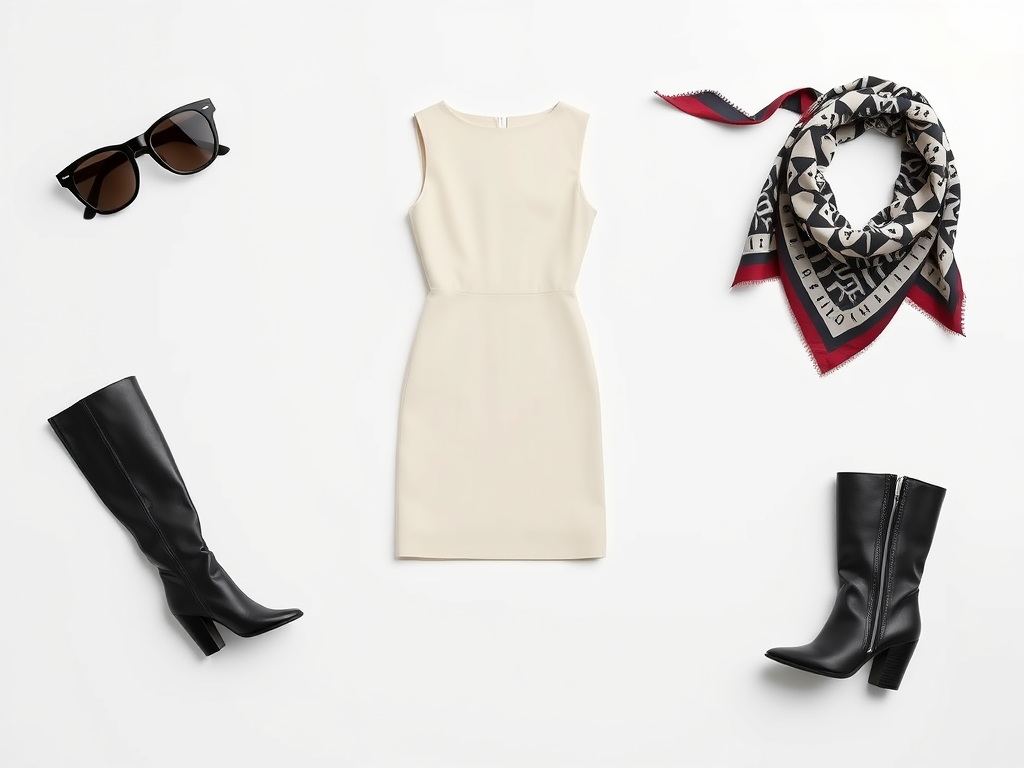
    Accessories are another fantastic way to channel 90s nostalgia. Chunky sneakers and platform shoes are making a major comeback, adding an edgy, retro touch to any outfit. According to Lyst, searches for chunky sneakers increased by 150% in 2023, proving their staying power. Don’t forget to layer on accessories like chokersbucket hats, or colorful scrunchies to complete your look. Mixing these 90s-inspired accessories with modern pieces creates a fresh, balanced aesthetic that feels both nostalgic and contemporary.

    Finally, embrace the boldness of the 90s by experimenting with color and patterns. Whether it’s a floral slip dress, plaid trousers, or a vibrant handbag, these statement pieces can instantly elevate your outfit. The 90s were all about self-expression, so don’t be afraid to have fun and make these trends your own. By thoughtfully incorporating 90s fashion into your wardrobe, you can create a style that’s uniquely yours. You can celebrate the past while staying firmly rooted in the present.

    Love 90s fashion but want to stay eco-conscious? In the next section, we’ll explore how to embrace the 90s aesthetic while prioritizing sustainability. From thrifting vintage finds to supporting ethical brands, discover how to rock retro style responsibly!

    Street-style image of a model in a modern take on 90s fashion—oversized blazer, crop top, straight-leg jeans, and retro sneakers.

    Sustainable Fashion Meets 90s Aesthetic: How to Go Retro and Eco-Friendly

    The 90s aesthetic and sustainable fashion are a match made in heaven. The decade’s emphasis on practicality, individuality, and thriftiness aligns perfectly with today’s eco-conscious values. Back then, thrifting was more than just a trend—it was a way of life. Vintage stores and second-hand shops held unique, high-quality pieces. These shops allowed people to express their personal style. They didn’t need to spend a lot of money. Fast forward to today. Thrifting is once again in the spotlight. Platforms like Depop and ThredUp have reported a 200% increase in users over the past two years, according to Vox.

    The 90s also celebrated DIY culture, where creativity and resourcefulness reigned supreme. People customized their clothes with patches, embroidery, and even fabric paint, turning old garments into one-of-a-kind masterpieces. This DIY spirit is making a comeback. Brands like Levi’s offer repair services. They also encourage customers to personalize their denim. By embracing this approach, you can rejuvenate vintage pieces. This creates a wardrobe that is both sustainable and uniquely yours.

    The 90s’ love for casual, comfortable styles also dovetails beautifully with today’s sustainable fashion movement. Think oversized flannels, slip dresses, and mom jeans—timeless pieces that prioritize comfort and longevity. Modern brands are taking this a step further by using eco-friendly materials like organic cotton and recycled polyester. According to Fashion Revolution, 75% of consumers now prefer brands that are transparent about their sustainability practices. By blending 90s aesthetics with ethical choices, you can create a wardrobe that’s stylish, sustainable, and deeply personal.

    From Princess Diana’s revenge dress to the rise of grunge, the 90s were packed with unforgettable fashion moments. In the next section, we’ll revisit the iconic looks and events that defined the decade—and continue to inspire us today. Get ready for a trip down memory lane!

    Fashion shot of a model in sustainable 90s-inspired clothing, featuring recycled denim, an oversized cotton T-shirt, and eco-friendly sneakers.

    Iconic 90s Fashion Moments That Changed the Game

    The 90s were a treasure trove of iconic fashion moments that continue to inspire and influence the industry today. Elizabeth Hurley’s Versace safety pin dress was unforgettable. It was worn at the 1994 premiere of Four Weddings and a Funeral. This daring design, held together with strategically placed safety pins, became an instant sensation, catapulting Hurley into the fashion spotlight. According to Vogue, the dress remains one of the most talked-about red carpet looks of all time. It symbolizes the bold, boundary-pushing spirit of 90s fashion.

    Another legendary moment came in 1996. Princess Diana graced the MTV Video Music Awards in a sleek black off-the-shoulder dress. She paired it with a pearl choker. This look, often referred to as her “revenge dress,” was a masterclass in elegance and modernity. It showed the world that royalty can embrace contemporary trends while maintaining timeless sophistication. The impact of this moment was seismic, inspiring designers and fashion lovers for decades.
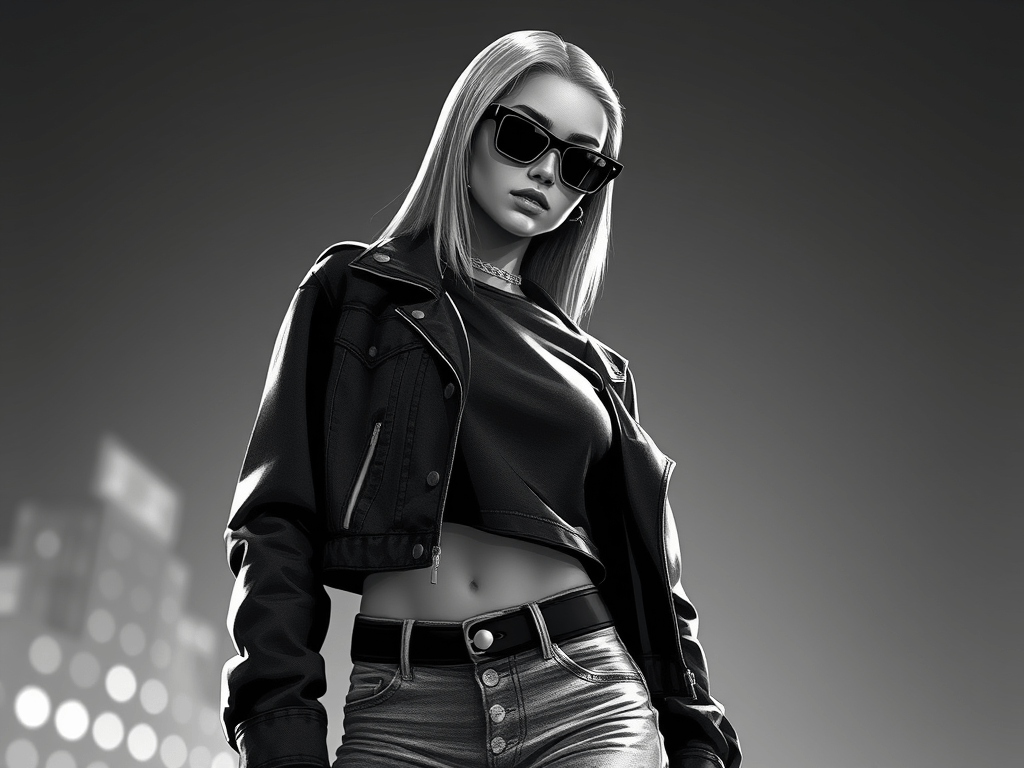
    The 90s also saw the rise of the supermodel phenomenon, epitomized by George Michael’s Freedom! music video. Featuring legends like Naomi Campbell, Linda Evangelista, and Christy Turlington, the video showcased their fierce beauty and undeniable charisma. This moment wasn’t just about fashion—it was a cultural statement, redefining beauty standards and empowering women worldwide. As Harper’s Bazaar notes, the Freedom! video remains a defining moment in fashion history, cementing the supermodels’ status as global icons.
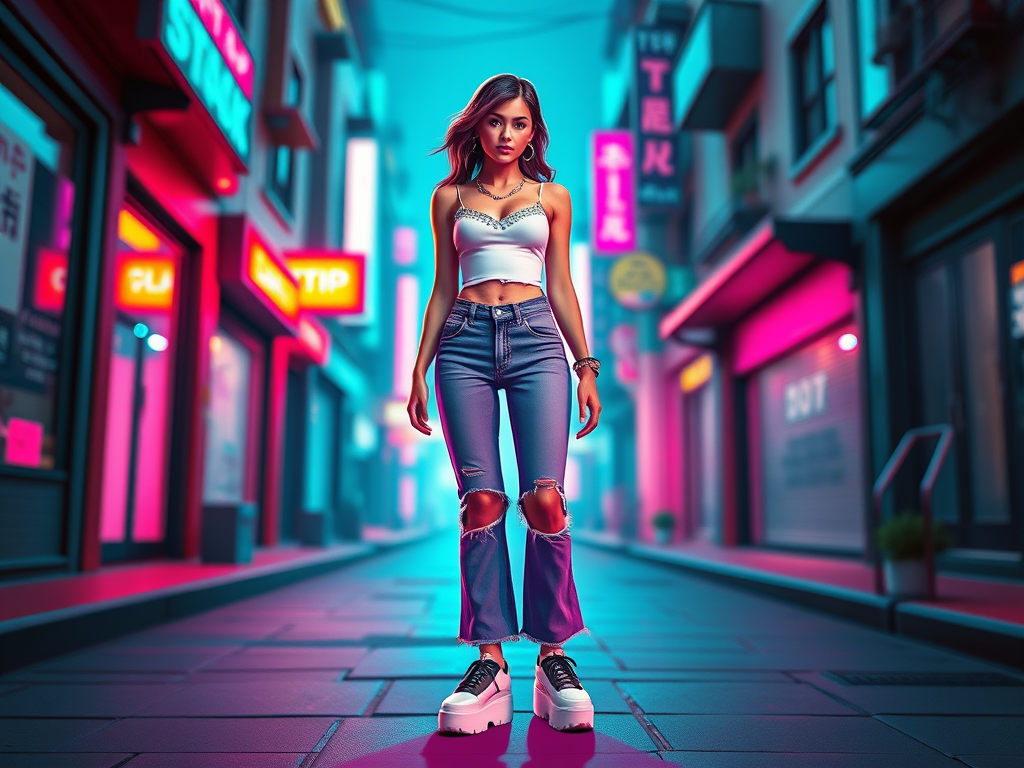
    These iconic moments—each bold, daring, and unforgettable—showcased the creativity and cultural impact of 90s fashion. They remind us why this decade continues to captivate and inspire.

    The 90s are over, but their influence on fashion is stronger than ever. In the final section, we’ll explore why these iconic trends continue to inspire designers, influencers, and fashion lovers today. You will also learn how you can keep the 90s spirit alive in your wardrobe.

    Runway-style fashion shot of a model in an iconic 90s-inspired outfit, featuring a slip dress and a faux fur coat.

    Why 90s Fashion Trends Still Matter Today

    The 90s weren’t just a decade—they were a fashion revolution. From grunge to minimalism to streetwear, the trends of the 90s have left an indelible mark on the fashion world. Their influence is stronger than ever today. According to Google Trends, searches for “90s fashion trends” have increased by 300% over the past five years. This increase proves that this iconic era continues to captivate modern audiences. The resurgence of nostalgic styles, combined with contemporary twists, creates a dynamic blend. This mix bridges the past and present. It offers endless inspiration for today’s fashion lovers.

    What makes 90s fashion so timeless is its emphasis on self-expression and individuality. The decade taught us that style isn’t just about following trends—it’s about telling your story through what you wear. This ethos resonates deeply with today’s consumers, who value authenticity and personal flair. The 90s demonstrate that fashion is a powerful tool. It can express the rebellious spirit of grunge or the effortless elegance of minimalism. It helps in the journey of self-discovery.

    As we look to the future, the legacy of 90s fashion endures, inspiring designers, influencers, and everyday fashionistas alike. The revival of slip dresses and chunky sneakers influences our fashion today. Also, sustainable practices from the 90s are integrated into modern style. This iconic decade proves that great fashion isn’t just about what’s new—it’s about what stands the test of time.

    Why are 90s fashion trends still dominating the style scene in 2025? In the next section, we’ll break down the top 5 reasons these iconic looks continue to inspire designers. They also continue to influence influencers and fashion lovers worldwide. Get ready to discover why the 90s are more than just a trend—they’re a timeless movement.

    If you want to add these iconic styles to your wardrobe, explore Saflore. It is your go-to destination for curated fashion pieces. These pieces blend nostalgia with modern flair. From vintage-inspired finds to contemporary essentials, Saflore offers something for every 90s enthusiast. Explore the collection at saflore.com and rediscover the magic of 90s fashion today.

    Fashion portrait of a model in a fusion of 90s and modern styles, featuring platform shoes, a slip dress, and vintage sunglasses.

  • The Biggest Fashion Trends of 2025: What’s In & What’s Out

    The Biggest Fashion Trends of 2025: What’s In & What’s Out

    Why Staying Ahead of Fashion Trends Matters in 2025

    Staying ahead of fashion trends isn’t just about looking good—it’s about making a statement. Fashion is a powerful tool for self-expression, allowing you to showcase your personality, values, and creativity. In 2025, cultural and social movements will continue to shape the world. Your style can speak volumes about your awareness. It also shows your adaptability. Embracing the latest fashion trends not only helps you stand out. It also boosts your confidence. This makes you feel more connected to the world around you.

    From a business perspective, staying ahead of fashion trends is equally crucial. Brands and designers who anticipate fashion trends in 2025 are better prepared. They can create collections that resonate with consumers. According to McKinsey’s State of Fashion Report, 78% of consumers are more to trust brands. This trust is strongest with brands that align with their personal values. These values are often reflected in fashion trends. By staying ahead of the curve, businesses can build loyalty, drive innovation, and maintain their relevance in a fast-paced industry.

    But it’s not just about business—it’s about personal growth, too. Keeping up with fashion trends 2025 encourages you to experiment with bold new styles, unexpected fabrics, and daring combinations. It’s an invitation to step out of your comfort zone and discover a more authentic version of yourself. As we move closer to 2025, staying ahead of fashion trends isn’t just a choice. It’s a way to embrace creativity. It embodies individuality and the ever-evolving world of style.

    Ever wondered how experts predict the hottest fashion trends 2025? In the next section, we’ll dive into the fascinating world of trend forecasting. We will explore everything from analyzing runway shows to tracking social media buzz. You’ll discover how data, culture, and creativity come together to shape the future of fashion.

    Fashion-forward individual walking in a futuristic cityscape, wearing a cutting-edge outfit with high-tech elements and neon lights in the background.

    How Fashion Trends for 2025 Are Predicted: The Science Behind the Style

    Forecasting fashion trends is both an art and a science. It blends creativity with data-driven insights to predict what will dominate the fashion landscape in 2025. Experts in trend forecasting analyze a wide range of factors. They consider societal shifts and technological innovations. They also look at economic conditions and cultural movements. They examine everything from art and music to politics and consumer behavior. This analysis creates a detailed roadmap of the styles, colors, and materials that will define the future.

    One of the most fascinating aspects of trend forecasting is its reliance on historical patterns. Fashion is inherently cyclical, with past trends often resurfacing in new and innovative ways. For example, the resurgence of 90s and Y2K aesthetics in recent years shows how forecasters use historical data. They predict comebacks with this information. According to WGSN, a leading trend forecasting agency, 65% of future trends are influenced by past styles. These styles are reimagined for modern audiences. This historical perspective is paired with real-time observations of street style. Social media and influencer culture provide immediate insights into what’s resonating with consumers today.

    Technology is also revolutionizing how trends are predicted. Advanced tools like artificial intelligence and data analytics are now used to track online consumer behavior. They monitor social media engagement and sales patterns. Brands like Zara and H&M use AI to analyze millions of data points. This helps them predict which trends will hit big. A 2023 report by Business of Fashion revealed that 72% of fashion companies now rely on AI-driven insights. These insights help them stay ahead of the curve. As we move into 2025, traditional forecasting methods will merge with cutting-edge technology. This fusion will shape how we anticipate fashion trends. It will also influence how we embrace these trends.

    Fashion trends don’t just emerge out of thin air—they evolve over time, shaped by history, culture, and innovation. In the next section, we’ll explore how fashion trends have transformed over the decades. We will also discuss what this transformation means for the styles we’ll see in 2025. Get ready to take a journey through the fascinating evolution of fashion!

    A stylist analyzing digital fashion trends on a holographic screen, with futuristic charts and AI-powered style predictions displayed.

    From Past to Present: How Fashion Trends Have Evolved Leading Up to 2025

    Fashion trends have always been a mirror of society, reflecting cultural shifts, technological advancements, and evolving values. Over the decades, we’ve witnessed dramatic transformations. There were rebellious flapper dresses of the 1920s. Then came the bold, grunge-inspired looks of the 1990s. Each era brought its own unique flair, shaped by the social and political climate of the time. Fast forward to the 21st century. Fashion has become a global phenomenon. Trends transcend borders and blend influences from around the world.

    The early 2000s marked a turning point with the rise of fast fashion, which revolutionized how we consume style. Brands like Zara and H&M made it possible to replicate runway looks quickly. This created a culture of instant gratification. However, this rapid pace came at a cost. According to the Ellen MacArthur Foundation, the fashion industry is responsible for 10% of global carbon emissions. This statistic has sparked a much-needed conversation about sustainability. This has led to a shift in consumer behavior, with more people prioritizing quality over quantity and embracing slow fashion.

    As we approach 2025, the fashion industry is undergoing another transformation—one driven by social responsibility and inclusivity. Brands are now focusing on ethical production, sustainable materials, and diverse representation. For example, a 2023 report by Fashion Revolution found that 68% of consumers prefer to support brands. These brands align with their values. This evolution isn’t just about aesthetics; it’s about creating a fashion landscape that values authenticity, creativity, and responsibility. The trends of 2025 will reflect this deeper cultural narrative. They will shape a future where style and sustainability go hand in hand.

    Curious about what’s going to dominate the fashion scene in 2025? From bold colors to futuristic fabrics, the next section dives into the key trends that will shape the industry. Get ready to discover the styles that will define the future—and how you can incorporate them into your wardrobe!

    A timeline of fashion evolution, showcasing outfits from the 2000s to 2025, with changing styles and trends across the decades.

    Top Fashion Trends 2025: What’s Defining the Future of Style

    The fashion landscape of 2025 is set to be a thrilling blend of innovation, inclusivity, and sustainability. It reflects the values and challenges of our time. One of the most transformative trends is the rise of gender-fluid fashion. As society moves toward embracing diverse gender identities, fashion is following suit. Brands are breaking free from traditional gender norms, creating designs that celebrate individuality and self-expression. According to a 2023 report by McKinsey, 42% of Gen Z consumers prefer brands that offer gender-neutral options. This indicates a seismic shift in how fashion is perceived and consumed.

    Another game-changing trend is the integration of technology into fashion. From smart textiles to 3D printing, technology is revolutionizing every aspect of the industry. Imagine clothes that adapt to your body temperature. Or picture clothes that change color based on your mood. This isn’t science fiction; it’s the future of fashion. Augmented reality (AR) is also making waves. Virtual fitting rooms let shoppers “try on” outfits from the comfort of their homes. A study by Statista predicts that the global market for AR in fashion will grow by 30% annually, reaching $12.8 billion by 2025. These innovations aren’t just enhancing the consumer experience—they’re also paving the way for more efficient, waste-free production processes.

    Finally, sustainability remains a cornerstone of the 2025 fashion narrative. Consumers are increasingly demanding transparency and accountability from brands, leading to a surge in eco-friendly practices. From recycled materials to circular fashion models, the industry is undergoing a green revolution. For instance, brands like Patagonia and Stella McCartney are leading the charge, proving that style and sustainability can coexist. A 2023 survey by Nielsen found that 73% of global consumers are willing to change their consumption habits. Their goal is to reduce environmental impact. This isn’t just a trend—it’s a movement toward a more ethical and responsible fashion future.

    Sustainability isn’t just a buzzword—it’s the future of fashion. In the next section, we’ll explore how eco-friendly practices are shaping the industry in 2025. Recycled materials and circular fashion models are also contributing to this change. Discover how you can stay stylish while making a positive impact on the planet!

    A collage of models wearing 2025’s top fashion trends, including futuristic fabrics, bold designs, and sustainable clothing, set in a modern city.

    Sustainable Fashion Trends 2025: The Green Revolution in Style

    The fashion industry is undergoing a green revolution, and by 2025, sustainability will no longer be optional—it will be essential. Consumer awareness and demand for ethical practices are rising. As a result, sustainable fashion trends are reshaping how we design, produce, and consume clothing. One of the most exciting developments is the rise of recycled and upcycled materials. Brands are turning post-consumer waste, like plastic bottles and discarded textiles, into chic, high-quality garments. For instance, Adidas has already sold over 15 million pairs of shoes made from ocean plastic. This achievement proves that sustainability and style can go hand in hand. This shift not only reduces waste but also slashes the carbon footprint of traditional textile production.

    Another game-changer is the circular fashion model. It reimagines clothing as part of a continuous lifecycle rather than a one-time purchase. Brands like H&M and Patagonia are leaders in this movement. They offer take-back programs that allow customers to return used items for recycling or refurbishing. According to the Ellen MacArthur Foundation, adopting circular fashion practices reduce global carbon emissions by 45% by 2030. This trend is empowering consumers to rethink their habits and embrace a more sustainable relationship with fashion.

    Transparency is also becoming non-negotiable. Today’s shoppers want to know the story behind their clothes. They are interested in everything from the sourcing of materials to the working conditions of garment workers. Brands that prioritize ethical labor practices and supply chain transparency are gaining trust and loyalty. Certifications like Fair Trade and B Corp are becoming badges of honor, signaling a commitment to social and environmental responsibility. A 2023 report by Fashion Revolution revealed an insightful fact. It showed that 75% of consumers are more to support brands that are transparent about their practices. As we move into 2025, sustainable fashion trends will continue to challenge the status quo. These trends are driving innovation and inspiring a new era of conscious consumption.

    From smart fabrics to AI-designed collections, technology is revolutionizing the fashion industry. In the next section, we’ll explore how tech-driven innovations are shaping the future of style in 2025. Get ready to discover how fashion is becoming smarter, more personalized, and more sustainable than ever before!

    Models in eco-friendly outfits made of sustainable materials, posing in a lush green urban space with vertical gardens.

    Tech-Driven Fashion Innovations 2025: Where Style Meets the Future

    The fashion industry is on the brink of a tech-driven revolution. By 2025, innovation will be at the heart of how we create, wear, and experience style. One of the most exciting developments is the rise of wearable technology. Imagine clothing that does more than just look good. Smart garments embedded with sensors can monitor your heart rate. They can track your fitness goals. They can even sync with your smartphone to adjust to your preferences. Brands like Ralph Lauren and Levi’s are already experimenting with smart fabrics. These brands demonstrate that fashion can be both functional and fashionable. Grand View Research reports that the global wearable technology market is expected to reach $74 billion by 2025. This market is growing rapidly. This highlights its growing influence on the industry.

    Another game-changing innovation is 3D printing, which is revolutionizing how designers bring their visions to life. This technology allows for the creation of intricate, customizable designs that were once impossible to produce. For example, designer Iris van Herpen has used 3D printing to craft stunning and avant-garde pieces. These pieces blur the line between fashion and art. Beyond its creative potential, 3D printing also promotes sustainability by enabling on-demand production, reducing waste, and minimizing overstock. A 2023 study by McKinsey found that 40% of fashion brands are exploring 3D printing. They aim to streamline their production processes. They also want to meet consumer demand for unique, personalized items.

    Virtual and augmented reality are also transforming the shopping experience. Virtual fitting rooms and AR apps allow consumers to “try on” clothes from the comfort of their homes. This makes online shopping more interactive. It also reduces return rates. Brands like Gucci and Zara are already using AR to create immersive shopping experiences, blending the digital and physical worlds. As these technologies become more widespread, they’ll enhance convenience. They will also pave the way for a more sustainable and personalized fashion future.

    From TikTok stars to Instagram icons, influencers are redefining how we discover and embrace fashion trends. In the next section, we’ll explore how these digital tastemakers are shaping the future of style in 2025. We will also discuss what it means for brands and consumers alike. Get ready to dive into the world of influencer-driven fashion!

    A model wearing smart clothing with built-in LED displays, adjusting digital controls on their outfit in a high-tech fashion showroom.

    How Influencers Are Shaping Fashion Trends in 2025

    Influencers have become the heartbeat of the fashion industry, driving trends and reshaping consumer behavior like never before. These digital tastemakers have massive social media followings. Their unparalleled reach is redefining what it means to be stylish in 2025. Platforms like Instagram, TikTok, and YouTube have turned influencers into trendsetters. They allow them to showcase their unique aesthetics. They also amplify brands that resonate with their values. According to a 2023 report by Influencer Marketing Hub, 72% of consumers say they trust influencers more than traditional advertisements. This highlights their growing impact on the fashion narrative.

    One of the most exciting shifts in the influencer space is the push for diversity and inclusivity. As societal norms evolve, there’s a growing demand for representation across body types, ethnicities, and gender identities. Influencers like Lizzo, Paloma Elsesser, and Aaron Philip are leading the charge. They use their platforms to celebrate individuality. They also challenge outdated beauty standards. Brands are taking note, collaborating with a broader range of influencers to authentically connect with diverse audiences. For instance, Fenty Beauty’s inclusive campaigns have set a new benchmark, proving that representation isn’t just a trend—it’s a movement.

    Authenticity is also becoming non-negotiable. Today’s consumers crave genuine connections and are quick to spot inauthentic endorsements. Influencers who prioritize transparency and only promote products they truly believe in are building deeper trust with their followers. A 2023 survey by Morning Consult discovered that 63% of consumers are more to purchase a product. They are inclined to do so if it’s recommended by an influencer they trust. As we move into 2025, influencers will keep shaping the fashion industry. They will drive conversations around inclusivity, authenticity, and social responsibility.

    From iconic runway shows to groundbreaking exhibitions, fashion events are where trends are born and creativity thrives. In the next section, we’ll highlight the must-attend fashion events of 2025. We will explain why these events are essential for anyone looking to stay ahead of the curve. Get ready to mark your calendars!

    A digital fashion influencer livestreaming in a modern studio, surrounded by social media engagement metrics and AR clothing filters.

    Top Fashion Events to Watch in 2025: Where Trends Come to Life

    Fashion events are the beating heart of the industry. In 2025, they’ll be bigger, bolder, and more innovative than ever. New York Fashion Week (NYFW) leads the pack. It is a global powerhouse. It sets the tone for the season’s hottest trends. In 2025, expect NYFW to blend classic runway shows with cutting-edge formats that spotlight sustainability and technology. Emerging designers will take center stage, challenging traditional norms and introducing fresh perspectives. The Business of Fashion reports that 60% of fashion weeks worldwide are now incorporating sustainable practices. This makes NYFW 2025 a must-watch for eco-conscious trendsetters.

    Another standout event is the Copenhagen Fashion Summit, the world’s leading forum for sustainable fashion. In 2025, this summit will convene industry leaders, policymakers, and innovators. They will tackle pressing issues like ethical production. Circular fashion and climate action are also on the agenda. With its focus on collaboration and actionable solutions, the summit is a driving force for change. A 2023 report by Global Fashion Agenda revealed that 80% of fashion brands are now committed to sustainability goals. This makes events like the Copenhagen Fashion Summit more critical than ever.

    But the future of fashion events isn’t just physical—it’s digital. Virtual fashion shows and immersive experiences are redefining how we engage with style. Brands like Balenciaga and Gucci are already experimenting with AR and VR to create unforgettable digital showcases. These innovations not only make fashion more accessible to global audiences but also push the boundaries of creativity. As we move into 2025, fashion events will continue to evolve. They will blend tradition with technology. This evolution will shape the trends and conversations that define the industry.

    The future of fashion is here, and it’s more exciting than ever. In the final section, we’ll explore how you can embrace the trends, innovations, and values shaping the industry in 2025. From sustainability to technology, discover how to stay ahead of the curve and make a statement with your style.

    A futuristic fashion runway event with avant-garde outfits, immersive holographic backdrops, and an excited audience.

    Embracing the Future of Fashion in 2025 and Beyond

    As we step into 2025, the fashion industry finds itself at the crossroads of innovation, sustainability, and inclusivity. This offers a future brimming with possibilities. This transformative era is not just about what we wear. It’s about how we express our values. We also embrace technology. It contributes to a more responsible world. Fashion trends such as gender-fluid designs, smart textiles, and circular fashion models emerge in 2025. These trends reflect a cultural shift. The focus is on creativity, accountability, and connection.

    For fashion enthusiasts, staying ahead means being open to experimentation and informed about the latest developments. The choices we make can have a profound impact. We can try out bold, tech-infused designs. Alternatively, we can support brands that champion sustainability. According to a 2023 report by Euromonitor International, 67% of consumers are willing to pay more for sustainable fashion. This signals a growing demand for ethical practices. By aligning our wardrobes with our values, we can make a statement that goes beyond style.

    In conclusion, the future of fashion is not just about trends—it’s about embracing a mindset of innovation, responsibility, and authenticity. As we navigate this exciting landscape, let’s celebrate the diversity of ideas and styles that shape our world. Together, we can pave the way for a fashion industry that’s not only stylish but also sustainable and inclusive. The future is here, and it’s time to make our mark.

    A diverse group of models walking a futuristic runway, representing sustainability, technology, and innovation in fashion.

  • What Clothes Did They Wear in the 60s? A Decade of Fashion Revolution & Iconic Styles

    What Clothes Did They Wear in the 60s? A Decade of Fashion Revolution & Iconic Styles

    The 60s Fashion Revolution

    The 1960s weren’t just a decade—they were an explosive revolution. The world tuned into Woodstock (Wikipedia). It watched the first moon landing. People marched for civil rights. During this time, fashion became a battlefield for self-expression.

    But what clothes did they wear in the 60s that made this era so iconic? Forget stuffy suits and prim petticoats; this was the era hemlines soared, colors screamed, and fabrics dared to shock. By 1966, skirts had risen well above the knee, marking a significant shift in women’s fashion (Victoria and Albert Museum). From Jackie Kennedy’s pillbox hats to Twiggy’s mod miniskirts, 60s fashion wasn’t just about clothes. It was a middle finger to tradition. This defiance was stitched into every sequin and paisley print.

    This was the decade where youth culture hijacked the runway. Baby boomers, armed with disposable income and anti-establishment ideals, turned fashion into a language of protest and freedom. The British Invasion brought The Beatles’ collarless suits, while San Francisco’s Haight-Ashbury district birthed hippie tie-dye and fringe. Women traded corsets for shift dresses. Men swapped fedoras for floral shirts. By 1969, everyone, it seemed, owned a pair of bell-bottoms.

    In this blog, we’ll unpack how the 60s redefined style forever. You’ll discover how civil rights, space-age optimism, and rock ‘n’ roll didn’t just soundtrack the era—they sewed its wardrobe. Ready to time-travel through mod boutiques, psychedelic silk scarves, and the birth of bohemian chic? Let’s dive into the threads that made the 60s the most revolutionary decade in fashion history.

    The Cultural Backdrop: Why 60s Fashion Mattered

    From Conservatism to Counterculture: How Society Shaped 60s Style

    The 1960s didn’t just change fashion—it rewrote the rules of self-expression. The decade broke free from the rigid conformity of the 1950s. It exploded with social upheaval. There were significant events like the Civil Rights Act of 1964, anti-Vietnam protests, and the rise of feminism. But how did these shifts influence what clothes they wore in the 60s? The answer lies in numbers. By 1965, 40% of the U.S. population was under 20 years old. This was a tidal wave of baby boomers with cash to burn. They had a hunger for rebellion.

    This youthquake didn’t just demand change; it funded it. Teens experienced a surge in disposable income by $10 billion annually (adjusted for inflation). This surge transformed fashion from a luxury into a loudspeaker for dissent. The British Mod scene, fueled by bands like The Who, swapped their parents’ tweed for slim-cut suits and Chelsea boots. Meanwhile, the U.S. counterculture rejected capitalism entirely, with Haight-Ashbury hippies stitching their own tie-dye tunics and patchwork jeans. Even politics dressed the part. Black Panthers wore leather jackets and berets as symbols of empowerment. Feminist activists burned bras and embraced pantsuits to defy gender norms.

    Technology played a role too. The 60s saw synthetic fabrics like polyester and PVC hit the mainstream, making bold, affordable styles accessible. TV cemented trends overnight. The Ed Sullivan Show turned The Beatles’ collarless suits into a global obsession. Hullabaloo made go-go boots a household staple.

    This wasn’t just fashion; it was a cultural mutiny. As hemlines rose and suits shed their padding, clothing became a manifesto. In the next sections, we’ll break down exactly what clothes they wore in the 60s. We will explore how each stitch mirrored a society in flux.

    What Clothes Did They Wear in the 60s? Breaking Down the Trends

    The 1960s didn’t just shift style—it shattered it. This was the decade where clothing became a political statement, a social stance, and a middle finger to the past. Let’s dissect what clothes they wore in the 60s and why these trends still scream “revolution” today.

    The Miniskirt Madness: Hemlines Rose, and Society Couldn’t Look Away

    If one garment defined the 60s, it was the miniskirt. British designer Mary Quant (who famously said, “A woman is as young as her knees”) hacked hemlines to thigh-grazing heights. By 1966, 5 million miniskirts were sold weekly in the U.S. alone. Paired with go-go boots (a $15 million industry by 1968), women’s fashion screamed liberation. They also wore shift dresses in PVC or neon geometric prints.

    First Lady Jackie Kennedy exuded elegance amidst the chaos. Her pastel pillbox hats and oversized sunglasses were iconic. Meanwhile, Twiggy’s androgynous crop tops and false lashes redefined beauty. Even workplaces bent to the trend. By 1969, 60% of office dress codes relaxed to allow pantsuits. This change was thanks to feminist pressure.

    The Beatles, Bell-Bottoms, and the Birth of Cool

    Men’s fashion shed its gray flannel skin in the 60s. The Mod subculture (a $200 million UK market by 1965) swapped boxy suits for slim-fit blazers. They also adopted skinny ties and Chelsea boots. This look was immortalized by The Beatles’ A Hard Day’s Night. Meanwhile, the U.S. embraced Nehru jackets. Sales spiked 300% after The Monkees wore them. The U.S. also embraced psychedelic floral shirts, which were inspired by Jimi Hendrix’s Woodstock performance.

    But the real game-changer? Denim. Once relegated to factory floors, bell-bottoms became the uniform of rebellion. Levi’s reported a 72% sales jump between 1964-1969 as college students and hippies adopted them for protests and festivals.

    Tie-Dye, Fringe, and the Rise of ‘Genderless’ Groove

    The 60s blurred fashion’s gender lines. Bell-bottoms, once a naval staple, were adopted by both men and women after Janis Joplin rocked them at Monterey Pop. Tie-dye exploded post-1967’s “Summer of Love,” with DIY kits selling 500,000 units monthly. Even haute couture joined the fray. Yves Saint Laurent’s Le Smoking tuxedo (1966) empowered women to borrow menswear. They never had to give it back.

    Hippies took it further, with unisex fringe vests and peasant blouses dominating communes. By 1969, 1 in 3 young adults owned at least one unisex garment. This proved that 60s fashion wasn’t just about clothes. It was about rewriting identity.

    Accessories & Footwear: The Devil’s in the Details

    If 60s clothing was the revolution, accessories were the battle cries. From oversized sunglasses to peace sign pendants, every piece told a story. Let’s break down the must-have add-ons that defined what clothes they wore in the 60s—and why they still matter today.

    Headbands, Hoops, and the Rise of the Statement Piece

    The 60s woman didn’t just wear accessories—she weaponized them. Oversized sunglasses (think Audrey Hepburn in Breakfast at Tiffany’s) became a $50 million industry by 1965. Headbands and choker necklaces added a touch of mod elegance. But the real star? The pillbox hat, popularized by Jackie Kennedy, which sold over 2 million units in 1963 alone.

    Hippies swapped hats for flower crowns, turning a simple daisy chain into a symbol of peace. Let’s remember go-go boots. By 1966, 1 in 4 women under 25 owned a pair. This proved that footwear is both functional and fierce.

    Skinny Ties, Leather Boots, and the Birth of Cool

    For men, accessories were all about subtle rebellion. The skinny tie, popularized by The Beatles, became a $20 million market by 1967. Leather boots (think Elvis Presley’s motorcycle look) saw a 45% sales spike as rockers embraced the greaser aesthetic.

    But the hippies had their own uniform: peace sign pendants and beaded necklaces became staples of the counterculture movement. By 1969, 1 in 5 men owned at least one piece of “protest jewelry.” This proved that even the smallest details make a statement.

    Fringe, Scarves, and the Rise of Unisex Cool

    The 60s blurred gender lines with accessories too. Fringe vests were inspired by Native American designs. They became a unisex staple. Additionally, silk scarves were equally popular among men and women. These were often tie-dyed. Even round sunglasses, popularized by John Lennon, transcended gender, selling over 1 million pairs annually by 1968.

    Fabrics & Patterns That Defined the 60s

    The 60s didn’t just change what people wore—it revolutionized how clothes were made. From space-age synthetics to trippy prints, this decade turned fabric into a canvas for innovation. Let’s look into the materials and patterns that defined the clothing style of the 60s. They continue to inspire designers today.

    PVC, Polyester, and the Rise of the Plastic Revolution

    The 60s were all about looking to the future, and nothing screamed “space age” like PVC and polyester. By 1965, 70% of women’s dresses contained synthetic fibers, thanks to their affordability and durability. Designers like André Courrèges and Paco Rabanne transformed PVC into high fashion. They crafted futuristic minidresses and coats that shimmered like astronaut suits.

    Polyester, meanwhile, became the fabric of the masses. Its wrinkle-resistant properties made it perfect for shift dresses and bell-bottoms, while its low cost (just 0.50peryardin1963)democratizedstyle.By1969,∗polyestersalestopped0.50peryardin1963)democratizedstyle.By1969,∗polyestersalestopped1 billion annually*, proving that the future wasn’t just for the elite.

    Op-Art, Paisley, and the Patterns That Made the 60s Pop

    If the 60s had a visual soundtrack, it was psychedelic prints. Inspired by the counterculture movement, designers embraced op-art (optical art) patterns that seemed to move on their own. Bridget Riley’s black-and-white swirls became a mod staple, while paisley (imported from India) adorned everything from blouses to men’s ties.

    But the real star? Tie-dye. What began as a DIY craft in Haight-Ashbury turned into a $10 million industry by 1969. By then, 1 in 3 college students owned at least one tie-dye piece. Even high-end designers like Emilio Pucci embraced the trend, proving that psychedelia wasn’t just for hippies.

    Cotton, Linen, and the Return to Earth

    Not everyone wanted to wear plastic. The hippie movement championed natural fabrics like cottonlinen, and hemp, often hand-dyed or embroidered. By 1968, sales of natural fibers surged by 25%, as communes and festivals embraced a back-to-nature aesthetic.

    Subcultures & Their Styles: The Tribes of 60s Fashion

    The 60s weren’t just a decade—they were a mosaic of movements. From London’s Mods to San Francisco’s hippies, each subculture used fashion to declare its identity. Let’s explore how these tribes shaped what clothes they wore in the 60s—and why their influence still resonates today.

    Scooters, Suits, and the Birth of British Cool

    The Mods were the original hipsters. Born in London’s working-class neighborhoods, this subculture embraced slim-fit suitsChelsea boots, and parka jackets (to protect their prized Vespas). By 1964, 60% of young British men owned at least one Mod-inspired outfit. Bands like The Who and The Small Faces were influential in this trend.

    Women’s Mod fashion was equally sharp. Shift dresses in geometric prints defined the look. Go-go boots and pixie haircuts (popularized by Twiggy) added to the signature style. The Mod motto? “Clean living under difficult circumstances.”

    Tie-Dye, Bell-Bottoms, and the Spirit of ’67

    If the Mods were polished, the hippies were proudly unkempt. This counterculture movement, centered in San Francisco’s Haight-Ashbury district, embraced bell-bottomstie-dye shirts, and fringe vests. By 1969, 1 in 4 young Americans owned at least one piece of hippie clothing. The movement spread from coast to coast.

    Accessories were key: headbandsbeaded necklaces, and round sunglasses (thanks, John Lennon) completed the look. But the real statement? DIY fashion. Hippies often made their own clothes, turning thrift store finds into personalized masterpieces.

    Grease, Grit, and the Greaser Aesthetic

    While the Mods rode Vespas, the Rockers revved Harley-Davidsons. This subculture, inspired by 50s greasers, embraced leather jacketsdenim jeans, and engineer boots. By 1965, sales of leather jackets surged by 40%, thanks to icons like Marlon Brando and Elvis Presley.

    Women’s Rocker fashion was equally edgy: capri pantsbandanas, and cat-eye sunglasses defined the look. The message? “We don’t follow trends—we set them.”

    Poetry, Coffee, and the Allure of Minimalism

    Before the hippies, there were the Beatniks. This intellectual subculture, inspired by writers like Jack Kerouac, favored black turtlenecksberets, and sunglasses indoors. By 1962, sales of black clothing jumped 30%, as Beatnik cafes popped up in New York and San Francisco.

    How 60s Fashion Influenced Modern Style

    The 60s didn’t just define a decade—it set the blueprint for modern fashion. From runways to streetwear, the era’s bold experimentation continues to shape what we wear today. Let’s explore how what clothes they wore in the 60s still influences our wardrobes—and why this revolutionary decade remains timeless.

    Bell-Bottoms, Tie-Dye, and the Comeback of Cool

    The 60s gave us bell-bottoms, and they’ve never really left. In 2020, global sales of flared jeans surged by 35%, proving that this hippie staple still has legs. Tie-dye was once a symbol of counterculture. It has become a streetwear staple. Brands like Nike and Supreme are releasing collections inspired by the 60s. Even mod miniskirts are back, with designers like Miu Miu and Saint Laurent reimagining Mary Quant’s iconic silhouette.

    From Hippie Fringe to Genderless Runways

    The 60s blurred gender lines with unisex trends like bell-bottoms and fringe vests—a legacy that continues today. In 2023, 40% of Gen Z shoppers purchased gender-neutral clothing, according to a McKinsey report. Brands like Gucci and Zara now offer collections that echo the 60s’ fluid approach to style. This proves that fashion’s future is rooted in its past.

    Clean Lines, Bold Prints, and Timeless Elegance

    The Mod movement’s love for clean lines and geometric prints still resonates. Designers like Phoebe Philo (formerly of Céline) and Jil Sander have built entire brands around this aesthetic. Fast-fashion retailers like H&M regularly release Mod-inspired collections.

    FAQs About 60s Clothing

    Got questions about what clothes they wore in the 60s? We’ve got answers. These FAQs break down the decade’s most iconic styles—and why they still matter today.

    Q: What was the most popular clothing item in the 60s?

    A: The miniskirt was the undisputed star of 60s fashion. Designed by Mary Quant and popularized by Twiggy, it became a symbol of women’s liberation. By 1967, 5 million miniskirts were sold weekly in the U.S. alone.

    Q: Did people wear jeans in the 60s?

    A: Absolutely! While jeans were initially workwear, the 60s turned them into a fashion statement. Bell-bottoms became a hippie staple. By 1969, Levi’s reported a 72% sales increase. Young people embraced denim for protests and festivals.

    Q: What fabrics were popular in the 60s?

    A: The 60s loved synthetic fabrics like polyester and PVC, which were affordable and futuristic. But, the hippie movement also brought natural fabrics like cotton and hemp back into vogue.

    Q: How did 60s fashion influence today’s style?

    A: The 60s laid the groundwork for modern fashion. From bell-bottoms and tie-dye to unisex trends, the decade’s bold experimentation continues to inspire designers and streetwear brands alike.

    Q: What accessories were iconic in the 60s?

    A: Oversized sunglassesheadbands, and peace sign pendants were must-haves. Go-go boots and leather jackets also defined the era, proving that accessories make or break an outfit.

    The 60s Legacy in Your Closet

    The 1960s weren’t just a decade—they were a revolution. Mod miniskirts defied conventions. Bell-bottoms symbolized counterculture. Fashion in the 60s was a powerful statement of identity, rebellion, and freedom.

    Today, the influence of 60s fashion is stronger than ever. Flared jeans have made a return. Psychedelic prints are enjoying a resurgence. The timeless appeal of mod minimalism persists. This era continues to shape modern wardrobes. Every bold pattern and vintage-inspired silhouette is a tribute to the decade that changed fashion forever.

    If you’re feeling inspired by 60s fashion, why not add a retro touch to your wardrobe? Shop stylish finds at Saflore, where timeless trends meet modern fashion.

    What’s your favorite 60s-inspired look? Share it in the comments, or hunt down a vintage piece and create your own fashion time capsule. After all, trends come and go, but the 60s will always be in style.

  • How to Spot High-Quality Clothing While Shopping Online

    How to Spot High-Quality Clothing While Shopping Online

    Step into the world of online shopping and unlock the secrets to discovering premium clothing gems effortlessly. In a sea of endless options, you must master the art of identifying high-quality pieces. This skill sets the fashion-savvy apart. From luxurious fabrics to impeccable craftsmanship, every detail matters when curating a wardrobe that exudes class and sophistication.

    Navigating through the digital realm of fashion can be overwhelming, but fear not. With the right insights and guidance, you can elevate your online shopping experience to new heights. Join us on a journey. We decode the nuances of premium clothing selection. We empower you to make informed choices. Build a collection that truly reflects your style and personality.

    Get ready to sift through the virtual racks with discerning eyes. Uncover hidden treasures that speak to your unique taste. Whether you’re a seasoned trendsetter or a novice explorer, our expert tips will provide you with the necessary tools. You’ll be able to spot those coveted fashion finds effortlessly.

    Understanding the online shopping landscape for premium clothing

    In recent years, the online shopping landscape for premium clothing has evolved dramatically, offering consumers an unprecedented array of choices. This shift has been fueled by the rise of e-commerce platforms that cater specifically to high-end fashion. As a result, shoppers can explore collections from top designers. They can also browse boutique brands without leaving the comfort of their homes. This convenience, however, comes with its own set of challenges. With so many options available, discerning premium quality from mass-produced items can become a daunting task.

    The online marketplace is filled with various brands, each vying for attention with eye-catching visuals and enticing promotions. To successfully navigate this environment, it’s essential to understand the nuances of premium clothing. Unlike fast fashion, premium apparel is often characterized by superior materials, meticulous craftsmanship, and thoughtful design. Shoppers need to educate themselves about these elements to make informed purchasing decisions. This knowledge will empower you to sift through the noise and focus on pieces that truly represent quality and style.

    Moreover, the online shopping experience is not solely about individual items; it encompasses the entire brand ethos. Premium clothing brands often prioritize sustainability, ethical production practices, and transparency in their supply chains. As you explore various online platforms, take the time to research the values and missions behind the brands. This understanding enhances your shopping experience. It aligns your purchases with your personal values. This ultimately leads to a more satisfying and meaningful wardrobe.

    Factors to consider when identifying premium clothing

    When it comes to identifying premium clothing, several key factors stand out. These factors can help you differentiate high-quality pieces from lower-end alternatives. First and foremost, the fabric used in the garment plays a crucial role in its overall quality. Premium clothing is often made from natural fibers such as silk, cashmere, linen, and high-grade cotton. These materials not only feel luxurious against the skin but also are more durable over time. When browsing online, pay close attention to the fabric descriptions provided by the retailer. They can offer valuable insights into the quality of the item.

    Another important factor is the construction and detailing of the clothing. Premium garments often feature precise stitching, reinforced seams, and thoughtful design elements that enhance both form and function. Look for details such as lining, finishing touches, and hardware quality. For example, well-made jackets may have a full lining, while higher-end dresses will typically feature intricate seaming techniques. These details may seem minor, but they can significantly impact the longevity and aesthetic appeal of the piece.

    Lastly, consider the fit and sizing options available. Premium clothing brands often offer a wider range of sizes and more tailored fits than their fast fashion counterparts. Many high-end retailers also provide detailed sizing charts and fit guides to help you make the right choice. A well-fitting garment not only looks better but also enhances your confidence. When shopping online, take the time to read customer reviews regarding fit and sizing. They can provide valuable information about how the clothing will look and feel on you.

    Quality vs. quantity: Choosing the right pieces

    In the world of fashion, the age-old adage of “quality over quantity” is especially relevant. This is particularly true when it comes to premium clothing. Do not succumb to the temptation of purchasing numerous lower-quality items. Focusing on a few high-quality pieces can significantly elevate your wardrobe. Investing in fewer, well-made garments allows you to create a versatile and timeless collection. It can be worn across various occasions. This approach not only saves you money in the long run but also promotes a more sustainable fashion lifestyle.

    When selecting pieces, consider your personal style and the versatility of each item. Opt for classic silhouettes and neutral colors that can be easily mixed and matched with other items in your wardrobe. For example, a tailored blazer can be dressed up for a formal event. It can also be paired with jeans for a casual outing. By choosing versatile pieces, you maximize the potential of your wardrobe while ensuring that each item receives ample wear.

    Additionally, take the time to evaluate the longevity of the garments you are considering. High-quality clothing is designed to withstand the test of time, both in terms of style and durability. Look for timeless designs that will not succumb to fleeting trends. This strategic approach reduces the clutter in your closet. It fosters a more intentional and thoughtful way of shopping. Ultimately, it enhances your overall style and confidence.

    Tips for spotting authentic premium clothing online

    Spotting authentic premium clothing online requires a keen eye and a bit of research. Start by familiarizing yourself with reputable brands known for their commitment to quality. Many established designers and luxury brands have a distinct aesthetic and signature features that can help you recognize their garments. Once you know what to look for, you can more easily identify authentic pieces among the multitude of online offerings.

    One effective strategy for ensuring authenticity is to scrutinize product descriptions and images closely. High-quality retailers will provide detailed information about the materials, craftsmanship, and care instructions for each garment. Look for clear, high-resolution images that showcase the item from multiple angles. Authentic premium clothing should exhibit a level of detail that reflects its quality. This includes close-ups of fabric textures. It should also show stitching and any unique design elements. If the images are blurry or the descriptions are vague, it may be a red flag.

    Lastly, customer reviews and ratings can provide valuable insights into the authenticity and quality of the clothing. Take the time to read through feedback from other shoppers. Pay close attention to comments about fit, fabric quality, and overall satisfaction. If a product has numerous positive reviews highlighting its premium features, it’s likely a worthwhile investment. Be cautious of items with no reviews. A high number of negative comments may indicate a lack of authenticity or quality.

    Navigating popular online platforms for premium clothing

    The internet is full of online platforms that specialize in premium clothing. Each one offers its own unique selection and shopping experience. Some platforms focus on established luxury brands, while others curate collections from emerging designers. Familiarizing yourself with these platforms can help you discover hidden gems and exclusive pieces that align with your personal style.

    Net-a-Porter is one of the most well-known platforms for luxury shopping. It features a curated selection of high-end fashion from top designers. The website provides a seamless shopping experience, complete with detailed product descriptions and styling suggestions. Another popular option is Farfetch. It connects shoppers with boutiques from around the world. Farfetch offers a diverse range of premium clothing options. Exploring these platforms can broaden your horizons and introduce you to brands that may not be available in your local market.

    Additionally, consider exploring online marketplaces like Etsy and Depop, which offer unique vintage and artisanal clothing. These platforms allow you to find one-of-a-kind pieces that can add character to your wardrobe. Shopping on these sites requires a bit more diligence, as the quality and authenticity of items can vary. However, with a discerning eye and the right knowledge, you can uncover truly exceptional clothing gems that reflect your individuality.

    How to assess the value of premium clothing items

    Assessing the value of premium clothing items involves more than just looking at the price tag. Understanding the factors that contribute to a garment’s worth can help you make informed purchasing decisions. Start by considering the brand’s reputation and heritage. Well-established brands with a long history of craftsmanship and quality often command higher prices due to their commitment to excellence. Research the brand’s background, ethos, and production methods to gauge its value in the fashion landscape.

    Another critical aspect to consider is the material composition of the clothing. Premium fabrics such as silk, wool, and high-quality cotton typically carry a higher price. They are valued for their superior durability. Their appearance also adds to their value. Additionally, garments made from sustainable or ethically sourced materials often come at a premium. This reflects the growing consumer demand for responsible fashion. Take the time to read product descriptions and labels carefully. This will help you understand the fabric content. It will also reveal the processes involved in its production.

    Lastly, consider the garment’s versatility and potential for longevity. A well-made piece that can be styled in multiple ways offers greater value. It withstands changing trends. This makes it better than a trend-driven item that may quickly fall out of favor. Evaluate how the piece can be integrated into your existing wardrobe and whether it aligns with your lifestyle. By taking all these factors into account, you can more accurately assess the true value of premium clothing. This approach helps you make purchases that are both satisfying and wise.

    Investing in timeless pieces for your wardrobe

    Investing in timeless pieces is a strategic approach to building a premium wardrobe that stands the test of time. Timeless garments are characterized by their classic designs, high-quality materials, and versatility. Examples include a well-tailored blazer, a little black dress, or a pair of elegant leather shoes. These items go beyond seasonal trends. They can be worn across various occasions. This ensures that you get the most wear out of your investment.

    When selecting timeless pieces, prioritize quality over brand names. Certain luxury brands are known for their iconic items. However, the essence of timeless fashion lies in the garment’s design and construction. Focus on finding pieces that resonate with your style and can be easily paired with other items in your wardrobe. For example, a classic trench coat can elevate any outfit. A structured handbag can add sophistication to even the simplest ensembles.

    Moreover, consider the longevity of the pieces you choose. High-quality clothing that is well-cared for can last for years, making it a more sustainable choice in the long run. Invest in quality care products to maintain your garments, such as gentle detergents, fabric shavers, and proper storage solutions. By treating your timeless pieces with care, you ensure they remain staples in your wardrobe. They will provide both style and value for years to come.

    Online resources for learning more about premium clothing

    To elevate your understanding of premium clothing, several online resources can provide valuable insights and information. Fashion blogs, websites, and social media channels dedicated to high-end fashion often feature articles, reviews, and styling tips. These resources can enhance your shopping experience. Sites like Vogue, The Business of Fashion, and Who What Wear offer expert commentary on trends. They cover brands and industry news, giving you a well-rounded perspective on premium fashion.

    Online courses and workshops focused on fashion design, textile knowledge, and personal styling can provide in-depth education. They help in identifying quality clothing. Platforms such as MasterClass and Skillshare offer classes taught by industry professionals that cover various aspects of fashion. Participating in these learning opportunities can deepen your appreciation for premium clothing. They can help you develop a more discerning eye when shopping online.

    Lastly, online forums and communities dedicated to fashion enthusiasts can serve as valuable resources for sharing experiences and recommendations. Websites like Reddit have dedicated fashion subreddits. Users discuss their favorite brands, share tips, and seek advice on premium shopping in these subreddits. Engaging with these communities can enhance your knowledge. It also helps you connect with like-minded individuals who share your passion for quality fashion.

    Elevating your online shopping experience for premium clothing

    Mastering the art of identifying premium clothing gems online is an empowering journey. It can transform your wardrobe and personal style. By understanding the online landscape, you can make informed purchasing decisions. Recognize the factors that contribute to premium quality. Invest in timeless pieces to reflect your unique taste.