Tag: sustainability

  • Fashion Nova Is Ruining Fashion—Or Setting the Trend for the Future?

    Fashion Nova Is Ruining Fashion—Or Setting the Trend for the Future?

    Enter the universe of Fashion Nova. Daring designs and trendy pieces collide here. Together, they disrupt the very essence of the fashion industry. Is this fast-fashion powerhouse reshaping the future of style as we know it? Or is it simply defining a new era of consumer behavior? As the debate rages on, one thing remains clear. Fashion Nova has captured the attention of fashion enthusiasts worldwide. It has a bold approach to clothing and an unparalleled social media presence.

    With over 20 million Instagram followers, Fashion Nova has earned a reputation for turning trends into must-haves overnight. It has become a cultural phenomenon. Is it a force for good by pushing the boundaries of inclusivity and accessibility? Or is it contributing to the darker side of fast fashion? Join us as we explore the complexities of the Fashion Nova dilemma. We will unravel its impact on the industry. Additionally, we will discuss the potential implications for the future of fashion.

    Buckle up as we navigate through the realms of innovation. We will explore controversy and cultural influence. This is a captivating exploration of a brand that’s not just selling clothes—it’s shaping a movement. Ready to uncover the rise of Fashion Nova and how it became a global sensation? Let’s dive in!

    The Rise of Fashion Nova: From Boutique to Global Phenomenon

    Fashion Nova’s ascent to prominence has been nothing short of meteoric, emerging as a leading name in the fast-fashion industry. Founded in 2006 by Richard Saghian, the brand initially began as a boutique in Los Angeles. It catered to a diverse clientele with an eye for trendy and affordable fashion. However, the brand’s move to an online-centric model significantly accelerated its growth. This shift allowed it to reach a global audience with unprecedented speed. The advent of social media, particularly Instagram, played a crucial role in this transformation. Fashion Nova leveraged influencers to promote their brand. They also used user-generated content. This strategy turned its Instagram page into a marketing powerhouse, amassing over 20 million followers (Source: Instagram).

    Fashion Nova had a keen understanding of trends. They kept a finger on the pulse of pop culture. As a result, Fashion Nova quickly became synonymous with the latest styles, particularly in women’s wear. The brand’s ability to produce and distribute new collections at an astonishing pace is a testament to its innovative approach. Each week, Fashion Nova introduces hundreds of new items, ensuring its inventory remains fresh and aligned with current fashion movements. This relentless drive for novelty has attracted a loyal customer base. It has also positioned the brand as a trendsetter in the fast-fashion arena. In fact, Fashion Nova was the most-searched fashion brand on Google in 2018. This is a clear indicator of its cultural impact. (Source: Google Trends)

    Moreover, Fashion Nova has capitalized on its ability to cater to a wide range of body types. This strategy has resonated with a diverse demographic of consumers. The brand offers sizes that extend beyond the traditional range. Because of this, it has become a go-to for individuals seeking trendy clothing that fits well. This inclusivity has helped Fashion Nova carve out a unique niche. Its quick turnaround time draws in customers who feel seen and represented in the fashion landscape. As a result, the brand’s rise is not merely a story of commercial success. It reflects a deeper cultural shift toward diversity and accessibility in fashion.

    But how does Fashion Nova manage to stay ahead of the curve? Stay tuned as we explore Fashion Nova’s business model and uncover the secrets behind its success!

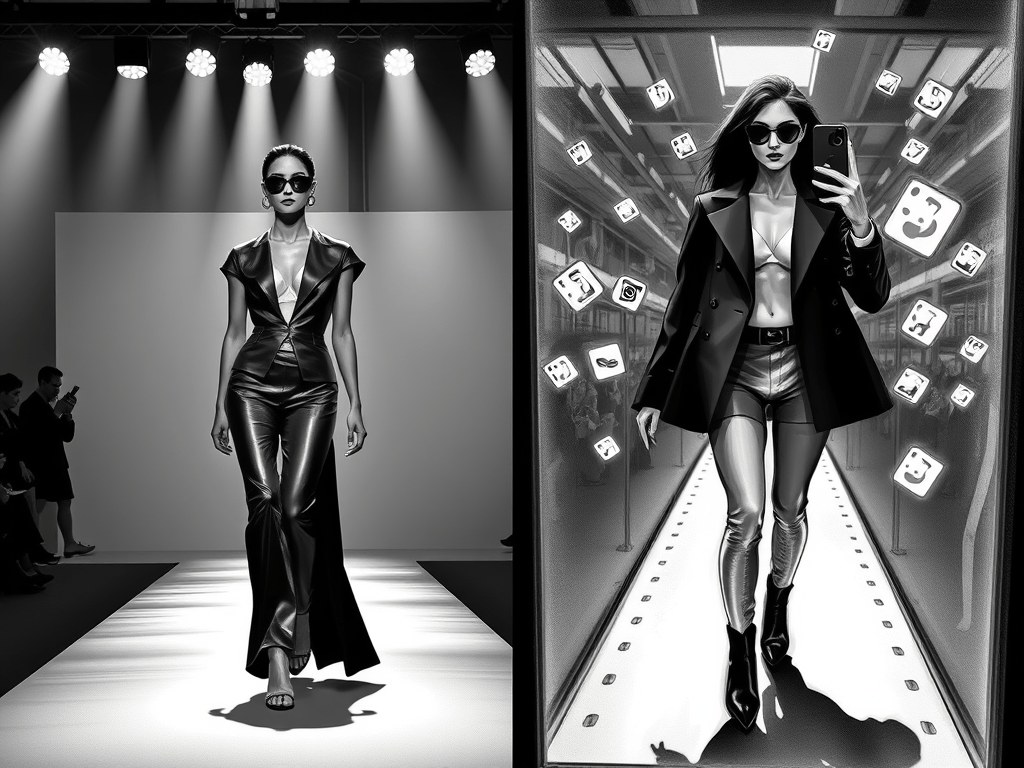
    An image depicting Fashion Nova’s transformation from a boutique to a global online powerhouse, blending physical retail with digital dominance.

    Fashion Nova’s Business Model: Speed, Affordability, and Trend Responsiveness

    At the heart of Fashion Nova’s success is a business model that prioritizes speedaffordability, and trend responsiveness. Unlike traditional fashion brands that operate on seasonal collections, Fashion Nova employs a strategy known as “see now, buy now.” This approach allows the brand to identify emerging trends through social media. It rapidly produces garments that capitalize on those trends, often within a matter of weeks. By streamlining its supply chain, Fashion Nova enhances its responsiveness. It ensures popular styles are available swiftly. In fact, Fashion Nova releases an average of 600 new styles per week (Source: Forbes). This staggering figure highlights its ability to stay ahead of the curve.

    This model is complemented by a pricing strategy that emphasizes accessibility. Fashion Nova’s products are often priced lower than those of competitors, making trendy fashion attainable for a broader audience. For example, dresses typically range from 20to20to50, while jeans are priced under $40 (Source: Fashion Nova). This deliberate approach to pricing drives higher sales volumes. It also fosters a sense of loyalty among customers who appreciate the affordability of stylish clothing. The brand’s commitment to providing value has positioned it as a leader in the fast-fashion market. Consumers increasingly seek trendy options without breaking the bank.

    Additionally, Fashion Nova has harnessed the power of data analytics to inform its business decisions. The brand can identify which products resonate most with its audience by analyzing consumer behavior. It also examines sales patterns and social media interactions. This data-driven strategy enhances inventory management. It also informs future collections. This approach ensures that the offerings align with customer preferences. For instance, Fashion Nova’s use of Instagram insights has helped it achieve a 300% year-over-year growth rate (Source: Business Insider). This level of insight allows Fashion Nova to stay ahead of the curve in an evolving industry. It reinforces its status as a formidable player in the fashion landscape.

    But what does this mean for the broader fashion industry? Stay tuned. We will explore the impact of Fashion Nova on the fashion industry. We’ll also examine how it’s reshaping the way we think about style and sustainability.
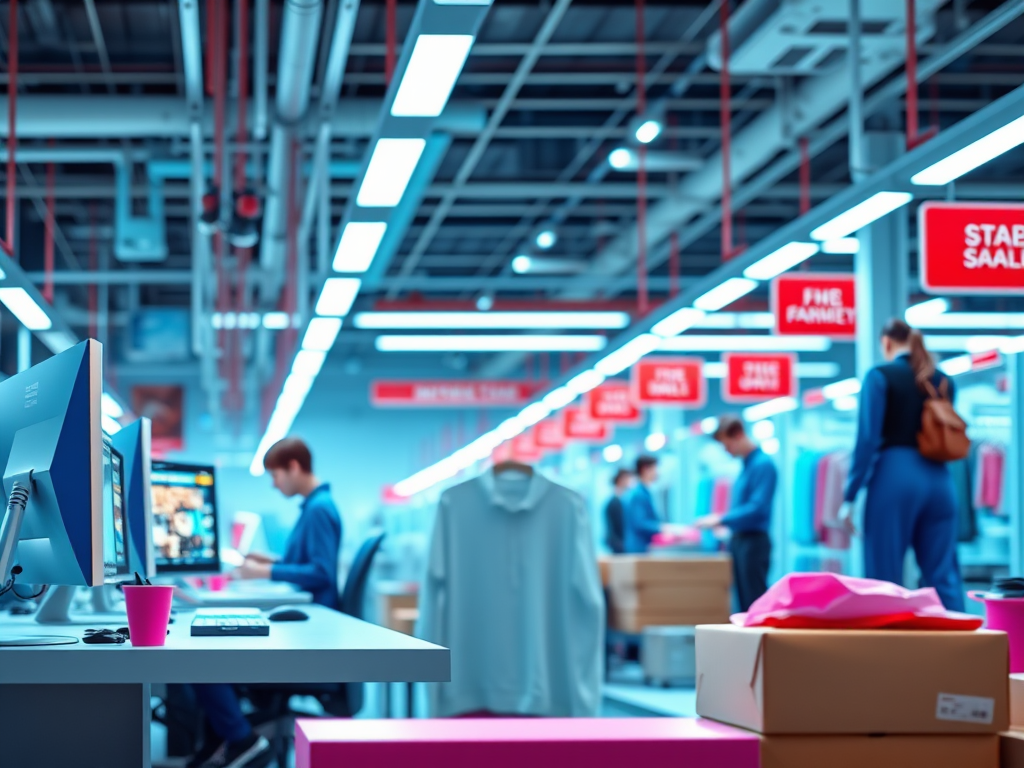
    An image illustrating Fashion Nova’s fast-paced business model, from trend analysis to rapid production and delivery.

    The Impact of Fashion Nova on the Fashion Industry: A Double-Edged Sword

    Fashion Nova has undeniably left an indelible mark on the fashion industry. It challenges conventional notions of how clothing is produced, marketed, and consumed. The brand epitomizes the fast-fashion model. It has reshaped consumer expectations regarding the speed at which new styles are available. It has also influenced the affordability of trendy apparel. This shift has prompted traditional retailers to reassess their own strategies. They often adopt faster turnaround times and create more accessible pricing structures to remain competitive. For example, Zara and H&M have reduced their design-to-retail cycles to just 2-3 weeks. This is a direct response to the pressure exerted by brands like Fashion Nova. (Source: McKinsey & Company)

    Moreover, Fashion Nova’s influence extends beyond its own sales figures. It has sparked conversations about the broader implications of fast fashion. The brand’s rapid production cycles have raised questions about sustainabilityethical labor practices, and the environmental impact of clothing production. As consumers become increasingly aware of these issues, many are starting to scrutinize the practices of fast-fashion retailers. This scrutiny prompts a necessary dialogue about the future of the industry. Fashion Nova’s visibility has made it a focal point in this conversation. It forces both consumers and brands to consider the consequences of their purchasing choices. In fact, fast fashion is responsible for 10% of global carbon emissions. This highlights the urgency of addressing these concerns. (Source: UN Environment Programme)

    Additionally, Fashion Nova has championed a new era of fashion democratization. In this era, trends are no longer dictated solely by high-end designers. The brand’s ability to swiftly turn runway looks into affordable pieces has empowered everyday consumers. They can engage with fashion in a more accessible way. This shift has opened the floodgates for aspiring designers. Smaller brands can leverage social media to showcase their creations. They can connect with a global audience. As a result, Fashion Nova’s impact is not just limited to its own growth. It has catalyzed a transformation in the fashion ecosystem. The brand encourages a more inclusive and diverse landscape where various voices can be heard.

    But with great influence comes great responsibility. Ready to explore the ethical concerns surrounding Fashion Nova and how they’re shaping the future of fast fashion? Let’s dive in!
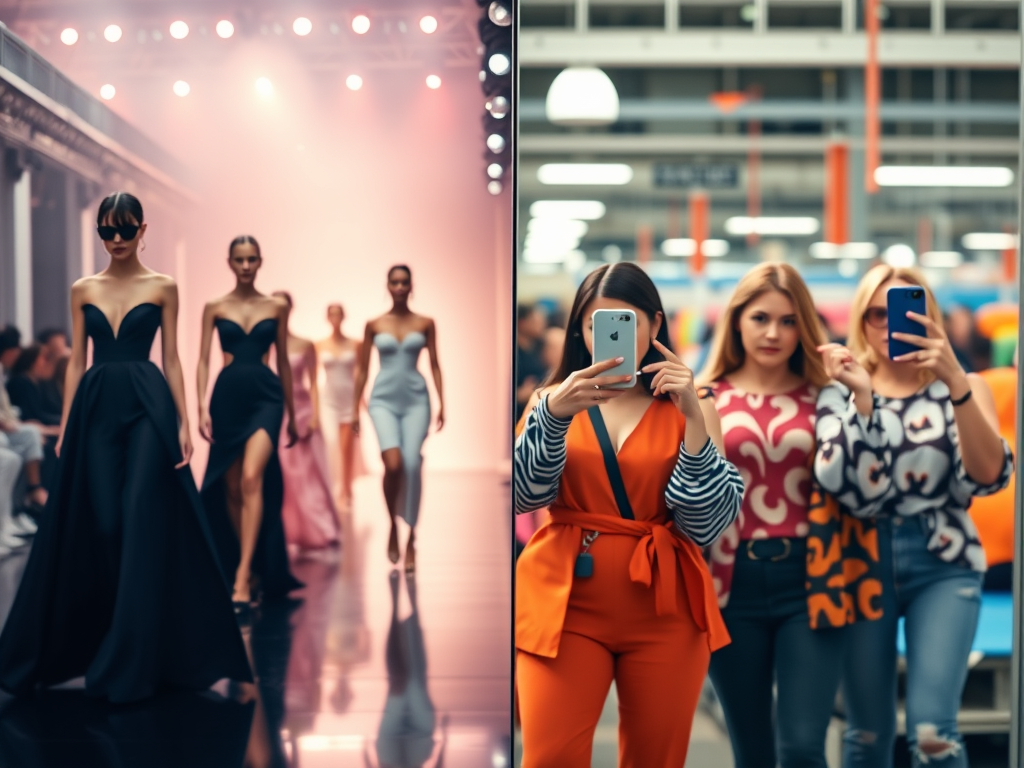
    A contrasting image of high-fashion runways and social media influencers in Fashion Nova, illustrating its mixed impact on the industry.

    Ethical Concerns Surrounding Fashion Nova: A Closer Look

    Despite its success, Fashion Nova has not escaped criticism, particularly regarding ethical concerns associated with its business practices. The fast-fashion model, characterized by rapid production and low prices, often raises alarms about labor conditions in the supply chain. Reports have surfaced alleging that some of Fashion Nova’s production partners do not adhere to fair labor practices. This raises questions about the treatment of workers and the conditions under which garments are produced. For instance, investigations have revealed that some workers in Fashion Nova’s supply chain earn as little as $2.77 per hour (Source: Los Angeles Times), far below the U.S. federal minimum wage. This scrutiny is part of a larger conversation about the ethical responsibilities of fashion brands in a globalized economy.

    The environmental impact of fast fashion is another significant concern. The production of clothing at such high volumes contributes to waste, pollution, and resource depletion. Critics argue that the culture of disposability is fostered by brands like Fashion Nova. It encourages consumers to treat clothing as temporary. This behavior leads to increased textile waste. In fact, the fashion industry produces 92 million tons of textile waste every year. This staggering figure underscores the urgency of addressing these issues (Source: Ellen MacArthur Foundation). As awareness grows, many consumers are demanding more transparency from brands. They seek clarity regarding sourcing and production processes. This demand is pushing companies toward greater accountability.

    In response to these concerns, Fashion Nova has made some efforts to improve its ethical standing. The brand has launched initiatives aimed at addressing sustainability and labor practices. These initiatives include commitments to reduce waste and explore more responsible sourcing options. For example, Fashion Nova has introduced recycled packaging and pledged to increase the use of eco-friendly materials in its collections. The effectiveness of these initiatives remains to be seen. The brand continues to face scrutiny from both consumers and advocacy groups. The fashion industry grapples with the implications of fast fashion. Fashion Nova’s journey is a critical case study. It highlights the quest for a more ethical approach. It also emphasizes the movement towards sustainable clothing production.

    But what does the future hold for Fashion Nova and the fast-fashion industry as a whole? Stay tuned as we explore the future of fast fashion and how brands can balance innovation with responsibility.

    An image depicting fast fashion waste and factory conditions, highlighting ethical concerns around Fashion Nova.

    Fashion Nova and Influencer Marketing: Redefining Brand Engagement

    Fashion Nova has mastered the art of influencer marketing. They leverage the power of social media to amplify their brand presence. This helps them connect with consumers. The brand collaborates with a diverse array of influencers—from micro-influencers to A-list celebrities. This collaboration has created a marketing strategy that resonates with a wide audience. These partnerships allow Fashion Nova to showcase its clothing in authentic settings. Influencers share their personal styles and experiences wearing the brand. This fosters a sense of trust and relatability among their followers. In fact, Fashion Nova’s influencer campaigns have contributed to a 600% increase in sales over three years. This statistic from (Source: Forbes) showcases the effectiveness of this approach.

    The brand’s approach to influencer marketing is particularly noteworthy for its emphasis on diversity and inclusivity. Fashion Nova collaborates with influencers of various body types. They come from different ethnicities and backgrounds. This reflects the brand’s commitment to representing a broad spectrum of consumers. This strategy not only enhances brand visibility. It also reinforces the message that fashion is for everyone. This encourages individuals to embrace their unique styles. For example, Fashion Nova’s #NovaBabe campaign features influencers of all sizes. This helps the brand reach over 1 billion impressions on Instagram (Source: Fashion Nova). By showcasing real people in their clothing, Fashion Nova has cultivated a community that celebrates individuality and self-expression.

    Moreover, Fashion Nova’s influencer marketing campaigns are characterized by their immediacy and engagement. The brand frequently hosts social media challenges. It also organizes giveaways and promotional events. These activities encourage influencers to share their experiences with their followers. This interactive approach fosters a sense of community among consumers and creates a buzz around new collections and product launches. For instance, Fashion Nova’s #NovaStyle challenge generated over 500,000 user-generated posts. Business Insider reported this. It demonstrates the power of its engagement-driven strategy. As a result, Fashion Nova has successfully positioned itself as a trend-driven brand. It is deeply connected to its audience. The brand effectively utilizes influencer partnerships to drive sales. This also fosters brand loyalty.

    But as the fashion industry evolves, so do the expectations for sustainability. Ready to explore how sustainability efforts are shaping the future of fashion? Let’s dive in!
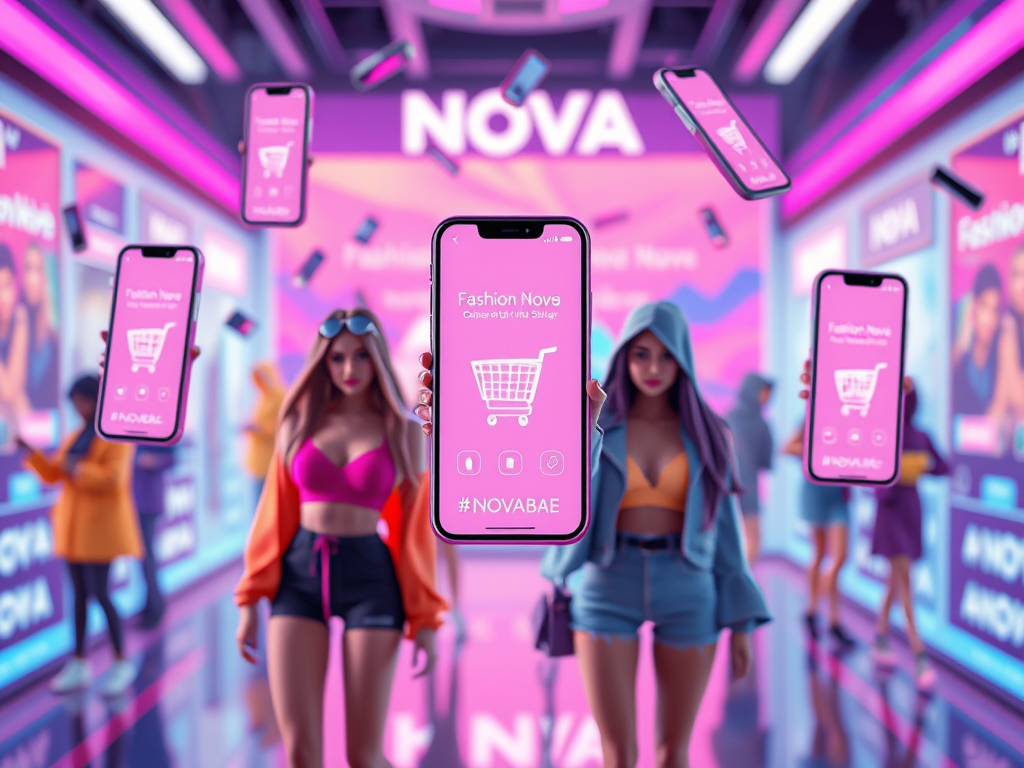
    A dynamic image showcasing influencers promoting Fashion Nova on social media, demonstrating the brand’s powerful marketing strategy.

    Sustainability Efforts in the Fashion Industry: A Path Forward

    The fashion industry faces mounting pressure to address sustainability. Many brands, including Fashion Nova, are beginning to explore initiatives aimed at reducing their environmental impact. The rise of consumer awareness about fast fashion’s consequences has had a major impact. It has prompted companies to rethink their production processes. They are reconsidering their material sourcing and overall sustainability strategies. As a result, numerous brands are now prioritizing eco-friendly practices, from using recycled materials to implementing more sustainable manufacturing techniques. For instance, the global market for sustainable fashion is projected to reach $10.1 billion by 2025 (Source: Statista), highlighting the growing demand for ethical alternatives.

    Fashion Nova has acknowledged the need for sustainability and has taken steps to align with this growing demand. The brand has launched collections that incorporate recycled fabrics and has explored partnerships with organizations dedicated to promoting sustainable practices. Fashion Nova has started addressing the issue of waste. They have implemented programs to minimize excess inventory. They also encourage recycling among consumers. For example, the brand introduced recycled packaging and pledged to increase the use of eco-friendly materials in its collections. These initiatives are a crucial first step. They aim to create a more sustainable business model. However, the effectiveness and transparency of these efforts remain under scrutiny.

    However, the journey toward sustainability is fraught with challenges. This is especially true for fast-fashion brands. These brands have built their business models on speed and low costs. Critics argue that the fundamental principles of fast fashion often conflict with sustainability’s values. This conflict creates a tension that is difficult to navigate. For example, fast fashion contributes to 20% of global wastewater. This is a stark reminder of the environmental toll of rapid production cycles. (Source: UN Environment Programme). As the industry evolves, brands like Fashion Nova need to implement eco-friendly practices. They must also engage in meaningful conversations about sustainability in fast fashion. The pressure to balance profitability with ethical responsibility is significant. It will shape the future of the industry. Consumers continue to demand greater accountability from the brands they support.

    But what does the future hold for fast fashion, and how will Fashion Nova adapt to these challenges? Stay tuned as we explore the future of fast fashion and Fashion Nova’s role in shaping a more sustainable industry.

    An image highlighting sustainable fashion, featuring eco-friendly clothing and green manufacturing practices.

    The Future of Fast Fashion: Fashion Nova’s Role in a Changing Industry

    The future of fast fashion is a topic of intense debate. Industry stakeholders grapple with the implications of rapid production and consumption. Fashion Nova is a leading player in this space. It will undoubtedly influence the trajectory of the fast-fashion landscape. As consumers increasingly prioritize sustainabilityethical practices, and transparency, brands must adapt to these changing expectations in order to thrive. Fashion Nova’s response to these challenges will be crucial in determining its long-term relevance and success.

    One potential avenue for Fashion Nova’s future is the continued exploration of sustainable practices. The brand has already begun implementing eco-friendly initiatives. It will further invest in innovative materials. Sustainable sourcing and waste reduction strategies can also be key areas of investment. The global market for sustainable textiles is expected to grow by 10% annually through 2030. This growth presents a significant opportunity for Fashion Nova to lead the charge (Source: Grand View Research). By prioritizing sustainability, Fashion Nova will enhance its reputation. It will also appeal to a growing demographic of environmentally conscious consumers. These consumers seek out brands that align with their values. This shift represents a pivotal turning point for the brand, allowing it to redefine its identity within the fast-fashion industry.

    Additionally, Fashion Nova’s role in the evolving landscape of consumer behavior cannot be underestimated. The brand’s ability to engage with consumers through social media is significant. It uses influencer marketing to change the way fashion is marketed. This strategy has already transformed how fashion is consumed. As technology continues to advance, Fashion Nova can leverage new platforms and tools. This will enhance its connection with customers. They aim to create personalized shopping experiences that cater to individual preferences. For example, 73% of consumers prefer brands that personalize their shopping experiences. McKinsey & Company‘s research highlights the importance of innovation in customer engagement. By embracing these advancements, Fashion Nova can remain relevant. It can succeed in an increasingly competitive market. This ensures that it meets the demands of a diverse and discerning consumer base.

    In conclusion, the future of fast fashion is to be shaped by brands like Fashion Nova. These brands are willing to adapt and innovate in response to consumer expectations. The ongoing dialogue surrounding sustainability, ethical practices, and inclusivity will continue to influence the industry. Fashion Nova’s ability to navigate these complexities will determine its place in the fashion landscape. As the brand evolves, it has the potential to redefine what fast fashion means in a rapidly changing world.

    But how does Fashion Nova compare to traditional fashion brands? Stay tuned as we explore Fashion Nova vs. Traditional Fashion Brands and uncover the key differences that set them apart.
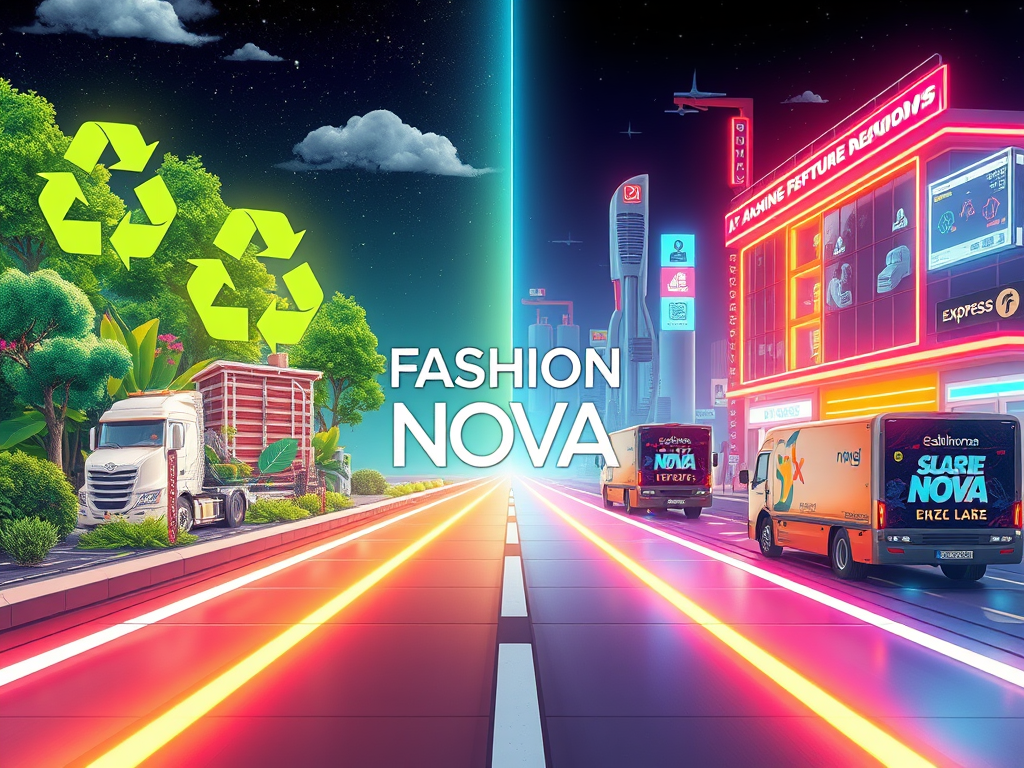
    A futuristic image showing the two possible futures of fast fashion—sustainability or continued mass production—with Fashion Nova at the center.

    Fashion Nova vs. Traditional Fashion Brands: A Clash of Models

    The emergence of Fashion Nova has prompted a reevaluation of the dynamics between fast fashion and traditional fashion brands. Established fashion houses often operate on longer timelines. They focus on seasonal collections and couture craftsmanship. In contrast, Fashion Nova’s model is characterized by speed and accessibility. This fundamental difference has altered consumer expectations. It has also forced traditional brands to reconsider their strategies to remain competitive. Fashion Nova releases an average of 600 new styles per week (Source: Forbes). This frequency is a stark contrast to traditional brands that release only a few collections annually.

    Fashion Nova’s rapid production cycles are a key factor in its democratization of fashion. Its direct-to-consumer approach allows consumers to access the latest trends at a fraction of the cost of traditional brands. This shift has led to a growing divide in the industry. Consumers increasingly prioritize affordability and immediacy. They prioritize these over luxury and exclusivity. Traditional brands have adopted faster design processes. They have also incorporated more accessible price points. However, the challenge remains: can they compete with a brand that has built its identity around speed and affordability? For instance, Fashion Nova’s average dress price is $35. This is compared to $200+ for many traditional brands (Source: Fashion Nova), highlighting the stark price difference.

    Moreover, Fashion Nova’s success has highlighted a broader cultural shift toward inclusivity and representation in fashion. Traditional brands have often been criticized for their lack of diversity in sizing and marketing. In contrast, Fashion Nova has made strides in showcasing a wide range of body types and identities. This approach resonates with consumers. It also sets a new standard for what representation looks like in the industry. For example, Fashion Nova’s #NovaBabe campaign features influencers of all sizes. This helps the brand reach over 1 billion impressions on Instagram (Source: Fashion Nova). As a result, traditional fashion brands face increasing pressure. They must embrace inclusivity and adapt their marketing strategies. This adaptation aligns with changing consumer values.

    But how do consumers really perceive Fashion Nova? Stay tuned as we explore consumer perception of Fashion Nova and what it means for the future of the brand.

    A contrasting image of a high-fashion model and a social media influencer, symbolizing the battle between traditional fashion and Fashion Nova’s fast-fashion model.

    How Consumers Really Feel About Fashion Nova: Love, Criticism, and Everything in Between

    Consumer perception of Fashion Nova is a multifaceted topic that reflects the complexities of modern fashion consumption. For many, the brand is synonymous with trendyaffordable clothing that allows for self-expression and individuality. The accessibility of Fashion Nova’s styles has grown a loyal customer base. These customers appreciate the brand’s ability to deliver the latest trends without a hefty price tag. The brand actively engages on social media. Consumers can see real people wearing Fashion Nova. They find inspiration for their own outfits. In fact, Fashion Nova’s Instagram account has over 20 million followers. It is one of the most influential fashion brands on the platform.

    However, the perception of Fashion Nova is not universally positive. Critics often point to the ethical concerns surrounding fast fashion, including labor practices and environmental impact. Some consumers feel uncomfortable participating in a system that prioritizes speed and low costs. They believe it comes at the expense of ethical considerations. For example, fast fashion is responsible for 10% of global carbon emissions. This statistic has led many to question the sustainability of brands like Fashion Nova. (Source: UN Environment Programme) This tension creates a nuanced landscape. Fashion Nova is celebrated for its inclusivity and trendiness. It is simultaneously scrutinized for its role in the fast-fashion industry.

    Consumers are becoming more informed about the implications of their purchasing decisions. Many are beginning to seek out brands that align with their values. This shift has prompted Fashion Nova to address its ethical standing. They are exploring sustainability initiatives, such as using recycled materials and reducing waste. However, the effectiveness of these efforts remains a point of contention. For instance, only 12% of consumers believe fast-fashion brands are genuinely committed to sustainability. This highlights the skepticism surrounding such initiatives (Source: McKinsey & Company). Ultimately, consumer perception of Fashion Nova will keep changing. The brand faces the complexities of the fashion landscape. They must balance the demand for trendy clothing with the responsibility of upholding ethical practices and sustainability.

    But what does Fashion Nova’s journey mean for the broader fashion industry? Stay tuned as we conclude with an exploration of Fashion Nova’s influence on the fashion landscape.

    A visual representation of consumer opinions on Fashion Nova, featuring social media reviews and mixed emotions about the brand.

    Fashion Nova’s Influence on the Fashion Landscape

    In conclusion, Fashion Nova’s influence on the fashion landscape is profound and multifaceted. The brand has disrupted traditional notions of fashion retail. It has also sparked essential conversations about sustainabilityethics, and representation in the industry. As a leader in the fast-fashion space, Fashion Nova must adapt to changing consumer expectations. This adaptability will play a crucial role in defining the future of fashion.

    The brand’s commitment to inclusivity and trend responsiveness has resonated with a diverse audience. This showcases the power of social media and influencer marketing in shaping consumer behavior. For instance, Fashion Nova’s Instagram campaigns have reached over 1 billion impressions (Source: Fashion Nova). This highlights its unparalleled ability to connect with consumers. However, we cannot overlook the ethical challenges associated with fast fashion. Fashion Nova’s ongoing journey toward greater accountability will be crucial. Its commitment to sustainability will determine its legacy.

    Ultimately, as the fashion industry continues to evolve, Fashion Nova stands at the crossroads of innovation and responsibility. The brand’s ability to balance affordability with ethical practices will shape its future. It will also influence the broader trajectory of the fast-fashion sector. As consumers become increasingly aware of their impact on the planet and society, their expectations from brands increase. Fashion Nova’s role in this dialogue will be instrumental. It will help shape the future of fashion.

    If you love Fashion Nova’s trendy and affordable styles, you’ll also adore the curated collection at Saflore. Saflore offers chic dresses and statement accessories. You can find fashion-forward pieces that let you express your unique style. Best of all, it won’t break the bank. Explore the latest trends and find your next favorite outfit today!

    A bold cityscape showing Fashion Nova’s influence through billboards, social media, and trendy streetwear styles.
  • How to Spot High-Quality Clothing While Shopping Online

    How to Spot High-Quality Clothing While Shopping Online

    Step into the world of online shopping and unlock the secrets to discovering premium clothing gems effortlessly. In a sea of endless options, you must master the art of identifying high-quality pieces. This skill sets the fashion-savvy apart. From luxurious fabrics to impeccable craftsmanship, every detail matters when curating a wardrobe that exudes class and sophistication.

    Navigating through the digital realm of fashion can be overwhelming, but fear not. With the right insights and guidance, you can elevate your online shopping experience to new heights. Join us on a journey. We decode the nuances of premium clothing selection. We empower you to make informed choices. Build a collection that truly reflects your style and personality.

    Get ready to sift through the virtual racks with discerning eyes. Uncover hidden treasures that speak to your unique taste. Whether you’re a seasoned trendsetter or a novice explorer, our expert tips will provide you with the necessary tools. You’ll be able to spot those coveted fashion finds effortlessly.

    Understanding the online shopping landscape for premium clothing

    In recent years, the online shopping landscape for premium clothing has evolved dramatically, offering consumers an unprecedented array of choices. This shift has been fueled by the rise of e-commerce platforms that cater specifically to high-end fashion. As a result, shoppers can explore collections from top designers. They can also browse boutique brands without leaving the comfort of their homes. This convenience, however, comes with its own set of challenges. With so many options available, discerning premium quality from mass-produced items can become a daunting task.

    The online marketplace is filled with various brands, each vying for attention with eye-catching visuals and enticing promotions. To successfully navigate this environment, it’s essential to understand the nuances of premium clothing. Unlike fast fashion, premium apparel is often characterized by superior materials, meticulous craftsmanship, and thoughtful design. Shoppers need to educate themselves about these elements to make informed purchasing decisions. This knowledge will empower you to sift through the noise and focus on pieces that truly represent quality and style.

    Moreover, the online shopping experience is not solely about individual items; it encompasses the entire brand ethos. Premium clothing brands often prioritize sustainability, ethical production practices, and transparency in their supply chains. As you explore various online platforms, take the time to research the values and missions behind the brands. This understanding enhances your shopping experience. It aligns your purchases with your personal values. This ultimately leads to a more satisfying and meaningful wardrobe.

    Factors to consider when identifying premium clothing

    When it comes to identifying premium clothing, several key factors stand out. These factors can help you differentiate high-quality pieces from lower-end alternatives. First and foremost, the fabric used in the garment plays a crucial role in its overall quality. Premium clothing is often made from natural fibers such as silk, cashmere, linen, and high-grade cotton. These materials not only feel luxurious against the skin but also are more durable over time. When browsing online, pay close attention to the fabric descriptions provided by the retailer. They can offer valuable insights into the quality of the item.

    Another important factor is the construction and detailing of the clothing. Premium garments often feature precise stitching, reinforced seams, and thoughtful design elements that enhance both form and function. Look for details such as lining, finishing touches, and hardware quality. For example, well-made jackets may have a full lining, while higher-end dresses will typically feature intricate seaming techniques. These details may seem minor, but they can significantly impact the longevity and aesthetic appeal of the piece.

    Lastly, consider the fit and sizing options available. Premium clothing brands often offer a wider range of sizes and more tailored fits than their fast fashion counterparts. Many high-end retailers also provide detailed sizing charts and fit guides to help you make the right choice. A well-fitting garment not only looks better but also enhances your confidence. When shopping online, take the time to read customer reviews regarding fit and sizing. They can provide valuable information about how the clothing will look and feel on you.

    Quality vs. quantity: Choosing the right pieces

    In the world of fashion, the age-old adage of “quality over quantity” is especially relevant. This is particularly true when it comes to premium clothing. Do not succumb to the temptation of purchasing numerous lower-quality items. Focusing on a few high-quality pieces can significantly elevate your wardrobe. Investing in fewer, well-made garments allows you to create a versatile and timeless collection. It can be worn across various occasions. This approach not only saves you money in the long run but also promotes a more sustainable fashion lifestyle.

    When selecting pieces, consider your personal style and the versatility of each item. Opt for classic silhouettes and neutral colors that can be easily mixed and matched with other items in your wardrobe. For example, a tailored blazer can be dressed up for a formal event. It can also be paired with jeans for a casual outing. By choosing versatile pieces, you maximize the potential of your wardrobe while ensuring that each item receives ample wear.

    Additionally, take the time to evaluate the longevity of the garments you are considering. High-quality clothing is designed to withstand the test of time, both in terms of style and durability. Look for timeless designs that will not succumb to fleeting trends. This strategic approach reduces the clutter in your closet. It fosters a more intentional and thoughtful way of shopping. Ultimately, it enhances your overall style and confidence.

    Tips for spotting authentic premium clothing online

    Spotting authentic premium clothing online requires a keen eye and a bit of research. Start by familiarizing yourself with reputable brands known for their commitment to quality. Many established designers and luxury brands have a distinct aesthetic and signature features that can help you recognize their garments. Once you know what to look for, you can more easily identify authentic pieces among the multitude of online offerings.

    One effective strategy for ensuring authenticity is to scrutinize product descriptions and images closely. High-quality retailers will provide detailed information about the materials, craftsmanship, and care instructions for each garment. Look for clear, high-resolution images that showcase the item from multiple angles. Authentic premium clothing should exhibit a level of detail that reflects its quality. This includes close-ups of fabric textures. It should also show stitching and any unique design elements. If the images are blurry or the descriptions are vague, it may be a red flag.

    Lastly, customer reviews and ratings can provide valuable insights into the authenticity and quality of the clothing. Take the time to read through feedback from other shoppers. Pay close attention to comments about fit, fabric quality, and overall satisfaction. If a product has numerous positive reviews highlighting its premium features, it’s likely a worthwhile investment. Be cautious of items with no reviews. A high number of negative comments may indicate a lack of authenticity or quality.

    Navigating popular online platforms for premium clothing

    The internet is full of online platforms that specialize in premium clothing. Each one offers its own unique selection and shopping experience. Some platforms focus on established luxury brands, while others curate collections from emerging designers. Familiarizing yourself with these platforms can help you discover hidden gems and exclusive pieces that align with your personal style.

    Net-a-Porter is one of the most well-known platforms for luxury shopping. It features a curated selection of high-end fashion from top designers. The website provides a seamless shopping experience, complete with detailed product descriptions and styling suggestions. Another popular option is Farfetch. It connects shoppers with boutiques from around the world. Farfetch offers a diverse range of premium clothing options. Exploring these platforms can broaden your horizons and introduce you to brands that may not be available in your local market.

    Additionally, consider exploring online marketplaces like Etsy and Depop, which offer unique vintage and artisanal clothing. These platforms allow you to find one-of-a-kind pieces that can add character to your wardrobe. Shopping on these sites requires a bit more diligence, as the quality and authenticity of items can vary. However, with a discerning eye and the right knowledge, you can uncover truly exceptional clothing gems that reflect your individuality.

    How to assess the value of premium clothing items

    Assessing the value of premium clothing items involves more than just looking at the price tag. Understanding the factors that contribute to a garment’s worth can help you make informed purchasing decisions. Start by considering the brand’s reputation and heritage. Well-established brands with a long history of craftsmanship and quality often command higher prices due to their commitment to excellence. Research the brand’s background, ethos, and production methods to gauge its value in the fashion landscape.

    Another critical aspect to consider is the material composition of the clothing. Premium fabrics such as silk, wool, and high-quality cotton typically carry a higher price. They are valued for their superior durability. Their appearance also adds to their value. Additionally, garments made from sustainable or ethically sourced materials often come at a premium. This reflects the growing consumer demand for responsible fashion. Take the time to read product descriptions and labels carefully. This will help you understand the fabric content. It will also reveal the processes involved in its production.

    Lastly, consider the garment’s versatility and potential for longevity. A well-made piece that can be styled in multiple ways offers greater value. It withstands changing trends. This makes it better than a trend-driven item that may quickly fall out of favor. Evaluate how the piece can be integrated into your existing wardrobe and whether it aligns with your lifestyle. By taking all these factors into account, you can more accurately assess the true value of premium clothing. This approach helps you make purchases that are both satisfying and wise.

    Investing in timeless pieces for your wardrobe

    Investing in timeless pieces is a strategic approach to building a premium wardrobe that stands the test of time. Timeless garments are characterized by their classic designs, high-quality materials, and versatility. Examples include a well-tailored blazer, a little black dress, or a pair of elegant leather shoes. These items go beyond seasonal trends. They can be worn across various occasions. This ensures that you get the most wear out of your investment.

    When selecting timeless pieces, prioritize quality over brand names. Certain luxury brands are known for their iconic items. However, the essence of timeless fashion lies in the garment’s design and construction. Focus on finding pieces that resonate with your style and can be easily paired with other items in your wardrobe. For example, a classic trench coat can elevate any outfit. A structured handbag can add sophistication to even the simplest ensembles.

    Moreover, consider the longevity of the pieces you choose. High-quality clothing that is well-cared for can last for years, making it a more sustainable choice in the long run. Invest in quality care products to maintain your garments, such as gentle detergents, fabric shavers, and proper storage solutions. By treating your timeless pieces with care, you ensure they remain staples in your wardrobe. They will provide both style and value for years to come.

    Online resources for learning more about premium clothing

    To elevate your understanding of premium clothing, several online resources can provide valuable insights and information. Fashion blogs, websites, and social media channels dedicated to high-end fashion often feature articles, reviews, and styling tips. These resources can enhance your shopping experience. Sites like Vogue, The Business of Fashion, and Who What Wear offer expert commentary on trends. They cover brands and industry news, giving you a well-rounded perspective on premium fashion.

    Online courses and workshops focused on fashion design, textile knowledge, and personal styling can provide in-depth education. They help in identifying quality clothing. Platforms such as MasterClass and Skillshare offer classes taught by industry professionals that cover various aspects of fashion. Participating in these learning opportunities can deepen your appreciation for premium clothing. They can help you develop a more discerning eye when shopping online.

    Lastly, online forums and communities dedicated to fashion enthusiasts can serve as valuable resources for sharing experiences and recommendations. Websites like Reddit have dedicated fashion subreddits. Users discuss their favorite brands, share tips, and seek advice on premium shopping in these subreddits. Engaging with these communities can enhance your knowledge. It also helps you connect with like-minded individuals who share your passion for quality fashion.

    Elevating your online shopping experience for premium clothing

    Mastering the art of identifying premium clothing gems online is an empowering journey. It can transform your wardrobe and personal style. By understanding the online landscape, you can make informed purchasing decisions. Recognize the factors that contribute to premium quality. Invest in timeless pieces to reflect your unique taste.

  • Fast Fashion vs Slow Fashion: Who Will Win by 2025?

    Fast Fashion vs Slow Fashion: Who Will Win by 2025?

    In a world where style meets sustainability, the battle between fast fashion and slow fashion is more prominent than ever. Fast Fashion vs. Slow Fashion: What Will Win in 2025? dives into the trends shaping the fashion industry’s future. As consumers become more conscious of their purchasing habits, the fashion landscape is undergoing a significant shift. Will fast fashion giants keep dominating with their quick turnover and affordable prices? Or will the slow fashion movement gain momentum with its focus on quality and ethical production? Join us as we explore the strategies, innovations, and consumer sentiments that will decide the ultimate champion by 2025. Which side are you on? Let the showdown start!

    The environmental impact of fast fashion

    Fast fashion has revolutionized the clothing industry by making trendy clothing accessible and affordable for a broad audience. Yet, this rapid production and consumption cycle has significant environmental consequences that can’t be overlooked. One of the most pressing issues is the immense waste generated by fast fashion. It is estimated that approximately 92 million tons of textile waste are produced globally each year. A large part comes from discarded clothing that consumers wear just a few times before tossing aside. Fast fashion brands often prioritize speed over sustainability in their production methods. This approach leads to a linear economy. Such an economy neglects recycling and waste management.

    Moreover, the environmental footprint of fast fashion extends beyond waste generation. The manufacturing processes are typically water-intensive, consuming around 2,700 liters of water to produce a single cotton shirt. This excessive water usage contributes to the depletion of local water resources, affecting communities and ecosystems alike. Additionally, the dyes and chemicals used in textile production pollute waterways, harming aquatic life and contaminating drinking water sources. The fashion industry is one of the largest polluters in the world. The environmental damage caused by fast fashion is an urgent issue. It requires immediate attention.

    Another critical aspect to consider is the carbon emissions associated with fast fashion. The industry generates an estimated 1.2 billion tons of greenhouse gases annually, a figure that continues to climb as consumer demand for cheap clothing rises. The transportation of garments from factories to retailers and ultimately to consumers adds to this carbon footprint, exacerbating climate change. As awareness of these environmental impacts grows, there is an increasing call for sustainable practices within the industry. The challenge is to shift consumer behavior. We must also encourage brands to adopt eco-friendly practices that mitigate the environmental damage caused by fast fashion.

    Photo by Twiggy Jia: https://www.pexels.com/photo/colorful-garbage-bags-in-pile-8800289/

    Ethical considerations in slow fashion

    The slow fashion movement emphasizes ethical considerations that often contrast sharply with the practices of fast fashion. Slow fashion is committed to fair labor practices. It prioritizes the well-being of workers throughout the production process. Many fast fashion brands rely on cheap labor in developing countries. Workers in these places often endure poor working conditions. They face long hours and insufficient wages. In contrast, slow fashion advocates for transparency and accountability in the supply chain. It ensures that workers are treated with dignity and respect. This shift supports fair labor practices. It also fosters a sense of community and craftsmanship. This is often lost in the fast fashion industry.

    In addition to labor rights, slow fashion also addresses the ethical implications of consumerism. The movement encourages consumers to make mindful purchasing decisions, focusing on quality over quantity. This approach advocates for fewer, but more meaningful, purchases that align with personal values and sustainability goals. By promoting a lifestyle of intentionality and longevity, slow fashion seeks to combat the throwaway culture perpetuated by fast fashion. Consumers are encouraged to invest in timeless pieces that will last for years. They should avoid succumbing to the constant churn of new trends and fleeting styles.

    Furthermore, the slow fashion movement often champions local artisans and small businesses, emphasizing the importance of supporting local economies. By prioritizing handmade and locally sourced garments, consumers can help sustain traditional crafts and promote a more equitable fashion ecosystem. This commitment to ethical consumption benefits workers. It also fosters a greater connection between consumers and the products they choose to support. More individuals are becoming aware of the ethical implications of their fashion choices. The slow fashion movement is poised to gain traction. It will influence the future of the industry.

    Consumer trends in the fashion industry

    We are navigating through the changing landscape of the fashion industry. Consumer trends play a pivotal role in shaping its future. One of the most significant shifts is the increasing demand for transparency and sustainability. Consumers are becoming more informed about the origins of their clothing. They understand the impact their purchasing decisions have on the environment and society. This shift has led to a growing preference for brands that disclose their supply chain practices. Consumers also prefer brands that demonstrate a commitment to ethical production. As a result, companies that prioritize sustainability gain a competitive advantage. Consumers favor brands that align with their values.

    Additionally, there is a noticeable trend towards minimalism and capsule wardrobes. Many consumers are embracing a less-is-more philosophy. They are opting to curate their closets with versatile, high-quality pieces. They prefer this approach instead of amassing a large collection of clothing. This trend reflects a desire for simplicity and intentionality in fashion choices. It allows individuals to express their style without contributing to the overconsumption associated with fast fashion. At Saflore, we embrace this movement. We offer carefully curated fashion essentials that blend timeless style with quality craftsmanship. This makes it easier for women to build a wardrobe that is both stylish and sustainable. More people recognize the benefits of a simplified wardrobe. This trend is likely to continue growing. It will further challenge the fast fashion model.

    Social media also plays a crucial role in influencing consumer behavior within the fashion industry. Platforms like Instagram and TikTok have become powerful tools for brand promotion and consumer engagement. Influencers often showcase sustainable brands and ethical fashion choices, encouraging their followers to make conscious purchasing decisions. This digital landscape has changed how consumers discover fashion. It has also changed how they engage with fashion, creating a more informed and socially conscious audience. As consumers increasingly seek authenticity and values-driven brands, they demand genuine connections. The influence of social media will undoubtedly shape the future of fashion in the years to come.

    Photo by  Anastasia  Shuraeva: https://www.pexels.com/photo/clothes-and-high-heel-shoes-inside-a-closet-5704839/

    The rise of sustainable fashion

    Sustainable fashion has emerged as a powerful response to the challenges posed by fast fashion, gaining momentum in recent years. This movement is characterized by a commitment to environmentally friendly practices, ethical labor standards, and innovative production techniques. One of the key aspects of sustainable fashion is the emphasis on using eco-friendly materials. Brands are increasingly turning to organic cotton, recycled fabrics, and alternative materials. These materials, such as Tencel and hemp, have a lower environmental impact compared to conventional textiles. By prioritizing these sustainable materials, the fashion industry can reduce its reliance on harmful practices. It can also contribute to a healthier planet. At Saflore, we recognize the importance of this shift. We strive to offer stylish, high-quality pieces that align with eco-conscious values. This helps women make fashion choices that are both trendy and responsible.

    Moreover, sustainable fashion promotes circularity. This model seeks to minimize waste by keeping products in use for as long as possible. This approach encourages brands to design with longevity in mind, creating garments that are durable and timeless. Initiatives like clothing rental services are gaining traction. Resale platforms and recycling programs are also gaining popularity. Consumers are seeking alternatives to traditional ownership. By embracing the circular economy, the fashion industry can mitigate waste. It can promote a more sustainable model of consumption. This challenges the throwaway culture perpetuated by fast fashion.

    The rise of sustainable fashion is also mirrored in consumer behavior. As awareness of social and environmental issues increases, consumers are actively seeking brands that align with their values. Many individuals are willing to invest in higher-priced items. They do so if they know that those pieces are ethically produced and environmentally friendly. This shift in consumer sentiment has prompted established brands to reevaluate their practices. Brands are adapting to the growing demand for sustainability. The movement continues to gain momentum. It is clear that sustainable fashion is not just a passing trend. It represents a fundamental change in the way we approach clothing and consumption.

    Photo by Thirdman  : https://www.pexels.com/photo/a-person-in-white-crew-neck-t-shirt-with-printed-message-7655618/

    Predicting the future of fast fashion

    Looking ahead, the future of fast fashion appears to be at a crossroads. The industry has enjoyed significant growth over the past few decades. However, mounting pressure from consumers and environmental advocates may force a reevaluation of its practices. Fast fashion brands must adapt to the changing landscape by integrating sustainable practices into their business models. This could mean investing in eco-friendly materials, improving supply chain transparency, and adopting circular economy principles. Fast fashion retailers must respond to this shift. Otherwise, they risk alienating a growing segment of consumers. Many consumers prioritize sustainability and ethical production.

    Moreover, technological advancements may play a crucial role in shaping the future of fast fashion. Innovations such as artificial intelligence and data analytics can help brands anticipate trends. They can streamline production processes, potentially reducing waste. These innovations also improve efficiency. Additionally, advancements in fabric technology may lead to more sustainable alternatives. These alternatives can maintain the affordability and accessibility that consumers expect from fast fashion. As brands embrace these technological changes, they may find ways to balance speed and sustainability. This could ultimately reshape the perception of fast fashion in a more positive light.

    However, the inherent nature of fast fashion—characterized by rapid turnover and disposable culture—poses significant challenges in achieving true sustainability. As the industry continues to evolve, the question remains. Can fast fashion successfully transition to a model that prioritizes ethical practices? Can it do so without sacrificing its core principles? The coming years will undoubtedly reveal whether fast fashion can adapt to the demands of conscious consumers. It is also uncertain if it will struggle to survive. The market is increasingly competitive, favoring slow fashion and sustainability.

    Photo by Ron Lach : https://www.pexels.com/photo/woman-inside-a-closet-8455167/

    Predicting the future of slow fashion

    As we look toward the future, the prospects for slow fashion appear promising. With growing consumer awareness surrounding the ethical implications of fashion, the slow fashion movement stands to gain traction in the coming years. This shift is characterized by a collective desire for transparency, quality, and sustainability, which resonates with a wide range of consumers seeking to make more informed purchasing decisions. As individuals become increasingly aware of the environmental and social consequences of their choices, the demand for slow fashion will likely continue to rise, further challenging the dominance of fast fashion.

    One of the key factors that will influence the future of slow fashion is the growing emphasis on storytelling and brand authenticity. Consumers are increasingly drawn to brands that convey a narrative centered around their values, craftsmanship, and ethical practices. This trend encourages slow fashion brands to highlight their unique stories, connecting with consumers on a deeper level. By fostering a sense of community and shared values, these brands can cultivate loyal customer bases that prioritize sustainability and ethical production over mere trends and low prices.

    Furthermore, the integration of technology into the slow fashion movement will be crucial for its evolution. E-commerce platforms that highlight ethical brands are becoming more prevalent. They make it easier for consumers to access slow fashion options. Social media will continue to play a significant role in promoting and amplifying slow fashion narratives. It allows brands to reach wider audiences. It also helps engage with like-minded individuals. As these technological advancements unfold, the future of slow fashion is set to flourish, driving a cultural shift toward more conscious consumption and a reevaluation of our relationship with clothing.

    Photo by cottonbro studio: https://www.pexels.com/photo/woman-in-red-long-sleeve-dress-sitting-on-chair-using-sewing-machine-3738086/

    Key players in the fast fashion industry

    The fast fashion industry is dominated by several key players who have shaped the landscape of affordable and trendy clothing. Brands such as Zara, H&M, and Forever 21 have become synonymous with fast fashion, known for their ability to quickly replicate runway trends and deliver them to stores at affordable prices. These companies have perfected the art of rapid production, often introducing new collections on a weekly basis to keep consumers engaged and coming back for more. Their business models prioritize volume and speed, allowing them to capitalize on fleeting trends and consumer demand.

    However, the rise of e-commerce has further transformed the fast fashion landscape. Online retailers like ASOS and Boohoo have gained popularity by providing a vast array of styles at competitive prices, catering to the growing demand for convenience and instant gratification. These platforms often leverage social media marketing and influencer partnerships to reach younger audiences, capitalizing on the viral nature of fashion trends. While these brands have redefined fast fashion for the digital age, they also face scrutiny for their environmental impact and ethical practices.

    Additionally, the emergence of “ultra-fast fashion” brands, such as Shein, has taken the industry by storm, pushing the boundaries of speed and affordability. These companies operate with a business model that focuses on extremely low prices and rapid turnover, often resulting in a staggering number of styles introduced each week. While this model attracts consumers seeking cheap, trendy clothing, it raises significant concerns regarding sustainability and ethical labor practices. As the fast fashion industry continues to evolve, the actions of these key players will play a crucial role in shaping the future landscape of fashion, particularly in light of growing consumer demands for sustainability and ethical practices.

    Key players in the slow fashion movement

    The slow fashion movement comprises a diverse array of brands and designers committed to sustainability, ethical production, and quality craftsmanship. One notable player is Eileen Fisher, a brand that has long been a pioneer in sustainable fashion. Known for its timeless designs and commitment to using organic and recycled materials, Eileen Fisher emphasizes transparency in its supply chain and prioritizes fair labor practices. The brand’s initiative to promote circularity through its recycling program exemplifies its dedication to reducing waste and fostering a more sustainable fashion ecosystem.

    Another influential player in the slow fashion movement is Reformation, a brand that combines style with sustainability. Reformation is lauded for its eco-friendly practices, utilizing sustainable materials and production methods while keeping a finger on the pulse of current trends. The brand’s transparency in sharing its environmental impact through detailed metrics resonates with consumers who prioritize ethical consumption. Reformation’s success demonstrates that slow fashion can thrive in a competitive market while appealing to a younger, environmentally-conscious audience.

    Moreover, small independent designers and artisanal brands are crucial contributors to the slow fashion movement. These creators often prioritize craftsmanship, quality, and unique designs over mass production. Brands like Amour Vert and People Tree focus on ethical sourcing and environmentally friendly practices, showcasing the potential of slow fashion to create meaningful connections between consumers and the garments they wear. As the slow fashion movement gains momentum, these key players will continue to inspire a shift towards more conscious consumption and a reevaluation of the fashion industry as a whole.

    The future of fashion – trends and sustainability

    We stand at the crossroads of fast fashion and slow fashion. The industry’s future is poised for transformation. The increasing awareness of environmental and ethical issues has led to a growing demand for sustainability. This awareness prompts both consumers and brands to reconsider their practices. Fast fashion has thrived on its ability to deliver trendy clothing at lightning speed. But, these brands now face mounting pressure for transparency. They also need to make sure ethical production. They need to adapt, or they will face declining consumer loyalty.

    On the other hand, the slow fashion movement holds great promise as it champions quality, sustainability, and ethical practices. As more consumers embrace the values of slow fashion, brands that prioritize craftsmanship and sustainability will likely gain traction. The integration of technology, storytelling, and community engagement will further elevate the slow fashion movement, positioning it as a viable alternative in the ever-changing fashion landscape.

    Ultimately, the future of fashion will be defined by a combination of trends, consumer sentiments, and the industry’s willingness to adapt to the demands of a more conscious audience. As we go further into 2025, it is evident that the battle between fast fashion and slow fashion is not just a contest of speed and price but a crucial dialogue about the values that define our clothing choices. The victor in this fashion face-off will be the side that best aligns with the principles of sustainability, ethical production, and meaningful consumer engagement.