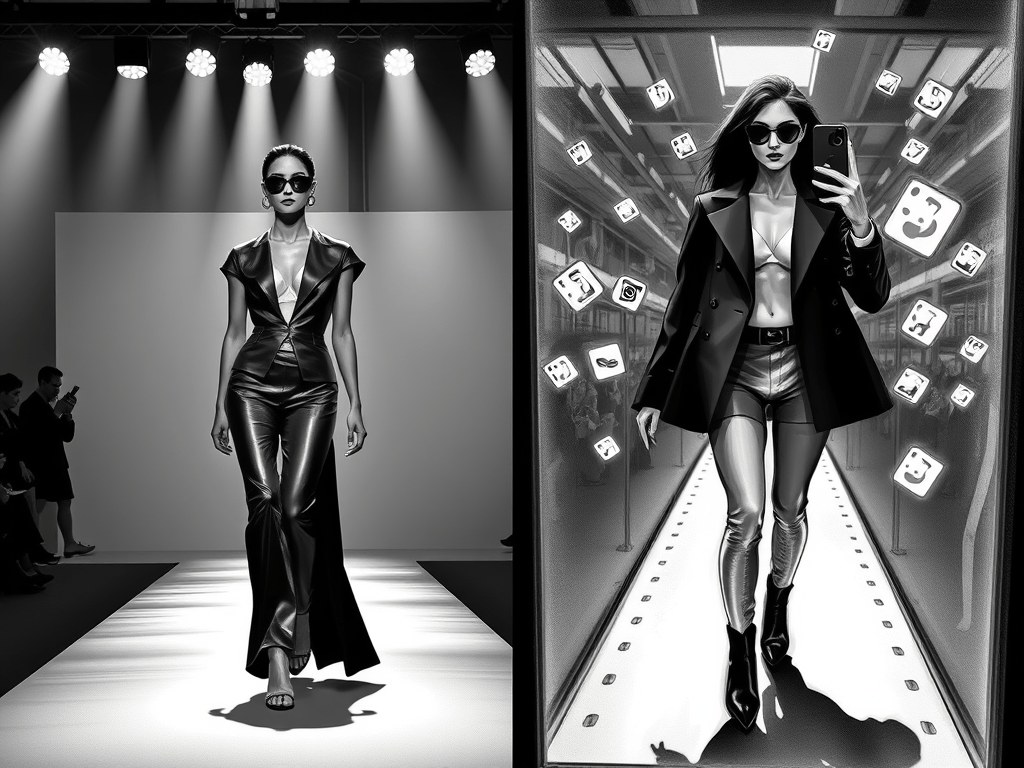
Enter the universe of Fashion Nova. Daring designs and trendy pieces collide here. Together, they disrupt the very essence of the fashion industry. Is this fast-fashion powerhouse reshaping the future of style as we know it? Or is it simply defining a new era of consumer behavior? As the debate rages on, one thing remains clear. Fashion Nova has captured the attention of fashion enthusiasts worldwide. It has a bold approach to clothing and an unparalleled social media presence.
With over 20 million Instagram followers, Fashion Nova has earned a reputation for turning trends into must-haves overnight. It has become a cultural phenomenon. Is it a force for good by pushing the boundaries of inclusivity and accessibility? Or is it contributing to the darker side of fast fashion? Join us as we explore the complexities of the Fashion Nova dilemma. We will unravel its impact on the industry. Additionally, we will discuss the potential implications for the future of fashion.
Buckle up as we navigate through the realms of innovation. We will explore controversy and cultural influence. This is a captivating exploration of a brand that’s not just selling clothes—it’s shaping a movement. Ready to uncover the rise of Fashion Nova and how it became a global sensation? Let’s dive in!
The Rise of Fashion Nova: From Boutique to Global Phenomenon
Fashion Nova’s ascent to prominence has been nothing short of meteoric, emerging as a leading name in the fast-fashion industry. Founded in 2006 by Richard Saghian, the brand initially began as a boutique in Los Angeles. It catered to a diverse clientele with an eye for trendy and affordable fashion. However, the brand’s move to an online-centric model significantly accelerated its growth. This shift allowed it to reach a global audience with unprecedented speed. The advent of social media, particularly Instagram, played a crucial role in this transformation. Fashion Nova leveraged influencers to promote their brand. They also used user-generated content. This strategy turned its Instagram page into a marketing powerhouse, amassing over 20 million followers (Source: Instagram).
Fashion Nova had a keen understanding of trends. They kept a finger on the pulse of pop culture. As a result, Fashion Nova quickly became synonymous with the latest styles, particularly in women’s wear. The brand’s ability to produce and distribute new collections at an astonishing pace is a testament to its innovative approach. Each week, Fashion Nova introduces hundreds of new items, ensuring its inventory remains fresh and aligned with current fashion movements. This relentless drive for novelty has attracted a loyal customer base. It has also positioned the brand as a trendsetter in the fast-fashion arena. In fact, Fashion Nova was the most-searched fashion brand on Google in 2018. This is a clear indicator of its cultural impact. (Source: Google Trends)
Moreover, Fashion Nova has capitalized on its ability to cater to a wide range of body types. This strategy has resonated with a diverse demographic of consumers. The brand offers sizes that extend beyond the traditional range. Because of this, it has become a go-to for individuals seeking trendy clothing that fits well. This inclusivity has helped Fashion Nova carve out a unique niche. Its quick turnaround time draws in customers who feel seen and represented in the fashion landscape. As a result, the brand’s rise is not merely a story of commercial success. It reflects a deeper cultural shift toward diversity and accessibility in fashion.
But how does Fashion Nova manage to stay ahead of the curve? Stay tuned as we explore Fashion Nova’s business model and uncover the secrets behind its success!

Fashion Nova’s Business Model: Speed, Affordability, and Trend Responsiveness
At the heart of Fashion Nova’s success is a business model that prioritizes speed, affordability, and trend responsiveness. Unlike traditional fashion brands that operate on seasonal collections, Fashion Nova employs a strategy known as “see now, buy now.” This approach allows the brand to identify emerging trends through social media. It rapidly produces garments that capitalize on those trends, often within a matter of weeks. By streamlining its supply chain, Fashion Nova enhances its responsiveness. It ensures popular styles are available swiftly. In fact, Fashion Nova releases an average of 600 new styles per week (Source: Forbes). This staggering figure highlights its ability to stay ahead of the curve.
This model is complemented by a pricing strategy that emphasizes accessibility. Fashion Nova’s products are often priced lower than those of competitors, making trendy fashion attainable for a broader audience. For example, dresses typically range from 20to20to50, while jeans are priced under $40 (Source: Fashion Nova). This deliberate approach to pricing drives higher sales volumes. It also fosters a sense of loyalty among customers who appreciate the affordability of stylish clothing. The brand’s commitment to providing value has positioned it as a leader in the fast-fashion market. Consumers increasingly seek trendy options without breaking the bank.
Additionally, Fashion Nova has harnessed the power of data analytics to inform its business decisions. The brand can identify which products resonate most with its audience by analyzing consumer behavior. It also examines sales patterns and social media interactions. This data-driven strategy enhances inventory management. It also informs future collections. This approach ensures that the offerings align with customer preferences. For instance, Fashion Nova’s use of Instagram insights has helped it achieve a 300% year-over-year growth rate (Source: Business Insider). This level of insight allows Fashion Nova to stay ahead of the curve in an evolving industry. It reinforces its status as a formidable player in the fashion landscape.
But what does this mean for the broader fashion industry? Stay tuned. We will explore the impact of Fashion Nova on the fashion industry. We’ll also examine how it’s reshaping the way we think about style and sustainability.
The Impact of Fashion Nova on the Fashion Industry: A Double-Edged Sword
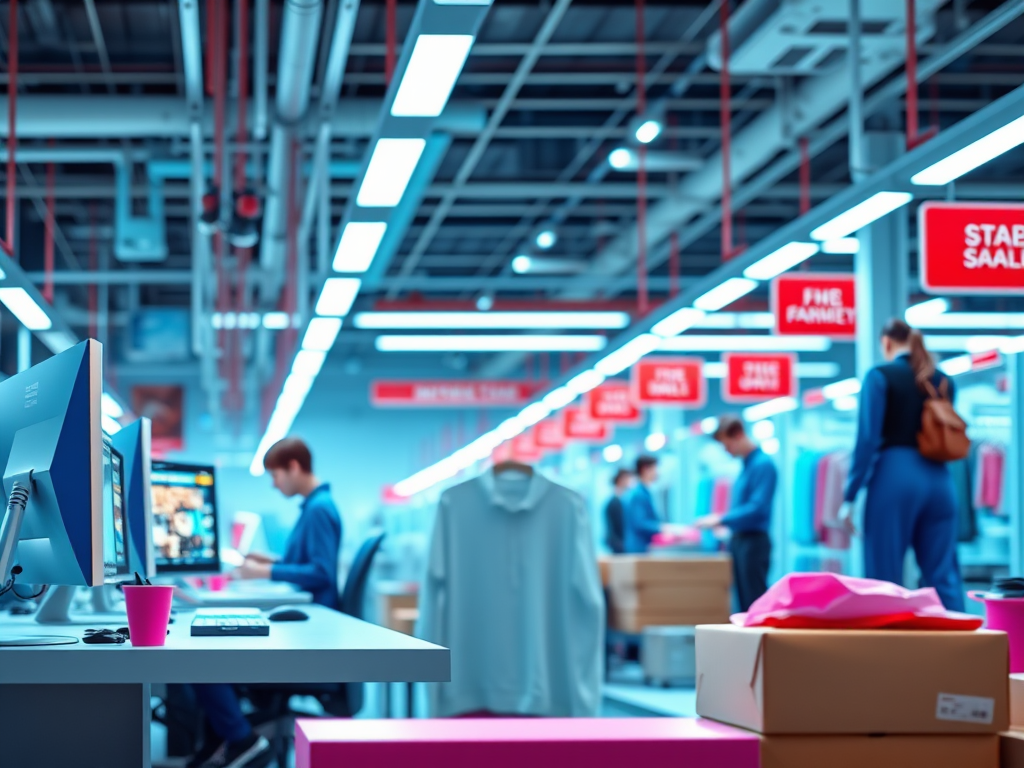
Fashion Nova has undeniably left an indelible mark on the fashion industry. It challenges conventional notions of how clothing is produced, marketed, and consumed. The brand epitomizes the fast-fashion model. It has reshaped consumer expectations regarding the speed at which new styles are available. It has also influenced the affordability of trendy apparel. This shift has prompted traditional retailers to reassess their own strategies. They often adopt faster turnaround times and create more accessible pricing structures to remain competitive. For example, Zara and H&M have reduced their design-to-retail cycles to just 2-3 weeks. This is a direct response to the pressure exerted by brands like Fashion Nova. (Source: McKinsey & Company)
Moreover, Fashion Nova’s influence extends beyond its own sales figures. It has sparked conversations about the broader implications of fast fashion. The brand’s rapid production cycles have raised questions about sustainability, ethical labor practices, and the environmental impact of clothing production. As consumers become increasingly aware of these issues, many are starting to scrutinize the practices of fast-fashion retailers. This scrutiny prompts a necessary dialogue about the future of the industry. Fashion Nova’s visibility has made it a focal point in this conversation. It forces both consumers and brands to consider the consequences of their purchasing choices. In fact, fast fashion is responsible for 10% of global carbon emissions. This highlights the urgency of addressing these concerns. (Source: UN Environment Programme)
Additionally, Fashion Nova has championed a new era of fashion democratization. In this era, trends are no longer dictated solely by high-end designers. The brand’s ability to swiftly turn runway looks into affordable pieces has empowered everyday consumers. They can engage with fashion in a more accessible way. This shift has opened the floodgates for aspiring designers. Smaller brands can leverage social media to showcase their creations. They can connect with a global audience. As a result, Fashion Nova’s impact is not just limited to its own growth. It has catalyzed a transformation in the fashion ecosystem. The brand encourages a more inclusive and diverse landscape where various voices can be heard.
But with great influence comes great responsibility. Ready to explore the ethical concerns surrounding Fashion Nova and how they’re shaping the future of fast fashion? Let’s dive in!
Ethical Concerns Surrounding Fashion Nova: A Closer Look
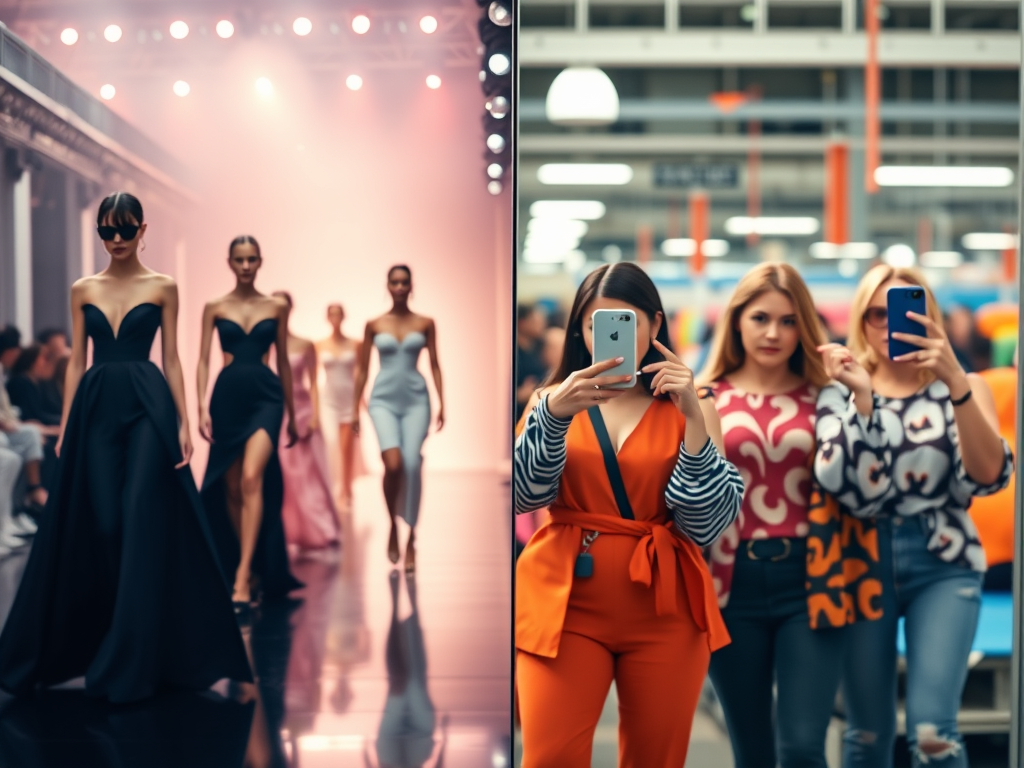
Despite its success, Fashion Nova has not escaped criticism, particularly regarding ethical concerns associated with its business practices. The fast-fashion model, characterized by rapid production and low prices, often raises alarms about labor conditions in the supply chain. Reports have surfaced alleging that some of Fashion Nova’s production partners do not adhere to fair labor practices. This raises questions about the treatment of workers and the conditions under which garments are produced. For instance, investigations have revealed that some workers in Fashion Nova’s supply chain earn as little as $2.77 per hour (Source: Los Angeles Times), far below the U.S. federal minimum wage. This scrutiny is part of a larger conversation about the ethical responsibilities of fashion brands in a globalized economy.
The environmental impact of fast fashion is another significant concern. The production of clothing at such high volumes contributes to waste, pollution, and resource depletion. Critics argue that the culture of disposability is fostered by brands like Fashion Nova. It encourages consumers to treat clothing as temporary. This behavior leads to increased textile waste. In fact, the fashion industry produces 92 million tons of textile waste every year. This staggering figure underscores the urgency of addressing these issues (Source: Ellen MacArthur Foundation). As awareness grows, many consumers are demanding more transparency from brands. They seek clarity regarding sourcing and production processes. This demand is pushing companies toward greater accountability.
In response to these concerns, Fashion Nova has made some efforts to improve its ethical standing. The brand has launched initiatives aimed at addressing sustainability and labor practices. These initiatives include commitments to reduce waste and explore more responsible sourcing options. For example, Fashion Nova has introduced recycled packaging and pledged to increase the use of eco-friendly materials in its collections. The effectiveness of these initiatives remains to be seen. The brand continues to face scrutiny from both consumers and advocacy groups. The fashion industry grapples with the implications of fast fashion. Fashion Nova’s journey is a critical case study. It highlights the quest for a more ethical approach. It also emphasizes the movement towards sustainable clothing production.
But what does the future hold for Fashion Nova and the fast-fashion industry as a whole? Stay tuned as we explore the future of fast fashion and how brands can balance innovation with responsibility.

Fashion Nova and Influencer Marketing: Redefining Brand Engagement
Fashion Nova has mastered the art of influencer marketing. They leverage the power of social media to amplify their brand presence. This helps them connect with consumers. The brand collaborates with a diverse array of influencers—from micro-influencers to A-list celebrities. This collaboration has created a marketing strategy that resonates with a wide audience. These partnerships allow Fashion Nova to showcase its clothing in authentic settings. Influencers share their personal styles and experiences wearing the brand. This fosters a sense of trust and relatability among their followers. In fact, Fashion Nova’s influencer campaigns have contributed to a 600% increase in sales over three years. This statistic from (Source: Forbes) showcases the effectiveness of this approach.
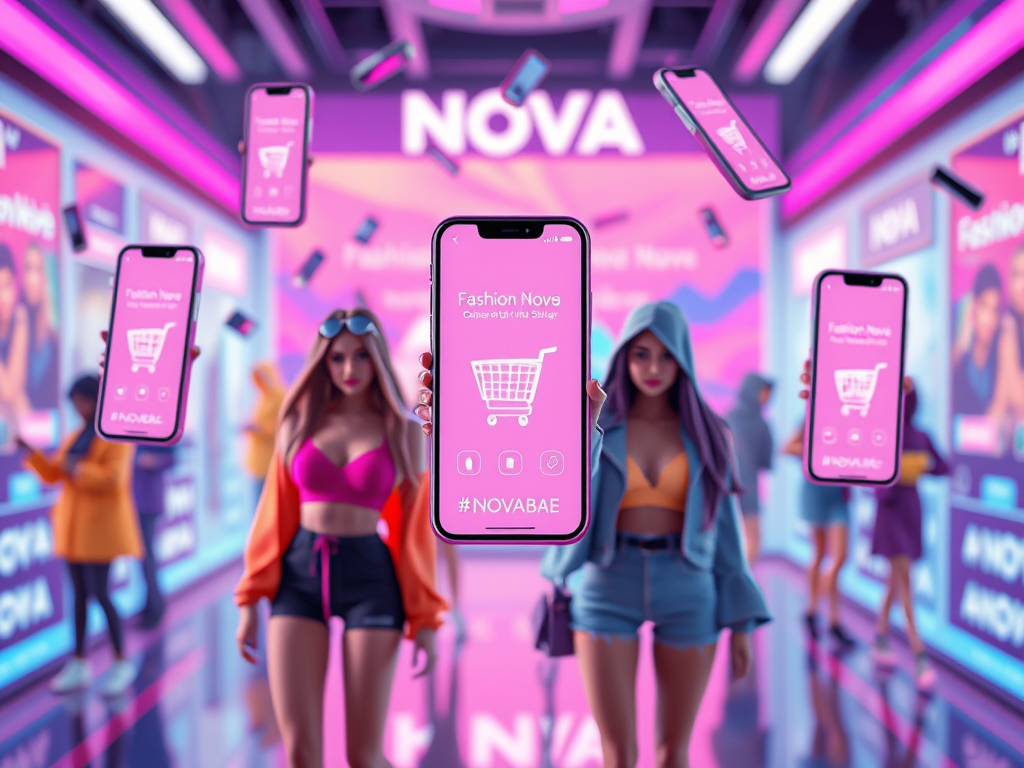
The brand’s approach to influencer marketing is particularly noteworthy for its emphasis on diversity and inclusivity. Fashion Nova collaborates with influencers of various body types. They come from different ethnicities and backgrounds. This reflects the brand’s commitment to representing a broad spectrum of consumers. This strategy not only enhances brand visibility. It also reinforces the message that fashion is for everyone. This encourages individuals to embrace their unique styles. For example, Fashion Nova’s #NovaBabe campaign features influencers of all sizes. This helps the brand reach over 1 billion impressions on Instagram (Source: Fashion Nova). By showcasing real people in their clothing, Fashion Nova has cultivated a community that celebrates individuality and self-expression.
Moreover, Fashion Nova’s influencer marketing campaigns are characterized by their immediacy and engagement. The brand frequently hosts social media challenges. It also organizes giveaways and promotional events. These activities encourage influencers to share their experiences with their followers. This interactive approach fosters a sense of community among consumers and creates a buzz around new collections and product launches. For instance, Fashion Nova’s #NovaStyle challenge generated over 500,000 user-generated posts. Business Insider reported this. It demonstrates the power of its engagement-driven strategy. As a result, Fashion Nova has successfully positioned itself as a trend-driven brand. It is deeply connected to its audience. The brand effectively utilizes influencer partnerships to drive sales. This also fosters brand loyalty.
But as the fashion industry evolves, so do the expectations for sustainability. Ready to explore how sustainability efforts are shaping the future of fashion? Let’s dive in!
Sustainability Efforts in the Fashion Industry: A Path Forward
The fashion industry faces mounting pressure to address sustainability. Many brands, including Fashion Nova, are beginning to explore initiatives aimed at reducing their environmental impact. The rise of consumer awareness about fast fashion’s consequences has had a major impact. It has prompted companies to rethink their production processes. They are reconsidering their material sourcing and overall sustainability strategies. As a result, numerous brands are now prioritizing eco-friendly practices, from using recycled materials to implementing more sustainable manufacturing techniques. For instance, the global market for sustainable fashion is projected to reach $10.1 billion by 2025 (Source: Statista), highlighting the growing demand for ethical alternatives.
Fashion Nova has acknowledged the need for sustainability and has taken steps to align with this growing demand. The brand has launched collections that incorporate recycled fabrics and has explored partnerships with organizations dedicated to promoting sustainable practices. Fashion Nova has started addressing the issue of waste. They have implemented programs to minimize excess inventory. They also encourage recycling among consumers. For example, the brand introduced recycled packaging and pledged to increase the use of eco-friendly materials in its collections. These initiatives are a crucial first step. They aim to create a more sustainable business model. However, the effectiveness and transparency of these efforts remain under scrutiny.
However, the journey toward sustainability is fraught with challenges. This is especially true for fast-fashion brands. These brands have built their business models on speed and low costs. Critics argue that the fundamental principles of fast fashion often conflict with sustainability’s values. This conflict creates a tension that is difficult to navigate. For example, fast fashion contributes to 20% of global wastewater. This is a stark reminder of the environmental toll of rapid production cycles. (Source: UN Environment Programme). As the industry evolves, brands like Fashion Nova need to implement eco-friendly practices. They must also engage in meaningful conversations about sustainability in fast fashion. The pressure to balance profitability with ethical responsibility is significant. It will shape the future of the industry. Consumers continue to demand greater accountability from the brands they support.
But what does the future hold for fast fashion, and how will Fashion Nova adapt to these challenges? Stay tuned as we explore the future of fast fashion and Fashion Nova’s role in shaping a more sustainable industry.

The Future of Fast Fashion: Fashion Nova’s Role in a Changing Industry
The future of fast fashion is a topic of intense debate. Industry stakeholders grapple with the implications of rapid production and consumption. Fashion Nova is a leading player in this space. It will undoubtedly influence the trajectory of the fast-fashion landscape. As consumers increasingly prioritize sustainability, ethical practices, and transparency, brands must adapt to these changing expectations in order to thrive. Fashion Nova’s response to these challenges will be crucial in determining its long-term relevance and success.
One potential avenue for Fashion Nova’s future is the continued exploration of sustainable practices. The brand has already begun implementing eco-friendly initiatives. It will further invest in innovative materials. Sustainable sourcing and waste reduction strategies can also be key areas of investment. The global market for sustainable textiles is expected to grow by 10% annually through 2030. This growth presents a significant opportunity for Fashion Nova to lead the charge (Source: Grand View Research). By prioritizing sustainability, Fashion Nova will enhance its reputation. It will also appeal to a growing demographic of environmentally conscious consumers. These consumers seek out brands that align with their values. This shift represents a pivotal turning point for the brand, allowing it to redefine its identity within the fast-fashion industry.
Additionally, Fashion Nova’s role in the evolving landscape of consumer behavior cannot be underestimated. The brand’s ability to engage with consumers through social media is significant. It uses influencer marketing to change the way fashion is marketed. This strategy has already transformed how fashion is consumed. As technology continues to advance, Fashion Nova can leverage new platforms and tools. This will enhance its connection with customers. They aim to create personalized shopping experiences that cater to individual preferences. For example, 73% of consumers prefer brands that personalize their shopping experiences. McKinsey & Company‘s research highlights the importance of innovation in customer engagement. By embracing these advancements, Fashion Nova can remain relevant. It can succeed in an increasingly competitive market. This ensures that it meets the demands of a diverse and discerning consumer base.
In conclusion, the future of fast fashion is to be shaped by brands like Fashion Nova. These brands are willing to adapt and innovate in response to consumer expectations. The ongoing dialogue surrounding sustainability, ethical practices, and inclusivity will continue to influence the industry. Fashion Nova’s ability to navigate these complexities will determine its place in the fashion landscape. As the brand evolves, it has the potential to redefine what fast fashion means in a rapidly changing world.
But how does Fashion Nova compare to traditional fashion brands? Stay tuned as we explore Fashion Nova vs. Traditional Fashion Brands and uncover the key differences that set them apart.
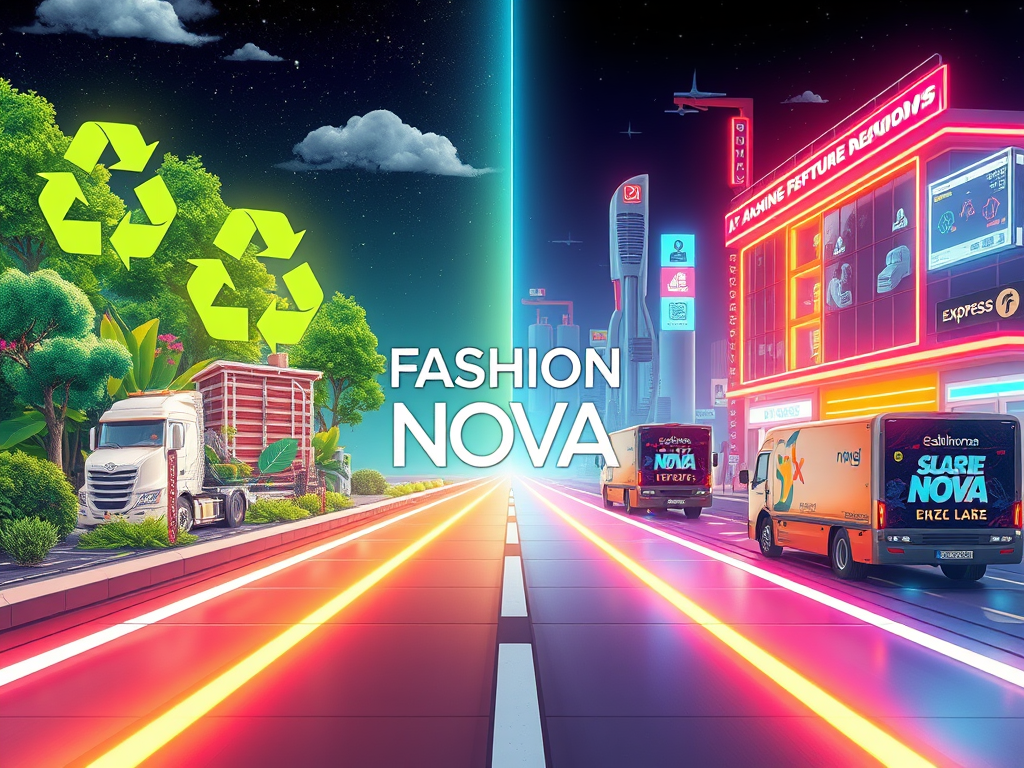
Fashion Nova vs. Traditional Fashion Brands: A Clash of Models
The emergence of Fashion Nova has prompted a reevaluation of the dynamics between fast fashion and traditional fashion brands. Established fashion houses often operate on longer timelines. They focus on seasonal collections and couture craftsmanship. In contrast, Fashion Nova’s model is characterized by speed and accessibility. This fundamental difference has altered consumer expectations. It has also forced traditional brands to reconsider their strategies to remain competitive. Fashion Nova releases an average of 600 new styles per week (Source: Forbes). This frequency is a stark contrast to traditional brands that release only a few collections annually.
Fashion Nova’s rapid production cycles are a key factor in its democratization of fashion. Its direct-to-consumer approach allows consumers to access the latest trends at a fraction of the cost of traditional brands. This shift has led to a growing divide in the industry. Consumers increasingly prioritize affordability and immediacy. They prioritize these over luxury and exclusivity. Traditional brands have adopted faster design processes. They have also incorporated more accessible price points. However, the challenge remains: can they compete with a brand that has built its identity around speed and affordability? For instance, Fashion Nova’s average dress price is $35. This is compared to $200+ for many traditional brands (Source: Fashion Nova), highlighting the stark price difference.
Moreover, Fashion Nova’s success has highlighted a broader cultural shift toward inclusivity and representation in fashion. Traditional brands have often been criticized for their lack of diversity in sizing and marketing. In contrast, Fashion Nova has made strides in showcasing a wide range of body types and identities. This approach resonates with consumers. It also sets a new standard for what representation looks like in the industry. For example, Fashion Nova’s #NovaBabe campaign features influencers of all sizes. This helps the brand reach over 1 billion impressions on Instagram (Source: Fashion Nova). As a result, traditional fashion brands face increasing pressure. They must embrace inclusivity and adapt their marketing strategies. This adaptation aligns with changing consumer values.
But how do consumers really perceive Fashion Nova? Stay tuned as we explore consumer perception of Fashion Nova and what it means for the future of the brand.

How Consumers Really Feel About Fashion Nova: Love, Criticism, and Everything in Between
Consumer perception of Fashion Nova is a multifaceted topic that reflects the complexities of modern fashion consumption. For many, the brand is synonymous with trendy, affordable clothing that allows for self-expression and individuality. The accessibility of Fashion Nova’s styles has grown a loyal customer base. These customers appreciate the brand’s ability to deliver the latest trends without a hefty price tag. The brand actively engages on social media. Consumers can see real people wearing Fashion Nova. They find inspiration for their own outfits. In fact, Fashion Nova’s Instagram account has over 20 million followers. It is one of the most influential fashion brands on the platform.
However, the perception of Fashion Nova is not universally positive. Critics often point to the ethical concerns surrounding fast fashion, including labor practices and environmental impact. Some consumers feel uncomfortable participating in a system that prioritizes speed and low costs. They believe it comes at the expense of ethical considerations. For example, fast fashion is responsible for 10% of global carbon emissions. This statistic has led many to question the sustainability of brands like Fashion Nova. (Source: UN Environment Programme) This tension creates a nuanced landscape. Fashion Nova is celebrated for its inclusivity and trendiness. It is simultaneously scrutinized for its role in the fast-fashion industry.
Consumers are becoming more informed about the implications of their purchasing decisions. Many are beginning to seek out brands that align with their values. This shift has prompted Fashion Nova to address its ethical standing. They are exploring sustainability initiatives, such as using recycled materials and reducing waste. However, the effectiveness of these efforts remains a point of contention. For instance, only 12% of consumers believe fast-fashion brands are genuinely committed to sustainability. This highlights the skepticism surrounding such initiatives (Source: McKinsey & Company). Ultimately, consumer perception of Fashion Nova will keep changing. The brand faces the complexities of the fashion landscape. They must balance the demand for trendy clothing with the responsibility of upholding ethical practices and sustainability.
But what does Fashion Nova’s journey mean for the broader fashion industry? Stay tuned as we conclude with an exploration of Fashion Nova’s influence on the fashion landscape.

Fashion Nova’s Influence on the Fashion Landscape
In conclusion, Fashion Nova’s influence on the fashion landscape is profound and multifaceted. The brand has disrupted traditional notions of fashion retail. It has also sparked essential conversations about sustainability, ethics, and representation in the industry. As a leader in the fast-fashion space, Fashion Nova must adapt to changing consumer expectations. This adaptability will play a crucial role in defining the future of fashion.
The brand’s commitment to inclusivity and trend responsiveness has resonated with a diverse audience. This showcases the power of social media and influencer marketing in shaping consumer behavior. For instance, Fashion Nova’s Instagram campaigns have reached over 1 billion impressions (Source: Fashion Nova). This highlights its unparalleled ability to connect with consumers. However, we cannot overlook the ethical challenges associated with fast fashion. Fashion Nova’s ongoing journey toward greater accountability will be crucial. Its commitment to sustainability will determine its legacy.
Ultimately, as the fashion industry continues to evolve, Fashion Nova stands at the crossroads of innovation and responsibility. The brand’s ability to balance affordability with ethical practices will shape its future. It will also influence the broader trajectory of the fast-fashion sector. As consumers become increasingly aware of their impact on the planet and society, their expectations from brands increase. Fashion Nova’s role in this dialogue will be instrumental. It will help shape the future of fashion.
If you love Fashion Nova’s trendy and affordable styles, you’ll also adore the curated collection at Saflore. Saflore offers chic dresses and statement accessories. You can find fashion-forward pieces that let you express your unique style. Best of all, it won’t break the bank. Explore the latest trends and find your next favorite outfit today!


 SAFLORE