Tag: trends

  • Spring Dresses Are a Scam—Here’s What You Should Wear Instead!

    Spring Dresses Are a Scam—Here’s What You Should Wear Instead!

    Let’s get one thing straight: spring dresses are overrated.

    Yeah, I said it.

    Every year, we’re bombarded with the same floral prints, flowy silhouettes, and pastel palettes that scream “basic.” But here’s the truth: you don’t need another dress to look stunning this season. In fact, clinging to the same old trends is doing your style a disservice.

    It’s time to break free from the herd mentality. Embrace fashion that actually reflects you—not some cookie-cutter version of spring femininity. Think bold, think unexpected, think unapologetically you.

    In this blog, we’re ditching the predictable. We’re diving into fresh, head-turning alternatives. They’ll make you wonder why you ever bothered with spring dresses in the first place. Sleek jumpsuits command attention. Tailored sets scream sophistication. We’re redefining what it means to slay this season.

    Ready to shake up your wardrobe and leave the floral frenzy behind? Let’s go.

    The Spring Dress Hype Train: Why It’s Time to Jump Off

    Let’s talk about the elephant in the room: spring dresses are the fashion equivalent of a one-hit wonder.

    Sure, they’ve been crowned the “must-have” of the season for decades. But let’s be real—how many floral prints and pastel hues can one person own? Eventually, it all starts to feel… meh.

    The problem isn’t just the monotony. Let’s face it, walking into a store and seeing wall-to-wall daisy prints is enough to make anyone roll their eyes. It’s the fact that spring dresses have become a lazy shorthand for “femininity” and “seasonal style.” Newsflash: you don’t need a dress to feel like spring. In fact, clinging to this outdated narrative is holding you back from discovering fashion that actually speaks to you.

    Here’s the kicker: many spring dresses aren’t even practical. Ever tried navigating a windy day in a flowy midi dress? Or sat down in a tight-fitting number only to spend the rest of the day tugging at the hem? Yeah, not exactly the epitome of comfort. And don’t even get me started on how these designs often fail to cater to diverse body types.

    Did you know? A 2022 survey by Statista revealed that 65% of women find spring dresses “uncomfortable” or “impractical” for everyday wear. Yet, the global market for seasonal dresses is still projected to hit $28 billion by 2025 (Grand View Research). Talk about a disconnect!

    The truth is, fashion should empower you—not box you in. Instead of defaulting to the same old dresses, why not explore alternatives that prioritize both style and substance? Think tailored separates, chic jumpsuits, or even bold statement pieces that turn heads without sacrificing comfort.

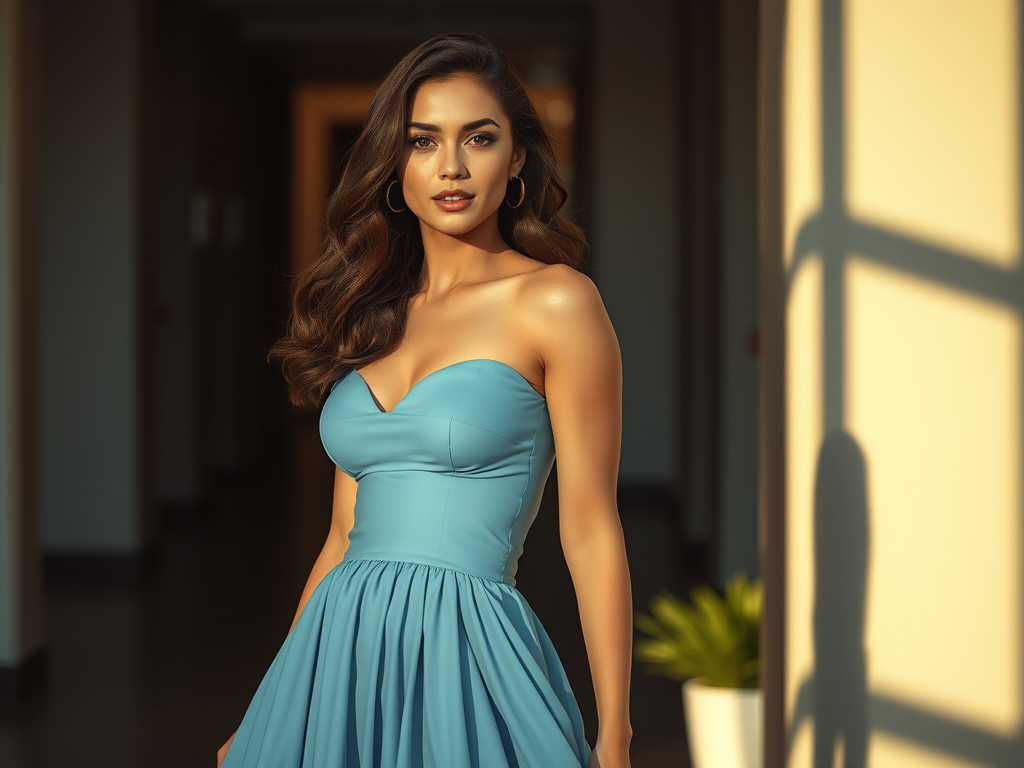
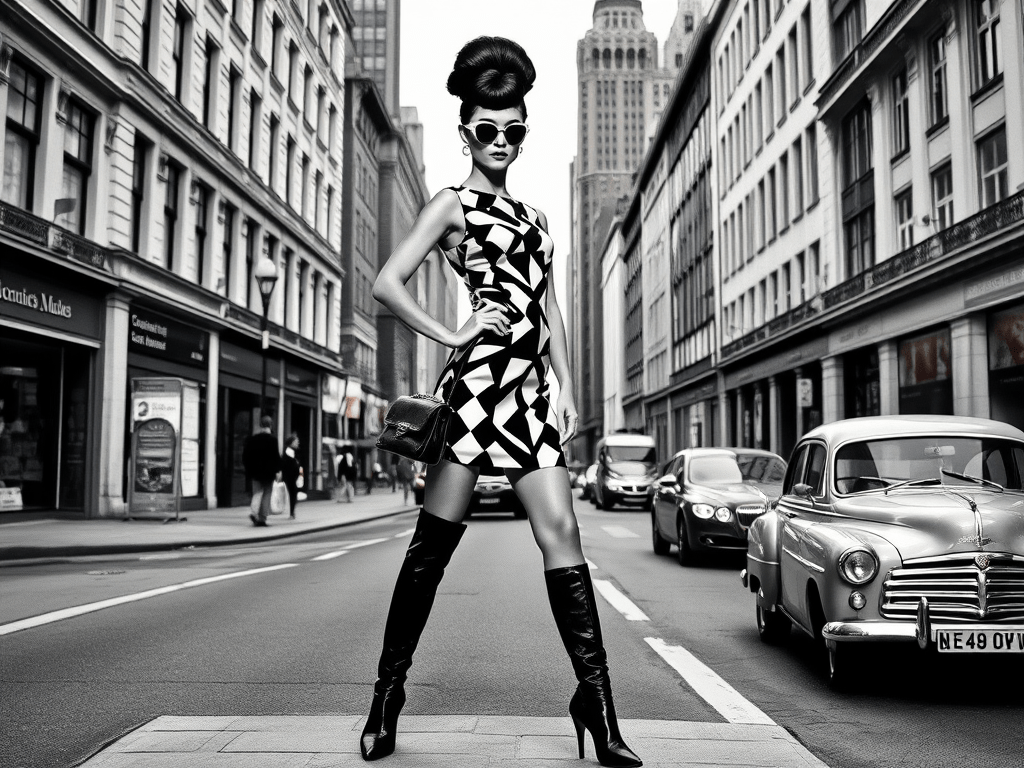
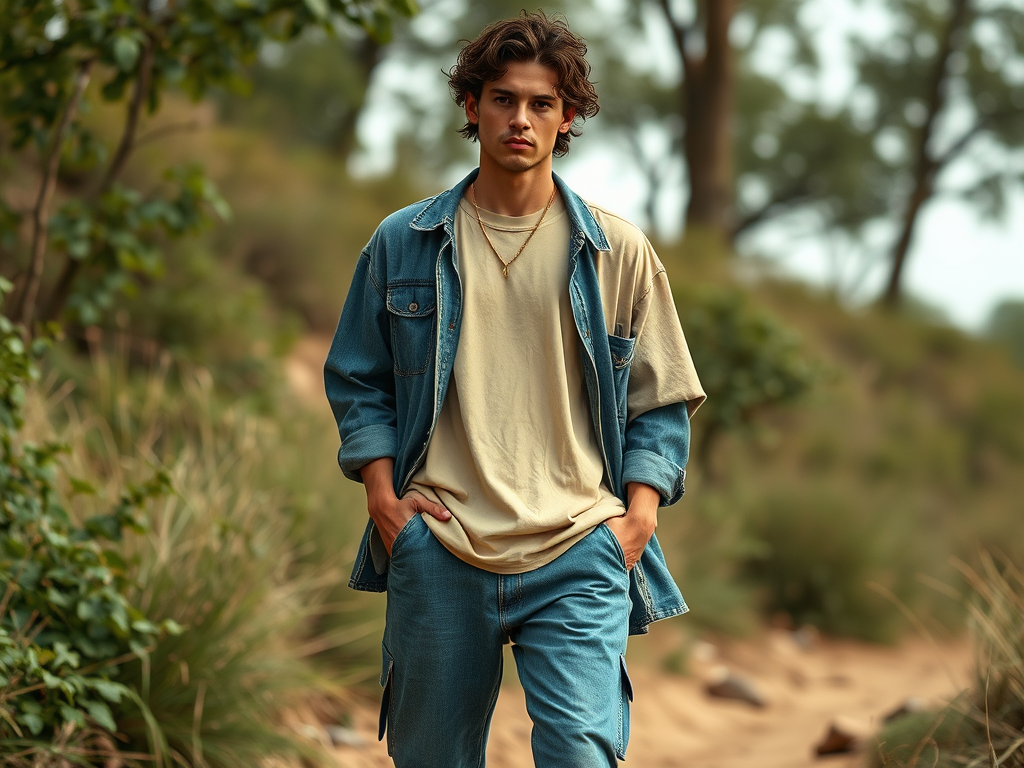
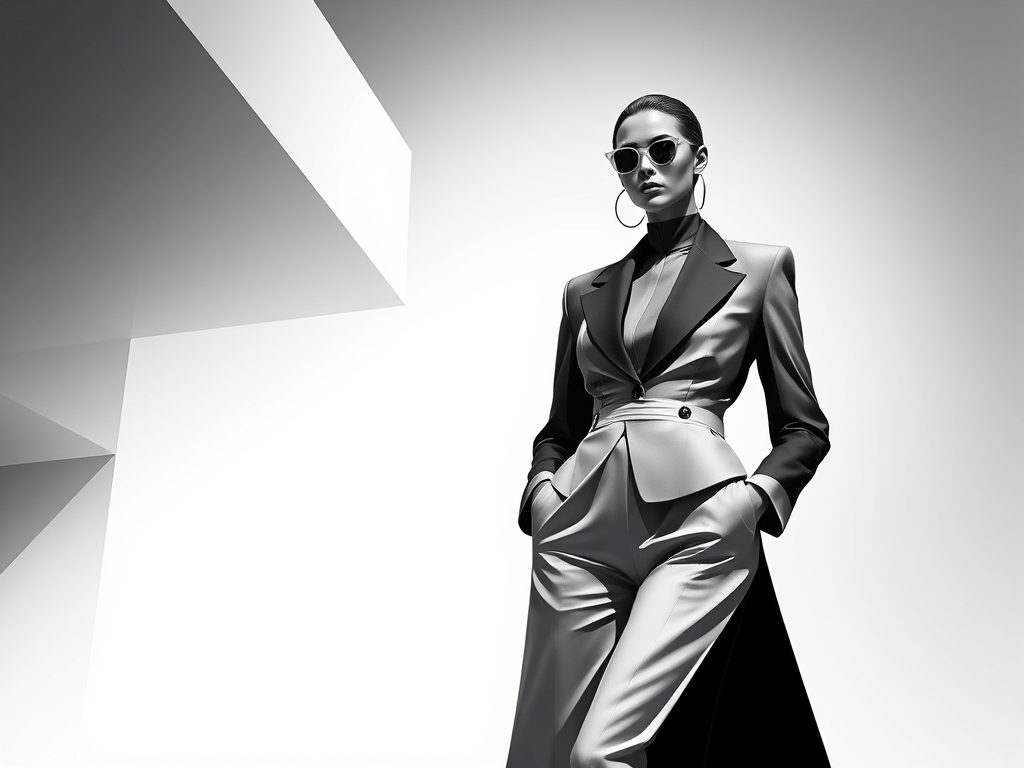
    A fashion-forward model strutting through a city street in a structured spring outfit, confidently challenging traditional dress trends with bold alternatives.

    Ditch the Dress: Bold Alternatives That Actually Work

    Let’s face it: spring doesn’t have to mean dresses. In fact, stepping away from the floral frocks opens up a world of fashion possibilities. These possibilities are not only more creative but also way more you.

    Think about it. Why limit yourself to the same old silhouettes? There’s an entire universe of jumpsuits, tailored sets, and chic separates waiting to be explored. These pieces aren’t just trendy; they’re game-changers. They’re versatile, comfortable, and perfect for anyone who wants to stand out without sacrificing practicality.

    Take jumpsuits, for example. They’ve been quietly dominating the fashion scene, and for good reason. According to a 2023 report by WGSN, searches for “statement jumpsuits” have skyrocketed by 78% in the past year. Why? Because they’re the ultimate one-and-done outfit. Need to go from brunch to a work meeting? Throw on a sleek jumpsuit. Heading to a wedding? A tailored, wide-leg version with a bold belt will have you looking like a style icon. Plus, they’re designed to flatter every body type—no tugging, no adjusting, just pure confidence.

    And let’s not forget tailored sets. These coordinated outfits are the secret weapon of anyone who wants to look polished without putting in too much effort. A 2022 survey by Vogue Business found that 62% of women prefer matching sets over dresses. They choose them for their versatility and ease of styling. You can choose a blazer-and-trouser combo for a power meeting. Opt for a crop top and skirt for a night out. Tailored sets let you mix and match while still looking put-together.

    The best part? These alternatives aren’t just about looking good—they’re about feeling good, too. No more sacrificing comfort for style. No more blending into a sea of floral prints. Just pure, unapologetic individuality.

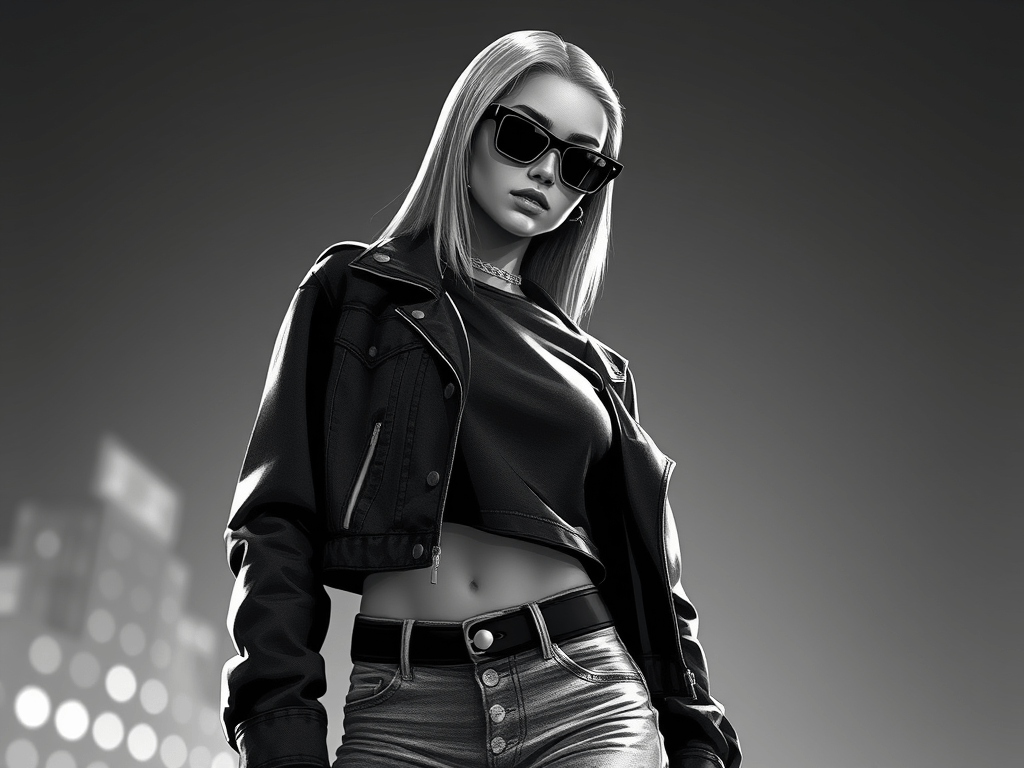
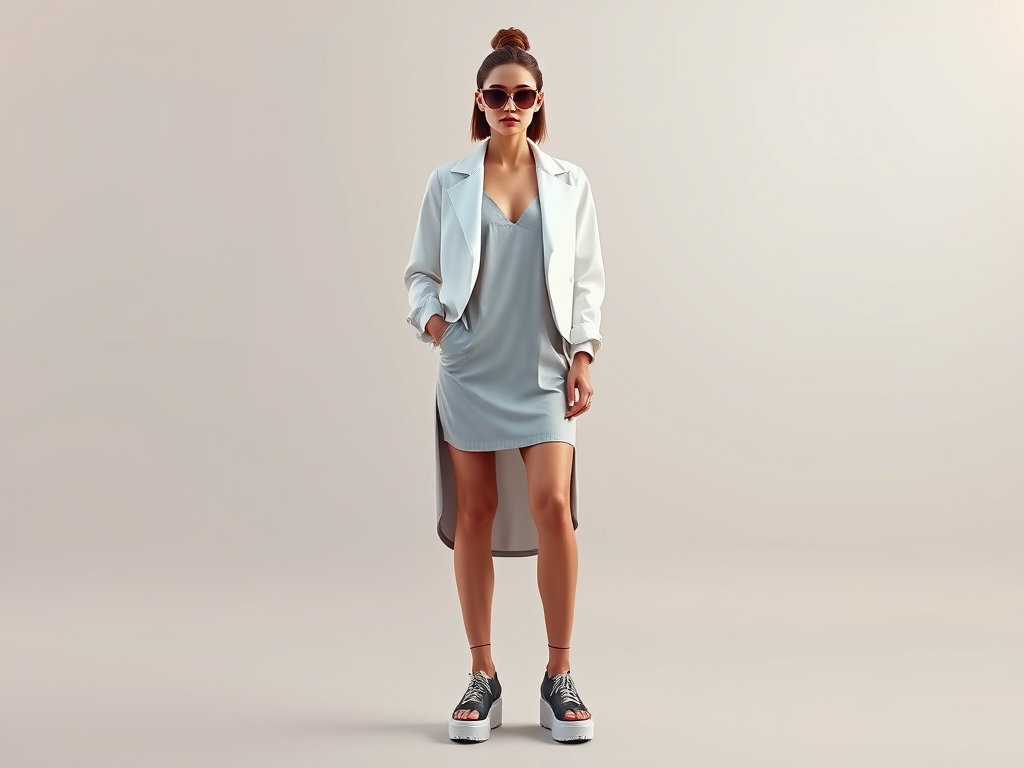
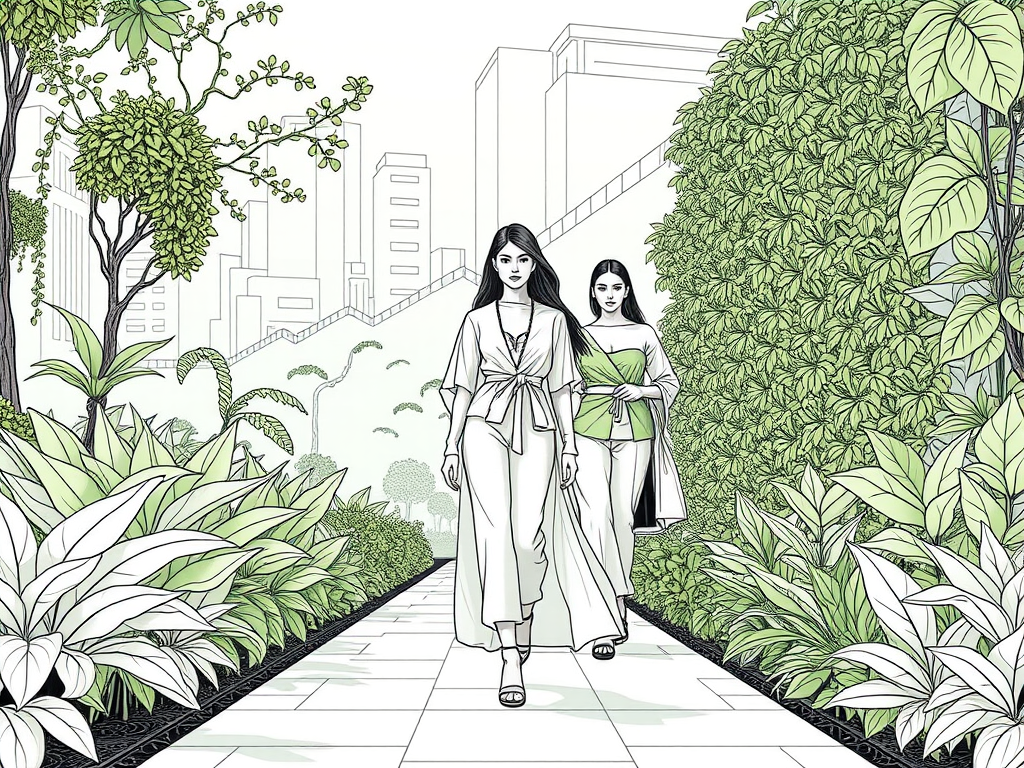
    A stylish model wearing an unconventional spring outfit—tailored shorts with a cropped blazer—showcasing bold alternatives to dresses.

    Spring 2025 Trends That Prove Dresses Are Overrated

    Let’s get one thing straight: spring 2025 is not about dresses.

    Nope. This season, the fashion world is doubling down on innovation, and the results are nothing short of revolutionary. From futuristic tailoring to gender-fluid silhouettes, the trends this year are all about breaking the mold. And guess what? They’re way more exciting than yet another floral frock.

    Take tech-infused fabrics, for example. This trend isn’t just a passing fad—it’s a movement. Vogue’s Spring 2025 Trend Report notes that searches for “sustainable techwear” have risen sharply. Searches for “performance fabrics” have surged by 70% compared to last year. Why? Because they’re the perfect blend of style and functionality. Imagine sleek, water-resistant trousers paired with a structured, recycled polyester blazer. It is the outfit that proclaims readiness for anything. Whether you’re heading to a meeting or embarking on a weekend getaway, it works perfectly.

    And then there’s the rise of gender-neutral fashion. Spring 2025 is all about blurring the lines, with oversized suits, boxy shirts, and utilitarian jumpsuits taking center stage. A recent WGSN report revealed that 68% of Gen Z shoppers are prioritizing gender-neutral pieces over traditional gendered clothing. Why stick to outdated norms when you can embrace a wardrobe that’s as fluid as your identity?

    But let’s not forget bold, surrealist prints. Forget the predictable florals—spring 2025 is all about making a statement. Think abstract swirls, digital-inspired graphics, and color-blocked designs that demand attention. Pair a surrealist-print blouse with minimalist trousers, and you’ve got a look that’s equal parts daring and sophisticated.

    The beauty of these trends is their versatility. You can mix and match, layer up, or go all-in on a single statement piece. It’s about creating a wardrobe that feels authentically you—not just another cookie-cutter version of spring fashion.

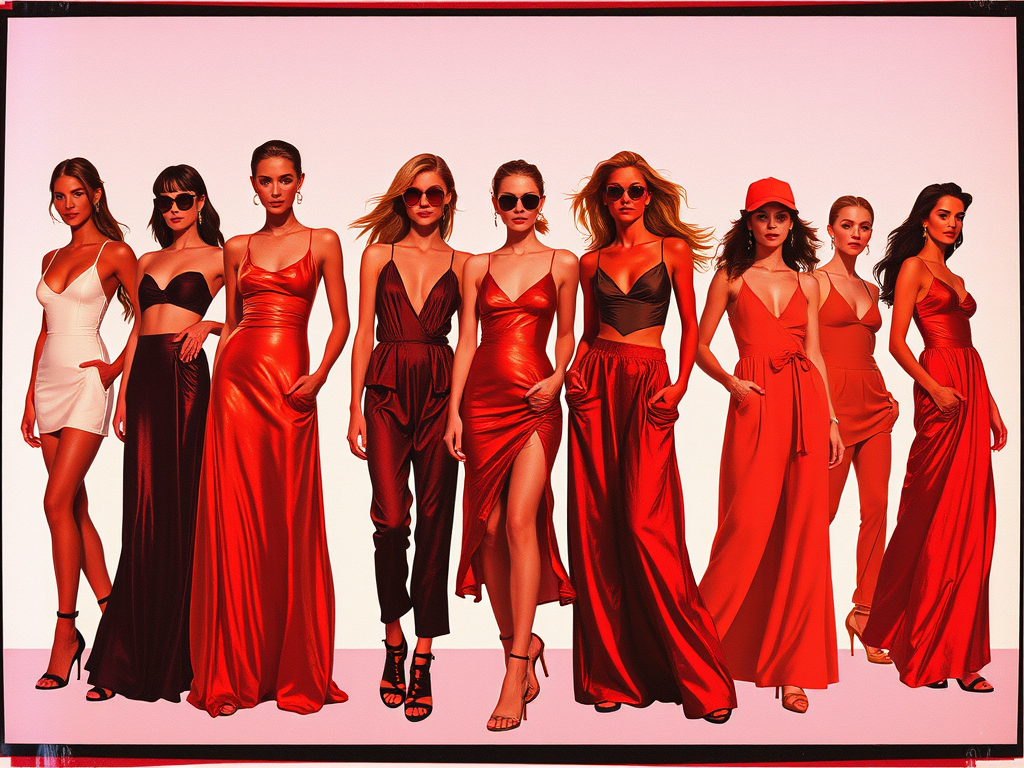
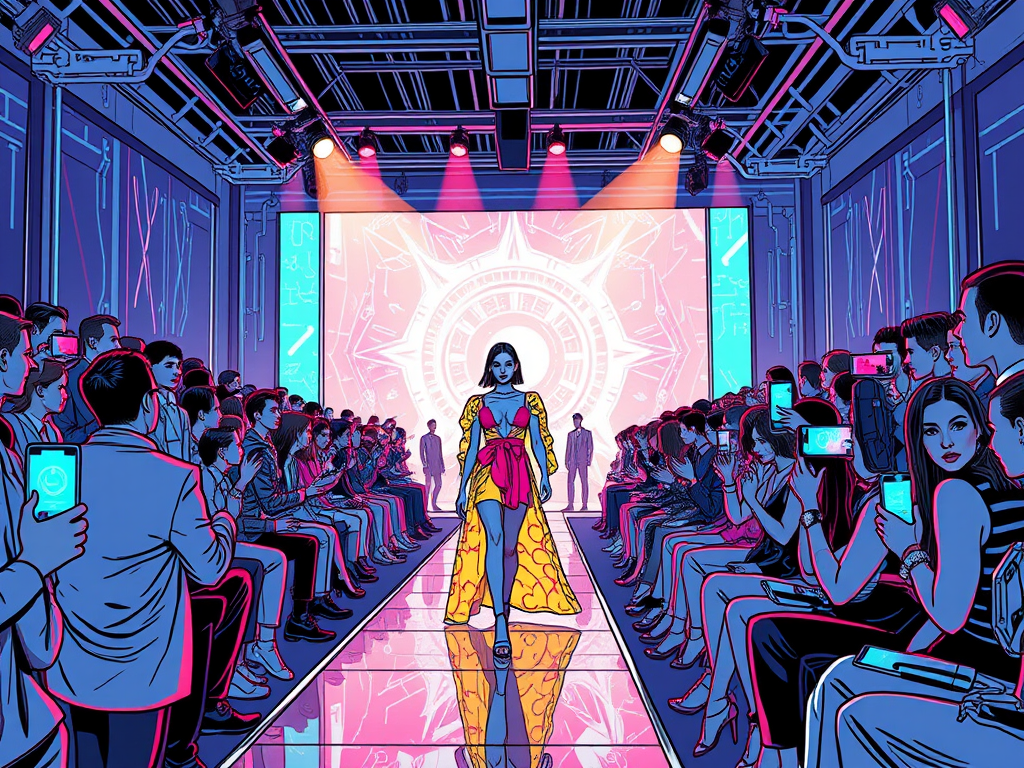
    A group of stylish models wearing futuristic spring outfits, showcasing bold 2025 trends that challenge traditional dress expectations.

    Master the Art of Unconventional Spring Styling

    Let’s be real: stepping away from the predictable spring dress and into unconventional outfits can feel like a fashion minefield. But here’s the secret—it’s not as hard as it looks. In fact, with a few styling tricks up your sleeve, you can turn heads without breaking a sweat.

    The first rule of thumb? Proportions are everything. When you’re rocking oversized or loose silhouettes, balance is key. Pair that slouchy, oversized blazer with tailored trousers or a fitted midi skirt. According to a 2024 report by Fashionista, 58% of stylists recommend this contrast-heavy approach. It creates a look that’s both modern and flattering. It’s the perfect way to look effortlessly cool without drowning in fabric.

    Next up: layering like a pro. Spring weather is as unpredictable as your ex’s text messages, so layers are your best friend. Throw a fitted turtleneck under a sleeveless jumpsuit, or drape a lightweight cardigan over a structured top. This not only adds depth to your outfit. It also lets you adapt to whatever the day throws at you. And don’t shy away from mixing textures—think denim with silk or leather with cotton. A 2023 Who What Wear survey found that 64% of fashion enthusiasts love texture mixing. They believe it is the ultimate way to elevate an outfit.

    Finally, let’s talk accessories. These are the secret weapons that can turn a “meh” outfit into a “wow” moment. Statement jewelry, bold belts, and unique footwear are your go-tos. For example, a classic white shirt becomes a showstopper when paired with chunky, colorful earrings. Add a pair of sleek ankle boots to finish the look. Here’s a fun stat. A 2025 Refinery29 study revealed that 72% of women feel more confident when wearing statement accessories. Why? Because they add that personal touch that screams you.

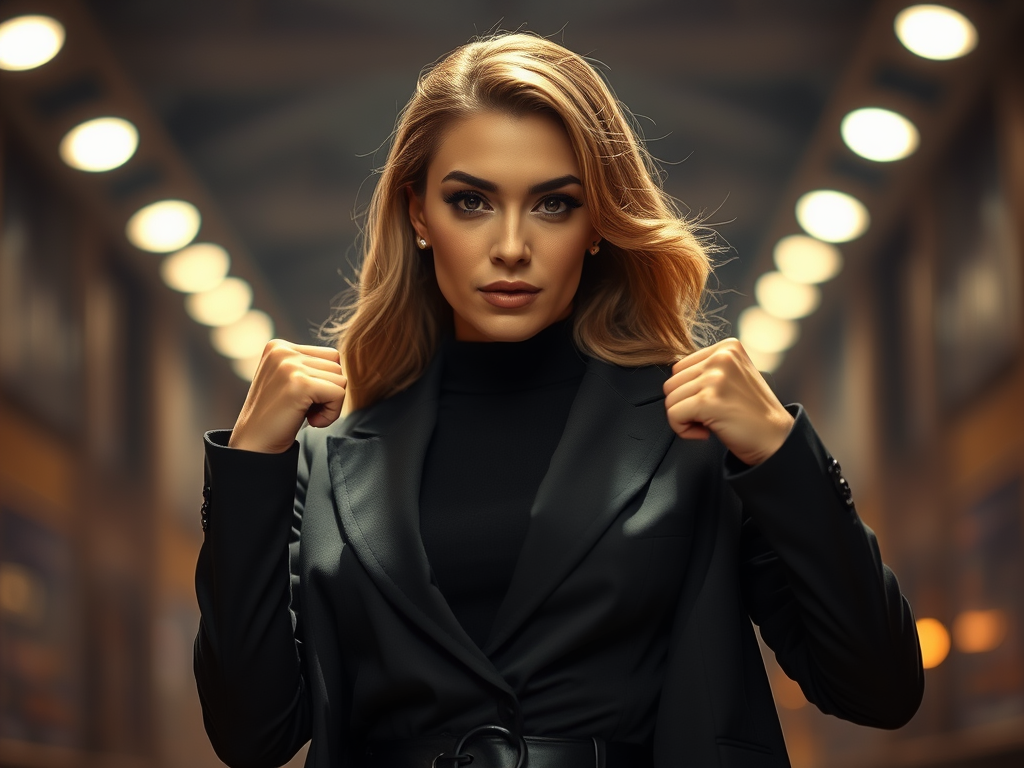
    A close-up of a stylish model layering unconventional spring pieces, showcasing innovative ways to style outfits beyond dresses.

    Accessorize Like a Pro: The Secret to Elevating Any Outfit

    Let’s talk about the magic of accessories—because, let’s be honest, they’re the real MVPs of any outfit.

    Think about it: a simple white tee and jeans can go from “basic” to “bombshell.” You just need the right pair of oversized earrings or a chunky necklace. Accessories aren’t just add-ons; they’re the exclamation point at the end of your style sentence. And this spring, it’s all about going bold.

    According to a 2025 Glamour report, 67% of fashion influencers say that statement accessories are effective. They are the easiest way to refresh your wardrobe. Adding statement accessories is a simple method to refresh your style. They also highlight that these upgrades can be done without breaking the bank. Oversized hoops, layered necklaces, or even a single standout ring can instantly elevate your look. Pro tip: let your accessories do the talking. Pair a minimalist outfit with a bold, colorful necklace, and watch heads turn.

    But let’s not forget about bags. This season, it’s all about playful shapes and vibrant hues. A 2024 Harper’s Bazaar survey found that 61% of women are ditching neutral bags for bold, eye-catching designs. Choose a structured tote in electric blue. Alternatively, try a quirky clutch in an unexpected shape. These bags can take your outfit from “nice” to “who is she?”. If you’re on the go, a chic crossbody bag is your best friend. It is stylish, practical, and perfect for spring adventures.

    Now, let’s talk shoes. This spring, forget the predictable sandals and step into something unexpected. Chunky sneakers, bold ankle boots, or even sleek loafers are stealing the spotlight. A 2025 Vogue study revealed that 74% of women are prioritizing comfort without sacrificing style. It’s time to embrace footwear that works as hard as you do. Pair a flowy dress with chunky sneakers for a cool-girl vibe. Alternatively, rock a tailored suit with edgy boots. This will balance sophistication with a touch of rebellion.

    The bottom line? Accessories are your secret weapon. They’re the easiest way to inject personality into your look. They let you experiment without committing to a full wardrobe overhaul.
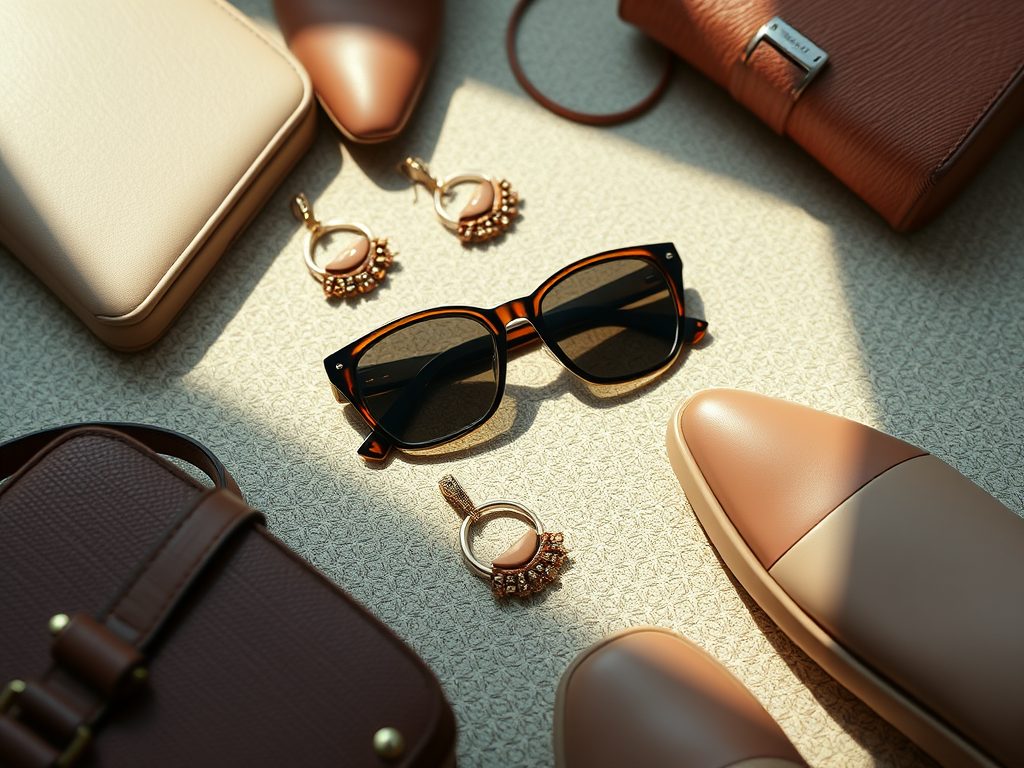
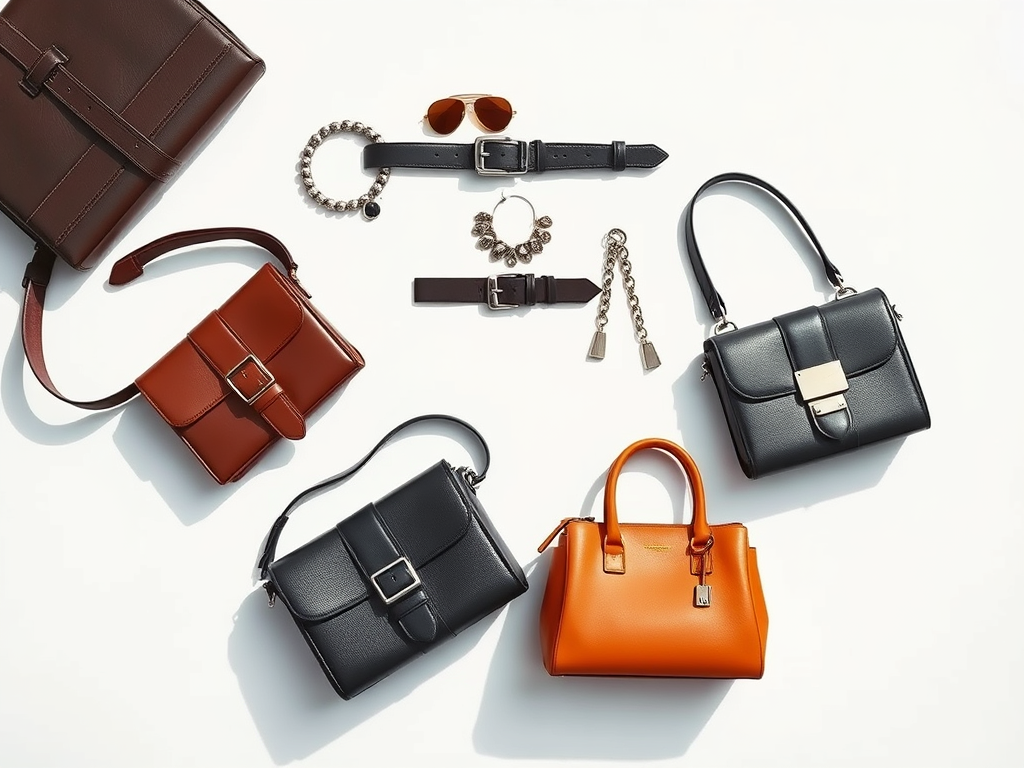
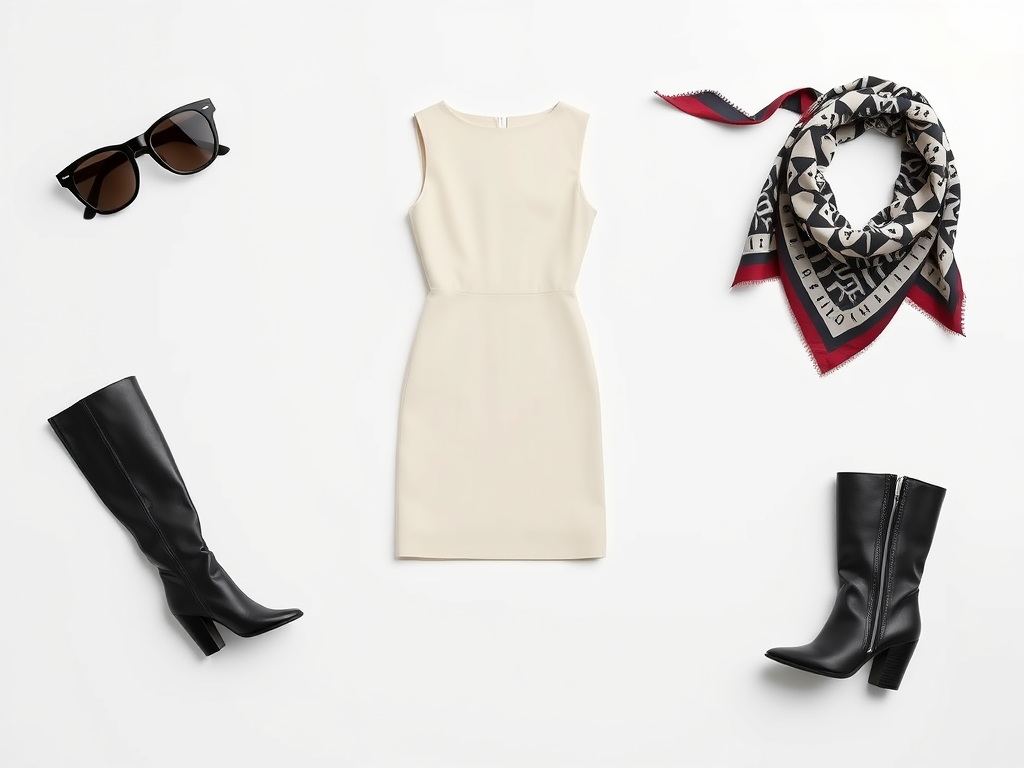
    A flat-lay shot of stylish spring accessories, including sunglasses, statement earrings, and handbags, demonstrating how to elevate any outfit.

    Sustainable Spring Style: Look Good, Feel Good, Do Good

    Let’s cut to the chase: fashion doesn’t have to cost the earth—literally.

    Climate change continues to dominate headlines. As a result, more of us are waking up to the impact our wardrobes have on the planet. The good news? Sustainable and ethical fashion is no longer a niche trend—it’s a movement. And this spring, it’s easier than ever to look incredible while doing your part for the environment.

    According to a 2025 McKinsey report, 55% of consumers now prioritize sustainability when shopping for clothing. That’s a massive shift, and it’s driving brands to rethink everything from materials to production practices. So, how can you join the revolution? Start by supporting brands that specialize in slow fashion. These labels focus on quality over quantity, creating timeless pieces that are built to last. Think organic cotton tees, Tencel dresses, and recycled polyester jackets. These materials reduce environmental impact. They also come with a level of craftsmanship that fast fashion can’t touch.

    But here’s the kicker: sustainable fashion doesn’t have to break the bank. Thrifting and vintage shopping are booming, and for good reason. A 2024 ThredUp report found that the secondhand market is set to grow by 127% by 2026. Why? Because it’s a win-win. You get unique, one-of-a-kind pieces (hello, retro blouses and vintage denim), and you keep clothing out of landfills. Plus, let’s be real—there’s nothing quite like the thrill of finding a hidden gem that no one else has.

    And let’s not forget about local artisans. Supporting small, ethical brands helps reduce your carbon footprint. It also ensures fair wages and working conditions for garment workers. Look for brands that are transparent about their supply chains and committed to eco-friendly practices.

    The bottom line? Sustainable fashion isn’t just a trend—it’s the future. And this spring, you can be part of it.
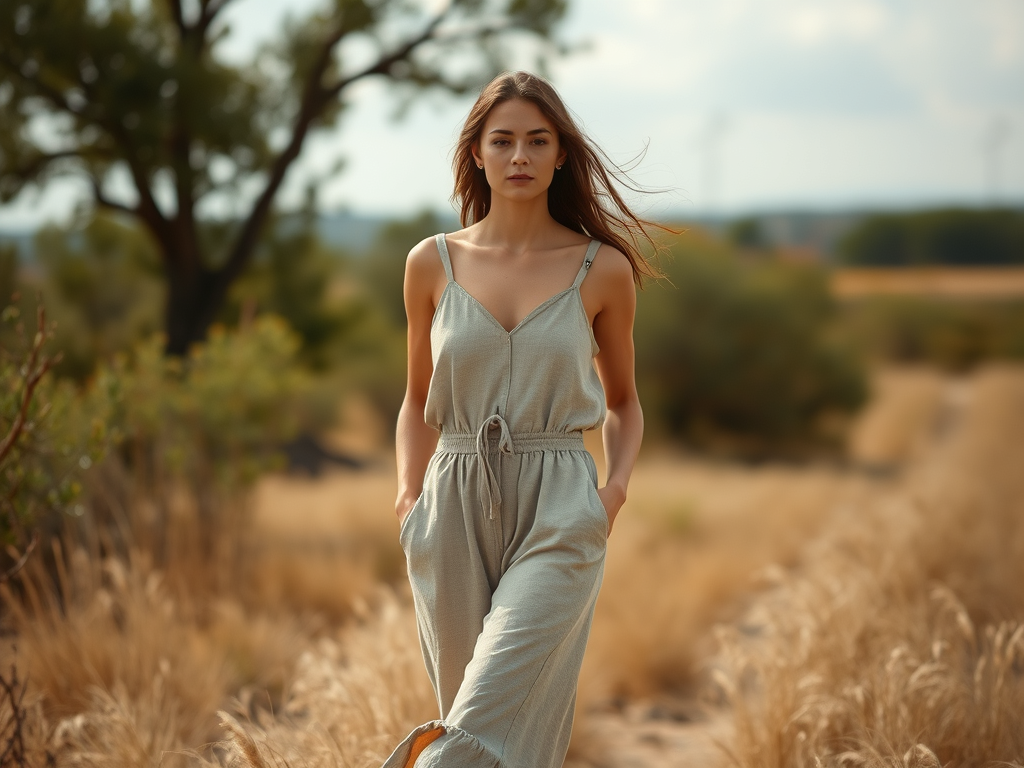
    A model wearing a sustainable spring outfit, standing in nature, promoting eco-friendly fashion choices with a fresh, minimal aesthetic.

    Steal the Spotlight: Celebrity-Inspired Spring Looks (No Dresses Allowed)

    Let’s face it: celebrities don’t just wear clothes—they make statements. And this spring, they’re ditching the predictable floral dresses for bold, unconventional ensembles that scream individuality.

    Stars like Zendaya, Emma Watson, and Timothée Chalamet are showcasing bold new looks. From red carpets to street style, they prove that you don’t need a dress to turn heads. Instead, they’re rocking everything from sleek jumpsuits to tailored sets that blend sophistication with a touch of rebellion. And guess what? You can, too.

    Take tailored suits, for example. They’re having a major moment, and for good reason. According to a 2025 Vogue report, searches for “celebrity-inspired suits” have skyrocketed by 82% this season. Why? Because a well-fitted blazer paired with high-waisted trousers or shorts is the ultimate power move. Add a pop of color or a daring print. You’ve got a look that’s both boardroom-ready and red carpet-worthy.

    But let’s not forget jumpsuits. These one-piece wonders are the ultimate dress alternative, and celebrities are proving just how versatile they can be. Zendaya’s sleek, wide-leg jumpsuit at the 2024 Met Gala? Iconic. Emma Watson’s casual denim version for a day out? Effortlessly chic. A 2024 Who What Wear survey found that 68% of women are choosing jumpsuits over dresses. They prefer jumpsuits for their versatility and ease of styling. You can dress it up with heels. Or you can keep it casual with sneakers. A jumpsuit is your ticket to looking polished without the fuss.

    And then there’s the art of mixing and matching. Celebrities like Harry Styles and Florence Pugh are masters at pairing unexpected textures and patterns. Think a bold, patterned blouse with structured trousers or a casual crop top with a flowing maxi skirt. This approach not only keeps your look fresh but also lets you experiment with your personal style.

    The bottom line? Celebrity fashion is your ultimate inspiration board this spring. By taking cues from their bold, non-dress ensembles, you can create looks that are uniquely yours—and totally unforgettable.
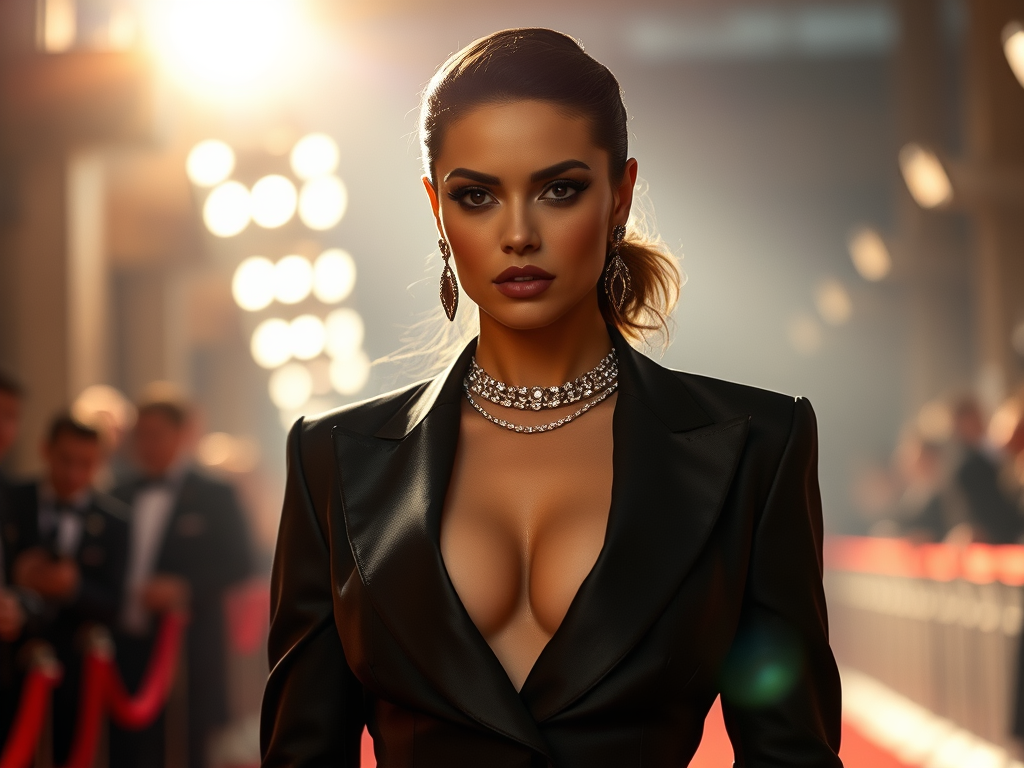
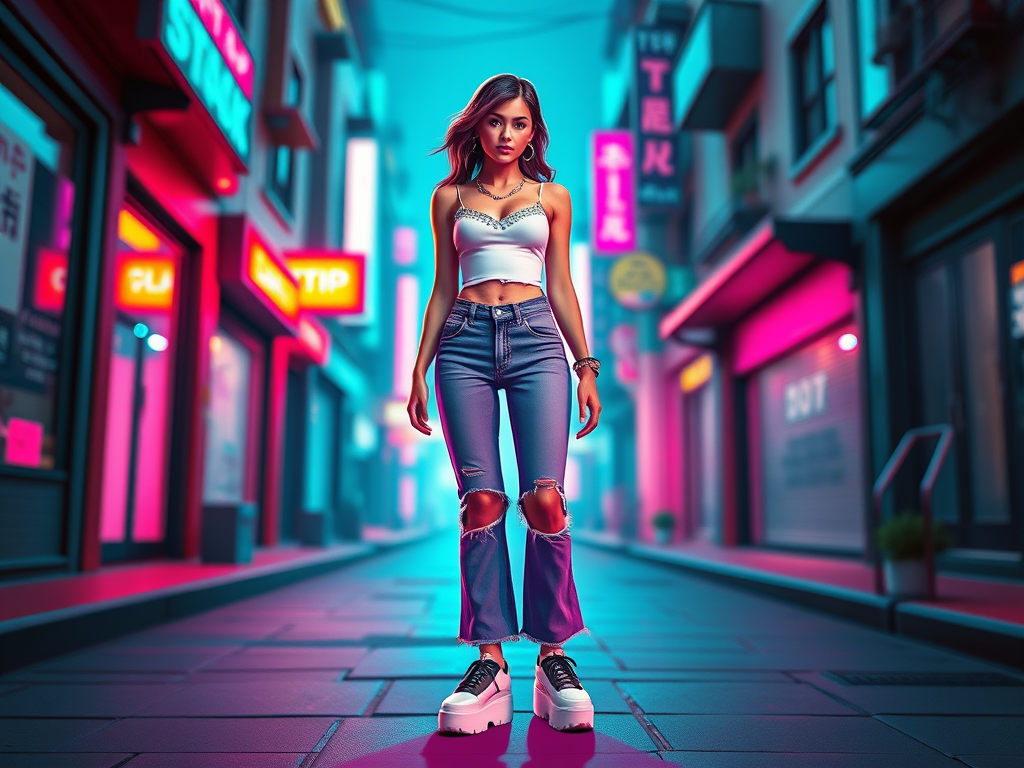
    A model wearing a celebrity-inspired, dress-free spring outfit, exuding red-carpet glamour with bold styling and statement accessories.

    Look Expensive for Less: Budget-Friendly Spring Style Hacks

    Let’s get real: looking good doesn’t have to cost a fortune.

    In fact, some of the most stylish people I know are masters of the budget-friendly game. They know how to work thrift stores and sales. With a little creativity, they build a wardrobe that looks like a million bucks—without the price tag. And this spring, you can do the same.

    First up: thrifting is your secret weapon. According to a 2025 ThredUp report, the secondhand market is growing 11 times faster than traditional retail. Why? Because it’s a goldmine for unique, high-quality pieces at a fraction of the cost. You are hunting for a vintage blazer. Alternatively, you are searching for a pair of barely-worn designer jeans. Thrift stores and online marketplaces like Poshmark and Depop are where the magic happens.

    Next, let’s talk capsule wardrobes. This isn’t just a buzzword—it’s a game-changer. By focusing on a small collection of versatile, high-quality basics, you can create endless outfit combinations without cluttering your closet. Think tailored trousers, a classic blazer, and a few statement tops. A 2024 Forbes article revealed that 63% of millennials are adopting capsule wardrobes to save money and reduce waste. It’s a win-win: you look polished, and your wallet stays happy.

    And don’t sleep on seasonal sales. Spring is prime time for snagging trendy pieces at a discount. Retailers often slash prices to make room for new inventory, so keep an eye out for markdowns. Here’s a pro tip: sign up for newsletters. Follow your favorite brands on social media. This will help you stay in the loop about flash sales and exclusive deals. A 2025 RetailMeNot survey found that 72% of shoppers save an average of 30% by timing their purchases with sales.

    The bottom line? Style isn’t about how much you spend—it’s about how you spend it. With a little strategy and a lot of creativity, you can build a spring wardrobe that’s both chic and affordable.

    A model wearing a chic, budget-friendly spring outfit in a neutral palette, proving that stylish dressing doesn’t have to be expensive.

    Own Your Style: How to Make Spring Fashion Unapologetically You

    Here’s the truth: fashion isn’t about fitting in—it’s about standing out.

    This spring, it’s time to ditch the cookie-cutter trends and embrace a style that’s 100% you. Because let’s be real: nothing feels better than walking out the door in an outfit that screams confidence and authenticity.

    Start by asking yourself: what colors, patterns, and silhouettes make you feel alive? According to a 2025 Psychology Today article, 78% of people feel more confident. This is when they wear colors that resonate with their personality. If you’re all about earthy tones, build a wardrobe around neutrals and add pops of color with accessories. If bold prints and vibrant hues are your jam, go all in. Your wardrobe should feel like a reflection of your inner self—not a carbon copy of someone else’s Instagram feed.

    Next, think about the pieces that tell your story. Maybe it’s a vintage jacket from your grandma’s closet or a handcrafted necklace from a local artisan. These aren’t just accessories—they’re conversation starters. A 2024 Etsy report found that 65% of shoppers favor unique, handmade items because they add personality to their wardrobes. So, don’t be afraid to mix in those sentimental or one-of-a-kind pieces. They’re what make your style truly yours.

    And here’s the kicker: confidence is the ultimate accessory. A 2025 Forbes study revealed that 82% of people feel more successful. Their success is linked to wearing outfits that align with their personal style. They feel empowered by such alignment. So, experiment with layering, play with textures, and mix proportions until you find what makes you feel unstoppable.

    The bottom line? Your wardrobe should be as unique as you are. This spring, let your style tell your story—loud and proud.

    A stylish model in a bold, personalized spring outfit, showcasing confidence and individuality in modern fashion.

    Stand Out, Don’t Blend In: The Art of Individuality in Spring Fashion

    Let’s cut through the noise: fashion isn’t about blending in—it’s about standing out.

    This spring, it’s time to ditch the rulebook and embrace a style that’s as unique as you are. Because here’s the thing: trends come and go, but your individuality? That’s forever.

    Start by asking yourself: what inspires you? Is it the bold strokes of street art, the rhythm of your favorite music, or the colors of a sunset? A 2025 Artsy report states that 72% of people feel more connected to their outfits. This happens when they incorporate elements of their personal passions. So, if you’re obsessed with the vibrant energy of graffiti, why not rock a bold, graphic print? If nature’s your muse, lean into earthy tones and organic textures. Your wardrobe should feel like a canvas, not a copycat.

    And here’s the fun part: mixing and matching is your superpower. Don’t be afraid to pair a vintage leather jacket with a modern slip dress. You can also throw on a bohemian kimono over tailored trousers. A 2024 Vogue survey found that 65% of fashion enthusiasts believe eclectic styling is the ultimate form of self-expression. So, go ahead—blend eras, cultures, and styles to create something that’s 100% you.

    But let’s not forget the most important rule: confidence is everything. In 2025, Psychology Today conducted a study. It revealed that 85% of people feel more empowered when they wear outfits that align with their personal identity. So, choose pieces that make you feel unstoppable. This is a flowy maxi skirt. It is a structured blazer. It is even a pair of sneakers you’ve had since high school.

    And if you’re on the hunt for unique, statement-making pieces to help you stand out this spring, check out Saflore. They offer bold prints. You can find one-of-a-kind accessories. They’ve got everything you need to build a wardrobe that’s as unique as you are.

    The bottom line? This spring, let your wardrobe be a celebration of you. Because in a world full of trends, the most stylish thing you can wear is your individuality.

    A model in a standout spring outfit, confidently contrasting against a muted crowd, symbolizing individuality and unique fashion choices.
  • Fashion Trends 1950s: The Stylish Era We Shouldn’t Bring Back!

    Fashion Trends 1950s: The Stylish Era We Shouldn’t Bring Back!

    Let’s get one thing straight: the 1950s were a vibe. Picture it—rock ‘n’ roll and drive-in movies. Fashion screamed “I woke up like this” (even if it took 2 hours and a can of hairspray). But here’s the kicker: not everything that glitters is gold. Sure, the ‘50s gave us some iconic looks. Let’s be real—some of those trends should’ve stayed in the past. They should be buried under a pile of poodle skirts and saddle shoes.

    In this deep dive, we’re unpacking the good, the bad, and the downright questionable of 1950s fashion. Think of it as a time capsule—except we’re deciding what stays locked away and what gets a second chance. Spoiler alert: some of these trends are so cringe, you’ll wonder how anyone ever thought they were a good idea.

    So, grab your martini (shaken, not stirred) and let’s take a stroll down memory lane. By the end of this, you’ll either be rushing to thrift stores. You snag some vintage gems. Alternatively, you’ll be thanking the fashion gods that we’ve moved on. Ready? Let’s go.

    The 1950s: Where Elegance Met Rebellion (And Some Trends We Should Leave Behind)

    Let’s talk about the 1950s—a decade that was equal parts elegance and extra. This was the era where fashion said, “Let’s go big or go home,” and boy, did it deliver. Poodle skirts double as parachutes. Dior’s “New Look” redefined femininity. The ‘50s were a masterclass in style. But here’s the thing: not all of it deserves a comeback.

    Take the poodle skirt, for example. Sure, it’s cute in a retro-nostalgia way. But let’s be honest—who’s got the time to rock a skirt that looks like it belongs at a sock hop? These full, circle skirts were the epitome of post-war optimism. They were paired with fitted tops and cinched waists. This created that iconic hourglass silhouette. They were fun, flirty, and very 1950s. But today? They’re more costume than closet staple. Fun fact: The poodle skirt craze was so massive that by 1955, over 1.5 million skirts were sold annually in the U.S. alone, according to Vintage Dancer. That’s a lot of poodles.

    Then there’s Dior’s “New Look.” Oh, you’ve heard of it? Of course, you have—it’s the trend that basically invented the phrase “dress to impress.” Soft shoulders, cinched waists, and skirts so full they could hide a small family. It was glamorous. It was luxurious. It was a giant middle finger to the utilitarian styles of the war years. Designers like Givenchy and Balenciaga jumped on the bandwagon, turning women into walking works of art. But here’s the kicker: while it was revolutionary, it also boxed women into a very specific idea of femininity. And let’s not even get started on how impractical those skirts were for, you know, life. Did you know that a single “New Look” dress use up to 25 yards of fabric? That’s enough material to make three modern dresses, according to The Metropolitan Museum of Art. Talk about overkill.

    And let’s not forget the guys. The ‘50s gave us Marlon Brando in a leather jacket, forever cementing it as the ultimate symbol of cool. But it also gave us slim-fit suits and narrow lapels, which, let’s be real, are still fire. The contrast between rebellious youth culture and polished sophistication was stark. This dynamic mix created a fashion landscape that was both diverse and iconic.

    So, while the 1950s gave us some unforgettable looks, not all of them deserve a spot in your 2025 wardrobe. Some trends are better left in the past—where they can stay iconic without cluttering your closet.

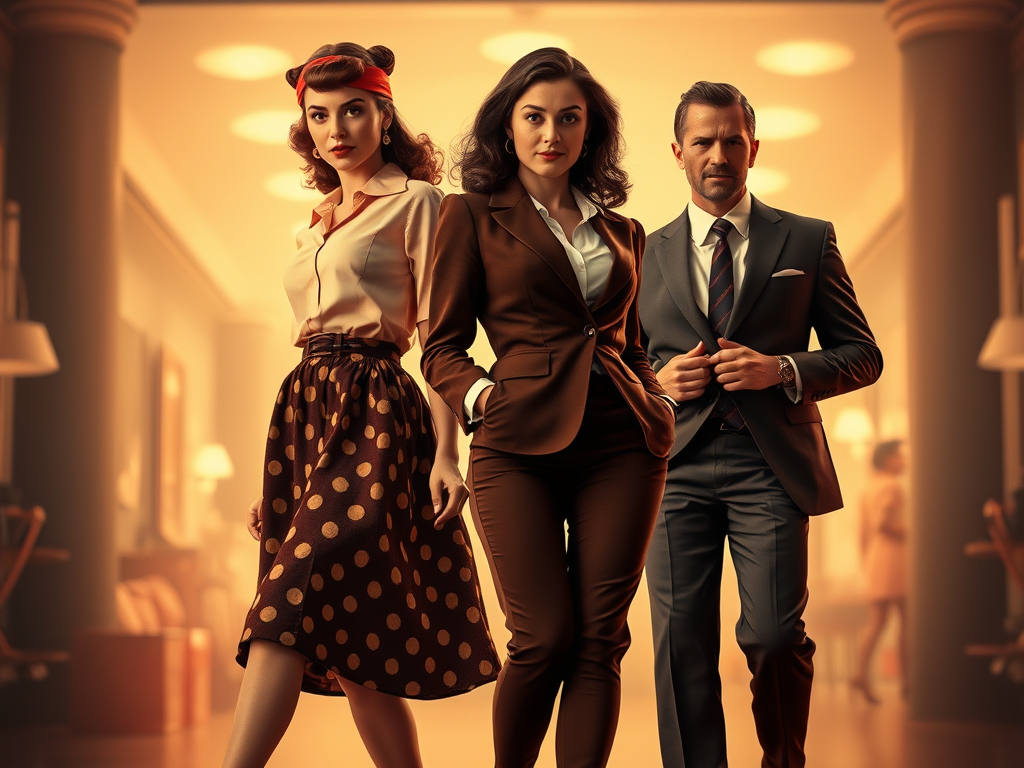
    A fashion editorial image featuring two models in 1950s-inspired outfits—one in a classic tea-length dress, the other in a rebellious leather jacket and pencil skirt. The lighting and colors create a modern, elegant take on vintage style.

    From Poodle Skirts to Power Suits: How Fashion Evolved (And Left Some Trends Behind)

    Let’s be real: fashion doesn’t just change—it revolts. And the evolution since the 1950s is proof that style is never static. The journey began with cinched waists and full skirts. It has now transformed into a kaleidoscope of trends. Each trend is a reflection of the times. But here’s the twist: not every trend from the past deserves a second act.

    The 1960s kicked things off with a bang, ditching the prim and proper for miniskirts and psychedelic prints. Designers like Mary Quant and André Courrèges said, “Bye, bye, hourglass silhouette,” and hello to liberation. This wasn’t just a fashion shift—it was a cultural earthquake. The miniskirt became a symbol of women’s empowerment. Sales skyrocketed by 300% between 1965 and 1970, according to The Fashion Institute of Technology. The ‘60s didn’t just change clothes; they changed minds.

    Then came the ‘70s and ‘80s, where fashion went full-on rebellious. Bohemian chic, power suits, punk leather, and disco glitter—it was a free-for-all. Designers like Yves Saint Laurent and Gianni Versace didn’t just push boundaries; they obliterated them. And let’s not forget the rise of gender fluidity. By the ‘80s, androgynous styles were breaking down traditional norms, proving that fashion is a tool for inclusivity. Fun fact: Versace’s iconic safety-pin dress, worn by Elizabeth Hurley in 1994, is a landmark piece of fashion history. It is one of the most famous dresses ever made. It has been displayed in high end locations. The dress has also been offered for sale in these venues, according to Christie’s. Talk about leaving a legacy.

    Fast forward to the 21st century, and fashion is moving at warp speed—literally. Fast fashion brands like Zara and H&M can turn a runway look into a $20 dress in weeks. But here’s the catch: this convenience comes at a cost. The fashion industry is responsible for 10% of global carbon emissions, according to the United Nations Environment Programme. Yikes.

    Now, we’re seeing a return to the craftsmanship and quality of the past—think 1950s tailoring but with a modern twist. Designers are blending vintage aesthetics with sustainable practices, proving that fashion can honor its roots without repeating its mistakes.

    So, while the 1950s gave us some unforgettable looks, the evolution of fashion since then has been a wild ride. Some trends deserve to stay in the past, while others? Well, they’re worth revisiting—just with a 21st-century upgrade.

    A split-fashion editorial image showcasing the evolution from 1950s poodle skirts to modern power suits, with contrasting backgrounds representing past and present fashion.

    Sorry, Not Sorry: Why These 1950s Trends Need to Stay in the Past

    Let’s cut to the chase: not every trend from the 1950s deserves a comeback. Sure, the decade gave us some iconic looks. But, let’s be real—some of them are better left in the history books. Why? Because fashion isn’t just about looking good; it’s about fitting into the world we live in today. And some 1950s styles? They just don’t make the cut.

    Take the poodle skirt, for example. Adorable? Absolutely. Practical? Not even close. These full, circle skirts were the epitome of post-war fun. Let’s face it—they’re about as functional as a screen door on a submarine. Today, 64% of consumers value comfort in their clothing choices. A 2022 report by McKinsey & Company shows this trend. The poodle skirt’s exaggerated silhouette feels more like a costume. It does not resemble a wardrobe staple. It does not resemble a wardrobe staple. And those playful motifs? Cute for a themed party, but they don’t exactly scream “2023 chic.”

    Then there are saddle shoes. Once the go-to footwear for rebellious teens, these two-tone oxfords now look outdated. They have about as much appeal as your dad’s high school yearbook photo. Sure, they’ve got vintage charm, but compared to today’s sleek, versatile sneakers and boots, they’re clunky relics of the past. The global sneaker market is projected to hit $120 billion by 2026 (per Statista). This projection proves that comfort and style are the ultimate power duo. Saddle shoes? They’re sitting this one out.

    But here’s the real kicker: 1950s fashion was built on rigid gender norms that just don’t fly today. Hyper-feminine silhouettes for women and sharp, boxy suits for men? That binary thinking feels outdated. 56% of Gen Z consumers actively seek out gender-neutral clothing (according to Vogue Business). Fashion today is about breaking barriers, not reinforcing them.

    So, while we can appreciate the nostalgia of 1950s styles, let’s not kid ourselves—some trends are better off as memories. Because fashion should move ahead, not backward.

    A modern fashion editorial image exaggerating outdated 1950s trends, with models wearing oversized skirts and restrictive corset dresses against a sleek, minimalist background.

    The 1950s Are Back (But Not How You Remember Them)

    Let’s get one thing straight: the 1950s aren’t gone—they’re just evolving. Sure, some trends from that era are better left in the past. I’m looking at you, poodle skirts. But the influence of 1950s fashion? It’s everywhere. Designers today are taking those iconic silhouettes. They are giving them a modern makeover. This proves that good style never really dies. It just gets a fresh coat of paint.

    Take the hourglass figure, for example. Dior’s “New Look” has been born in the ‘50s, but it’s alive and well in 2023. Structured dresses, cinched waists, and tailored pieces are making a major comeback, but with a twist. Think less “June Cleaver” and more “Zendaya on the red carpet.” In fact, the global market for vintage-inspired clothing is expected to grow by 6.5% annually through 2027, according to Grand View Research. Why? Because nostalgia sells—but only when it’s updated for the modern world.

    And let’s not forget the rebellious spirit of the ‘50s. That rock ‘n’ roll energy? It’s still alive in today’s street style. Leather jackets, graphic tees, and denim everything are staples of casual wear. They owe a lot to the greasers and rebels of the mid-century. Brands like Levi’s and AllSaints are capitalizing on this vibe. Denim sales alone are projected to hit $87 billion by 2027 (per Statista). The lesson? Rebellion never goes out of style.

    But here’s the real game-changer: the 1950s’ emphasis on quality and craftsmanship is having a major moment. In a world drowning in fast fashion, consumers are craving pieces that last. Enter the rise of sustainable fashion. Designers are revisiting traditional techniques and materials, creating garments that honor the past while embracing the future. A 2021 report by McKinsey & Company found that 67% of consumers consider sustainable materials when making a buy. That’s not just a trend—it’s a movement.

    We’re not bringing back every 1950s trend. Seriously, let’s leave the saddle shoes behind. Yet, the era’s influence is undeniable. It’s a reminder that fashion isn’t just about looking back—it’s about moving ahead, one stylish step at a time.

    A high-fashion editorial featuring models in reimagined 1950s silhouettes with modern details, set against a minimalist backdrop blending nostalgia and contemporary style.

    Nostalgia Is Fun, But Practicality Wins Every Time

    Let’s be honest: we all love a good throwback. There’s something irresistible about the romanticized charm of vintage fashion. The vibrant colors captivate us. We adore the playful patterns. It’s all tied to the idea of a simpler time. But here’s the cold, hard truth: nostalgia doesn’t always translate to real life. Sure, a 1950s-inspired fitted dress can make you feel like Audrey Hepburn, but can you actually live in it? Spoiler alert: probably not.

    Fashion today is more about practicality than glamour. It’s about surviving your 9-to-5, your kid’s soccer practice, and that impromptu happy hour—all without changing clothes. According to a 2023 report by Euromonitor International72% of consumers prioritize comfort and versatility in their clothing choices. That’s a far cry from the structured, often restrictive silhouettes of the 1950s.

    Take the iconic 1950s pencil skirt, for example. It’s sleek, it’s chic, and it’s perfect for… standing still. But try running for the bus in one. Chase a toddler and you’ll quickly realize why modern fashion leans toward stretchy fabrics and relaxed fits. The rise of athleisure is undeniable. It’s a market projected to hit $517 billion by 2025 according to Allied Market Research. This trend shows that practicality isn’t just a trend; it’s a lifestyle.

    And let’s not forget the role of social media. In the age of Instagram and TikTok, fashion moves at lightning speed. The pressure to constantly showcase new looks means people are less to invest in one-and-done statement pieces. Instead, they’re opting for versatile, mix-and-match items that can do double (or triple) duty. A 2022 survey by Deloitte found that 65% of consumers prefer buying timeless, versatile pieces over trendy items. Translation: nostalgia is nice, but it’s not paying the bills.

    The 1950s have given us some unforgettable looks. Nonetheless, the modern wardrobe focuses on balancing style with sensibility. At the end of the day, fashion isn’t just about looking good. It’s about living your life without tripping over your own hemline.

    A fashion shoot comparing impractical 1950s fashion with modern, effortless style, featuring models in exaggerated vintage outfits versus sleek contemporary looks.

    How to Steal the Best of the 1950s (Without Looking Like a Time Traveler)

    Let’s face it: not everything from the 1950s deserves a comeback. But that doesn’t mean we can’t steal the good stuff and make it work for 2023. The key? Reimagining classic elements in a way that feels fresh, modern, and—most importantly—wearable. Think of it as vintage fashion, but with a glow-up.

    Take the A-line dress, for example. It’s a 1950s staple that’s stood the test of time. However, let’s be real—no one wants to wear stiff taffeta anymore. Scratchy petticoats are also a thing of the past. Enter modern updates: lightweight fabrics, bold prints, and innovative cuts that keep the silhouette but ditch the discomfort. Brands like Reformation and Sézane are killing it with this approach, proving that nostalgia can be chic. In fact, the global market for vintage-inspired clothing is expected to grow by 6.5% annually through 2027, according to Grand View Research). Why? Because people love the past—just not the impractical parts.

    And let’s talk accessories. Cat-eye sunglasses, structured handbags, and bold earrings are the ultimate cheat code for adding a retro vibe to any outfit. These pieces are like the seasoning of fashion—just a sprinkle can transform a basic look into something special. Case in point: the global accessories market is projected to hit $722 billion by 2028 (per Allied Market Research). Vintage-inspired designs are a significant driver of that growth.

    But here’s where it gets really fun: mixing 1950s motifs with modern styles. Imagine polka dots on a bomber jacket or gingham paired with streetwear. It’s unexpected, it’s bold, and it’s so now. Designers like Gucci and Miu Miu are already playing with this juxtaposition, creating pieces that feel both nostalgic and cutting-edge. A 2022 report by WGSN found that 78% of consumers are drawn to fashion that blends vintage and contemporary elements. Translation: people want the best of both worlds.

    We’re not bringing back every 1950s trend. Seriously, let’s leave the crinoline skirts in the past. Still, there’s plenty to love—and steal—from the era. It’s all about taking the good, ditching the bad, and making it work for today. Because fashion isn’t just about looking back; it’s about moving ahead with style.

    A modern fashion editorial showcasing a model in a vintage-meets-contemporary outfit, blending 1950s silhouettes with modern accessories and styling.

    Can You Love Retro Fashion Without Hurting the Planet? (Spoiler: Yes, But Here’s How)

    The allure of retro fashion is undeniable. There’s something magical about slipping into a 1950s-inspired piece—it’s like stepping into a time machine, if only for a moment. But as we embrace these nostalgic styles, it’s worth asking: can we celebrate the past without compromising our future? The fashion industry is under increasing scrutiny for its environmental impact. It’s also facing ethical challenges. Thus, how we approach retro fashion matters more than ever.

    The problem isn’t the nostalgia—it’s how the industry often exploits it. Fast fashion brands have commodified vintage aesthetics. They churn out cheap replicas that mimic the look of the 1950s. Yet, these replicas lack the quality and integrity of the originals. These garments are often produced under questionable labor conditions and contribute to the industry’s staggering environmental footprint. Consider this: the fashion industry is responsible for 10% of global carbon emissions, according to the United Nations Environment Programme. That’s more than all international flights and maritime shipping together. It’s a sobering reminder of the cost of our clothing choices.

    But there’s a better way. Supporting sustainable brands that focus on ethical production techniques is one way to navigate the complexities of retro fashion. Many contemporary designers are reimagining vintage silhouettes using eco-friendly materials, fair labor practices, and transparent supply chains. We can invest in high-quality, ethically produced garments that draw inspiration from the 1950s. This allows us to enjoy the nostalgic appeal. At the same time, we contribute to a more sustainable fashion ecosystem. This shift honors the craftsmanship of the past. It also aligns with modern values of environmental consciousness. Additionally, it supports social responsibility.

    Another choice? Thrifting. The revival of second-hand shopping has transformed vintage stores and online platforms into treasure troves. These platforms offer 1950s-inspired pieces, each with its own unique history. By embracing pre-loved fashion, we can curate wardrobes that show our personal style. This also helps in reducing the demand for new clothing production. The second-hand market is booming. Projections suggest it will double in size by 2027. It is expected to reach a staggering $350 billion, according to ThredUp’s 2023 Resale Report. That’s not just a trend—it’s a movement.

    At its core, embracing retro fashion ethically is about balance. It’s about honoring the past without romanticizing it, and celebrating style without sacrificing our values. By making thoughtful choices, we can enjoy the best of 1950s fashion. We can also contribute to a more responsible and sustainable future.

    A sustainable fashion editorial with a model wearing a thrifted, vintage-inspired outfit in an eco-conscious setting, blending 1950s elegance with modern ethical fashion.

    How the Fashion Industry Keeps Vintage Trends Alive (For Better or Worse)

    The fashion industry has a love affair with the past—and it’s not exactly a secret. From runway shows to fast fashion racks, vintage trends are constantly being resurrected, reimagined, and resold. Designers and brands act as time travelers. They pluck iconic elements from decades like the 1950s. These elements are repackaged for modern audiences. But while this cyclical nature of fashion keeps history alive, it also raises some tough questions. Are we celebrating creativity? Or are we just recycling it? And at what cost?

    Fashion weeks are ground zero for this nostalgia-driven cycle. Each season, designers like Gucci, Prada, and Marc Jacobs send models down the runway. Their collections scream “vintage vibes.” In 2023 alone, 35% of runway shows featured overt references to past decades, according to Vogue’s Fashion Week Report. These shows don’t just celebrate the past—they market it, turning retro styles into must-have trends. But here’s the catch: if designers aren’t careful, their collections seem more like carbon copies. They not feel like fresh interpretations. The key is striking a balance between homage and innovation—a challenge the industry is still grappling with.

    And then there’s social media, the ultimate amplifier of vintage trends. Influencers are flooding platforms like Instagram and TikTok with #ThrowbackFits. Everyday fashion lovers are doing the same. This sparks a grassroots revival of styles from the 1950s and beyond. This organic buzz often translates into big business for brands. For example, searches for “vintage-inspired fashion” on platforms like Pinterest have increased significantly. They have surged by 40% in the last year, according to Pinterest Trends. But as brands rush to meet this demand, they risk prioritizing profit over principles.

    The real challenge? Ensuring that the resurgence of vintage fashion doesn’t come at the expense of sustainability and ethical practices. Fast fashion brands, in particular, are notorious for producing cheap, low-quality replicas of retro styles. This practice adds to the industry’s 92 million tons of textile waste annually (as reported by the Ellen MacArthur Foundation). If the fashion industry wants to keep vintage trends alive, it needs to do so in a responsible manner. The industry must honor the past. It should avoid repeating past mistakes.

    A high-fashion editorial image featuring models in outfits that reinvent 1950s trends with modern tailoring and fabrics, showcasing how vintage styles continue to influence fashion.

    The Future of Fashion: Learning from the 1950s Without Living in Them

    Let’s face it: the 1950s gave us some unforgettable fashion moments. The glamour of Dior’s “New Look” was notable. The rebellious edge of leather jackets also stood out. The decade left an indelible mark on style. But as much as we love a good throwback, the future of fashion isn’t about living in the past. It’s about learning from it. The challenge? We must strike a balance between honoring those iconic trends. We also need to push the industry ahead in a way that’s ethical, inclusive, and innovative.

    The 1950s were all about structure, polish, and a very specific idea of femininity and masculinity. But today’s fashion is breaking free from those rigid norms. Gender-neutral clothing is on the rise, with 56% of Gen Z consumers actively seeking out pieces that transcend traditional gender roles, according to Vogue Business). This shift isn’t just about style—it’s about progress. And while we can appreciate the craftsmanship of 1950s fashion, we don’t have to replicate its limitations.

    Sustainability is another area where the future is leaving the past in the dust. The 1950s were all about excess—think full skirts that used 25 yards of fabric (per The Metropolitan Museum of Art). Today, we’re moving toward a more mindful approach. The second-hand apparel market is booming, with projections suggesting it will nearly double in size by 2027 and reach $350 billion by 2028 according to ThredUp’s 2023 Resale Report). That’s not just a trend—it’s a revolution.

    So, what’s the takeaway? The 1950s taught us that fashion is powerful—it can define an era, challenge norms, and tell a story. But the future of fashion is about more than just looking back. It’s about taking the best of the past. We need to embrace its craftsmanship, creativity, and boldness. We can use these elements to build a more sustainable, inclusive, and innovative industry. Because fashion isn’t just about where we’ve been—it’s about where we’re going.

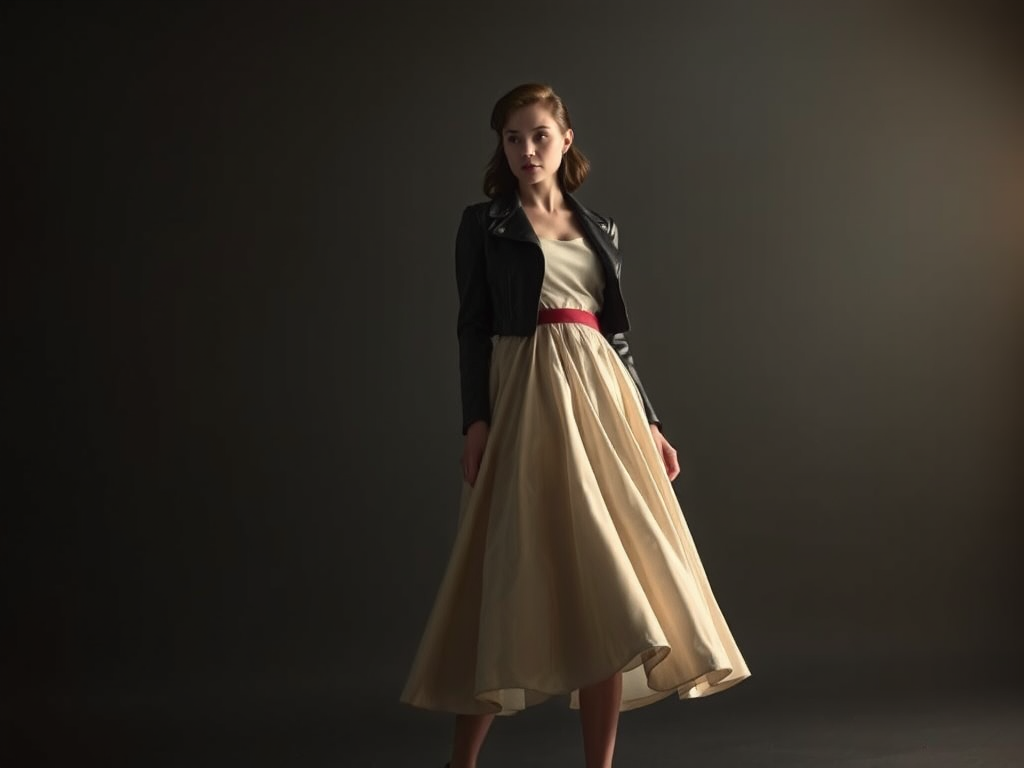
    A futuristic fashion editorial blending 1950s silhouettes with modern innovation, featuring a model in a structured, minimalistic dress against a sleek backdrop.
  • Best Dresses for Apple Shape? Why Most Style Advice Is Completely Wrong!

    Best Dresses for Apple Shape? Why Most Style Advice Is Completely Wrong!

    Tired of scrolling through generic style advice that doesn’t work for your body? Done with feeling like you’re fighting your shape instead of flaunting it? Good. Because today, we’re flipping the script.

    This isn’t another “hide your midsection” spiel. Nope. We’re here to celebrate your curves. We want to boost your confidence. We will show you how to dress in a way that makes you feel unstoppable. Think chic silhouettes, strategic styling hacks, and outfits that turn heads for all the right reasons.

    But here’s the kicker: most style advice for apple shapes is dead wrong. We’re debunking the myths, ditching the outdated rules, and giving you the real deal. Ready to own your fashion narrative and slay every outfit? Let’s go.

    Understanding the Apple Shape Body: Why It’s Time to Ditch the Rules

    Let’s cut through the noise.

    The apple shape body is defined by a fuller bust, a wider midsection, and narrower hips. Translation? You carry weight around your waist, and your upper body feels more prominent than your lower half. But here’s the thing—your legs and arms are often your secret weapons. Slim, toned, and ready to steal the show.

    Yet, most style advice for apple shapes is stuck in the dark ages. “Hide your waist.” “Avoid fitted clothes.” “Stick to boring, boxy shapes.”

    Newsflash: That’s not style—it’s surrender.

    The truth? Dressing for an apple shape isn’t about hiding. It’s about balancing. It’s about creating proportions that highlight your best features (hello, legs!) while making you feel confident and comfortable. Consider structured shoulders to elongate your upper body. Select tailored pieces that cinch at the waist. Choose fabrics that drape beautifully without adding bulk.

    And let’s get one thing straight: Your body is not a problem to solve. It’s a canvas to celebrate. The apple shape is just one of many body types, and there’s no “right” way to dress it. The goal? Find what makes you feel unstoppable.

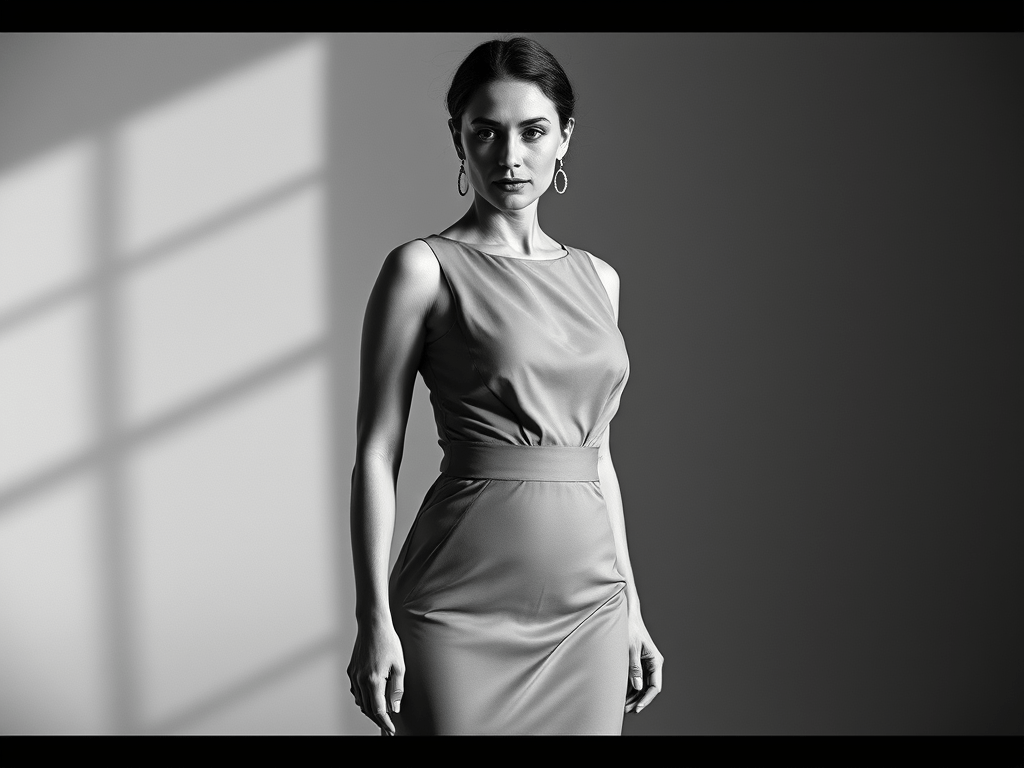
    A confident woman with an apple-shaped body in a chic, well-fitted dress, captured in a modern fashion magazine aesthetic.

    Fashion Tips for Apple Shape Women: How to Dress to Impress (Without the Stress)

    Let’s get real—dressing for an apple shape isn’t about hiding. It’s about balancing.

    The goal? Create a silhouette that highlights your best features while making you feel like a million bucks. Here’s how to do it without falling into the “baggy clothes” trap.

    1. Fit is Everything

    Forget shapeless sacks. The secret to looking polished? Tailored pieces that fit like they were made for you. Look for tops and dresses with empire waists. You can also choose styles with slight bust definition. These styles cinch where it counts and create a flattering shape. Pro tip: Avoid anything too loose. It doesn’t hide; it overwhelms.

    2. Layer Like a Pro

    Layering isn’t just for staying warm—it’s your secret weapon for creating dimension. Think lightweight cardigans, structured blazers, and longline jackets that fall below the hip. These pieces add structure, elongate your frame, and make you look effortlessly put-together.

    And don’t forget the power of a V-neckline. It’s not just flattering—it’s a game-changer. It draws the eye upward, elongates your neck, and balances your proportions.

    3. Accessorize to Maximize

    Here’s where the fun begins. Accessories aren’t just add-ons—they’re your chance to shine. A statement necklace, bold earrings, or a chic belt can transform an outfit. These items create focal points that steal the show.

    The best part? Accessories let you express your personality while diverting attention from areas you’re less confident about. Win-win.

    A stylish collage of outfit ideas for apple-shaped women, featuring flattering styles in a modern fashion magazine aesthetic.

    Choosing Flattering Tops: The Ultimate Guide for Apple Shapes

    Let’s talk tops.

    For apple-shaped women, the right top can make or break your outfit. The goal? Balance your silhouette, highlight your best features, and feel damn good doing it. Here’s how to nail it every time.

    1. Silhouettes That Work

    A-line cuts and flowy silhouettes are your best friends. They skim over the midsection without clinging, creating a smooth, flattering look. And don’t sleep on ruching or draping details—they add texture and disguise areas you want to downplay.

    Pro tip: Look for fabrics with stretch. They’re comfortable, forgiving, and still look polished.

    2. Necklines That Wow

    Your neckline is your secret weapon. Tops with embellishments like ruffles, beading, or even a bold print draw the eye upward, highlighting your face and décolletage.

    And let’s not forget the magic of V-necks and scoop necks. They elongate your torso, create balance, and make you look taller. Vertical stripes? Even better. They’re like a cheat code for a longer, leaner silhouette.

    3. Layer Like a Pro

    Layering isn’t just practical—it’s stylish. A lightweight cardigan, structured blazer, or long vest can add shape and dimension to your outfit.

    Stick to longer styles that fall below your hips. They create a streamlined look and balance your proportions.

    A woman in a stylish, flattering top designed for apple shapes, captured in a fashion magazine-inspired aesthetic.

    Bottoms That Complement the Apple Shape: How to Balance Your Silhouette

    Let’s talk bottoms.

    For apple-shaped women, the right pair of pants or skirt can transform your look. The goal? Balance your upper and lower body, define your waist, and create a silhouette that turns heads. Here’s how to do it.

    1. Styles That Work

    A-line skirts, wide-leg trousers, and bootcut jeans are your go-tos. They add movement, flatter your hips and thighs, and draw attention away from the midsection.

    Pro tip: When it comes to skirts, aim for lengths that hit at or just below the knee. It’s a universally flattering look that elongates your legs and creates a polished silhouette.

    2. High-Waisted Magic

    High-waisted bottoms? Absolute game-changers. They define your waist, smooth your midsection, and create an hourglass illusion.

    Pair them with a fitted top, and you’ve got a look that screams confidence. Bonus points if they have stretch—comfort and structure in one.

    3. Fabric Matters

    Not all fabrics are created equal. Go for materials with weight, like denim or thick cotton blends. They offer support, shape, and a smooth finish.

    Avoid clingy fabrics that highlight areas you’d rather downplay. Structured materials that skim your body? That’s the sweet spot.

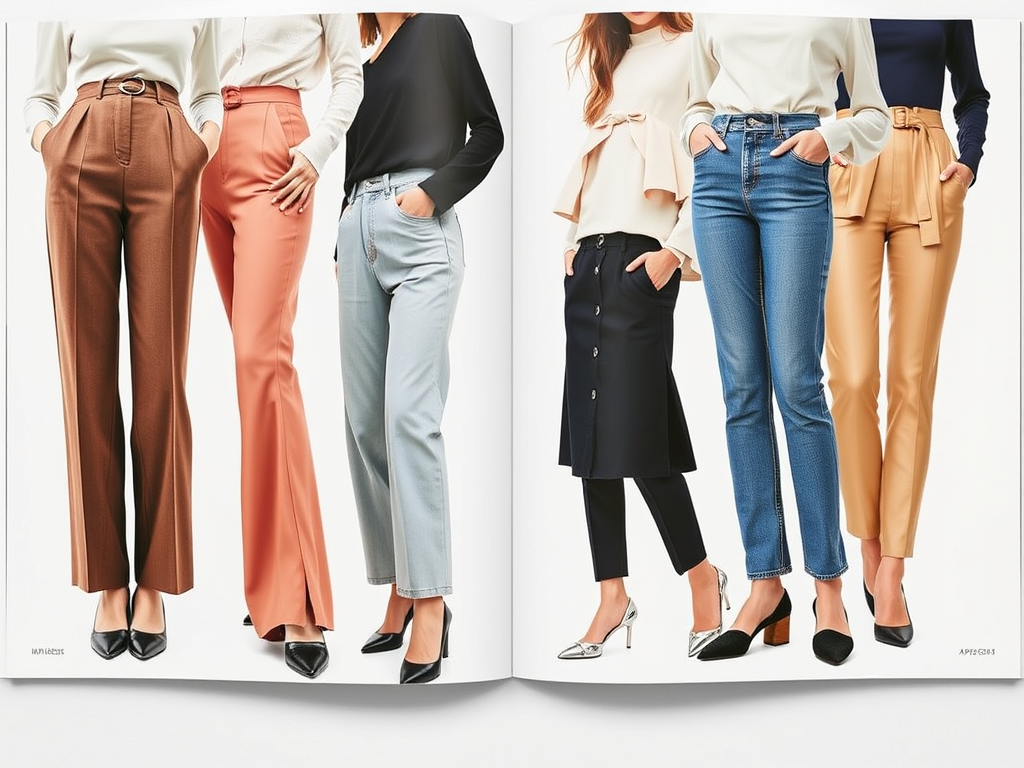
    A curated fashion magazine layout displaying stylish bottoms that complement apple-shaped bodies.

    Dresses and Skirts for Apple Shapes: How to Look and Feel Amazing

    Let’s talk dresses and skirts.

    For apple-shaped women, these pieces can be your secret weapon. The right style can balance your silhouette, highlight your best features, and make you feel unstoppable. Here’s how to nail it.

    1. Dresses That Work

    A-line and fit-and-flare dresses are your best friends. They cinch at the waist and flow over your hips, creating a balanced, flattering silhouette.

    Pro tip: Look for empire waists or ruching around the midsection. These details add shape and disguise areas you want to downplay.

    Maxi dresses? Another winner. They’re comfortable, stylish, and create an elongated look. Go for styles with defined waistlines or add a belt to accentuate your figure.

    2. Skirts That Shine

    A-line and wrap skirts are perfect for apple shapes. They offer freedom of movement and a flattering fit.

    Avoid pencil skirts or anything too tight—they can cling to the midsection and throw off your proportions. Instead, choose skirts that hit at or below the knee. They balance your look and highlight your legs.

    3. Fabric and Patterns

    Fabric matters. Go for materials that drape well and offer movement. Think flowy, structured fabrics that skim your body without clinging.

    And don’t forget patterns. Vertical stripes or solid colors elongate your frame and create a streamlined look.

    A stylish woman in a flattering dress for apple shapes, captured in a high-fashion editorial aesthetic.

    Styling Accessories for Apple Shapes: The Secret to Elevating Your Look

    Let’s talk accessories.

    For apple-shaped women, the right accessories can take your outfit from “meh” to “wow.” They’re not just add-ons—they’re tools to balance your silhouette, highlight your best features, and make you feel unstoppable. Here’s how to use them like a pro.

    1. Jewelry That Pops

    Statement necklaces and bold earrings are your secret weapons. They draw attention to your face and create a focal point away from your midsection.

    Pro tip: Go for longer necklaces. They create vertical lines that elongate your upper body and balance your proportions.

    2. Belts That Define

    Belts? Absolute game-changers. A wide belt at your natural waistline can define your shape and add structure to your outfit.

    Avoid thin belts—they don’t provide enough definition. Instead, opt for styles with embellishments or patterns that draw the eye. Experiment with placements to find what works best for you.

    3. Bags and Shoes That Shine

    Your handbag and shoes can make or break your look. Choose structured bags that add dimension without overwhelming your frame.

    And don’t forget footwear. Heels or ankle boots elongate your legs and create a polished, put-together appearance.

    A curated flat-lay of stylish accessories that elevate apple shape fashion, designed in a modern magazine aesthetic.

    Colors and Patterns for Apple Shapes: How to Dress Smarter, Not Harder

    Let’s talk colors and patterns.

    For apple-shaped women, the right shades and prints can transform your look. They’re not just about style—they’re about strategy. Here’s how to use them to your advantage.

    1. Colors That Work

    Darker shades are your best friend. They’re slimming, sleek, and create a streamlined look.

    But don’t ditch color entirely. Strategic pops of brightness can elevate your outfit and showcase your personality. Pro tip: Use bold colors on the lower half of your outfit to draw attention to your legs.

    2. Patterns That Pop

    Vertical stripes? Absolute gold. They elongate your frame and create a slimming effect.

    Avoid large, bold patterns that draw attention to your midsection. Instead, go for smaller prints or subtle textures that add interest without overwhelming your silhouette.

    3. Texture Matters

    Texture is the unsung hero of fashion. Fabrics like lace, chiffon, or knits add depth and dimension to your outfits.

    Layering different textures? Even better. It creates a dynamic look and lets you express your style.

    A fashionable woman wearing stylish color-blocking and patterns that enhance her apple shape, in a modern fashion magazine aesthetic.

    Embracing Body Confidence: How to Own Your Apple Shape Like a Boss

    Let’s get one thing straight: Confidence isn’t about having the “perfect” body—it’s about owning the one you’ve got.

    For apple-shaped women, fashion isn’t just about looking good—it’s about feeling unstoppable. Here’s how to embrace your shape, celebrate your uniqueness, and walk into any room like you own it.

    1. Celebrate Your Shape

    Your body is unique, and that’s your superpower. Stop trying to hide it and start celebrating it.

    Surround yourself with positive influences—follow body-positive communities, read empowering stories, and ditch anyone who makes you feel less than fabulous. Confidence starts with how you see yourself.

    2. Fashion as Self-Expression

    Fashion isn’t just clothes—it’s a way to tell the world who you are.

    Experiment with styles, colors, and patterns that show your personality. Try new trends, even if they’re outside your comfort zone. You be surprised at what makes you feel amazing.

    Pro tip: When you wear what you love, it shows. Confidence is the best accessory you can have.

    3. Give Yourself Grace

    Some days, you’ll feel like a million bucks. Other days? Not so much. And that’s okay.

    Fashion is supposed to be fun, not stressful. Focus on what you love about your body and your style. Confidence is a journey, not a destination.

    A confident woman in a power pose, wearing a chic outfit that celebrates her apple-shaped figure in a fashion magazine-inspired aesthetic.

    Shopping Guide for Apple Shapes: Build a Wardrobe That Works for You

    Let’s talk shopping.

    For apple-shaped women, building a wardrobe that flatters your figure doesn’t have to be a chore. It’s about knowing what to look for and investing in pieces that make you feel confident and unstoppable. Here’s your ultimate guide to curating a wardrobe that works as hard as you do.

    1. Bottoms That Balance

    Start with the basics: high-waisted trousers and A-line skirts. These pieces create a balanced silhouette, define your waist, and flatter your hips.

    Pro tip: Look for styles with stretch. They’re comfortable, forgiving, and still look polished.

    2. Tops That Flatter

    Your tops should work for you, not against you. Go for blouses with defined waists, flowy silhouettes, and details like ruffles or embellishments that draw the eye upward.

    Fabrics matter too. Choose materials that drape well and skim your body without clinging.

    3. Dresses That Shine

    A-line and fit-and-flare dresses are your go-tos. They cinch at the waist and flow over your hips, creating a balanced, flattering look.

    Maxi dresses? Another winner. They’re comfortable, stylish, and elongate your frame.

    4. Layering Pieces That Add Structure

    Don’t forget the power of layering. Tailored blazers, lightweight cardigans, and long vests add shape and dimension to your outfits.

    Looking to build your wardrobe with stylish, flattering pieces? Check out Saflore. Our collection is curated with apple-shaped women in mind, offering everything from high-waisted trousers to flowy blouses and A-line dresses. Find the perfect pieces to enhance your silhouette and express your unique style.

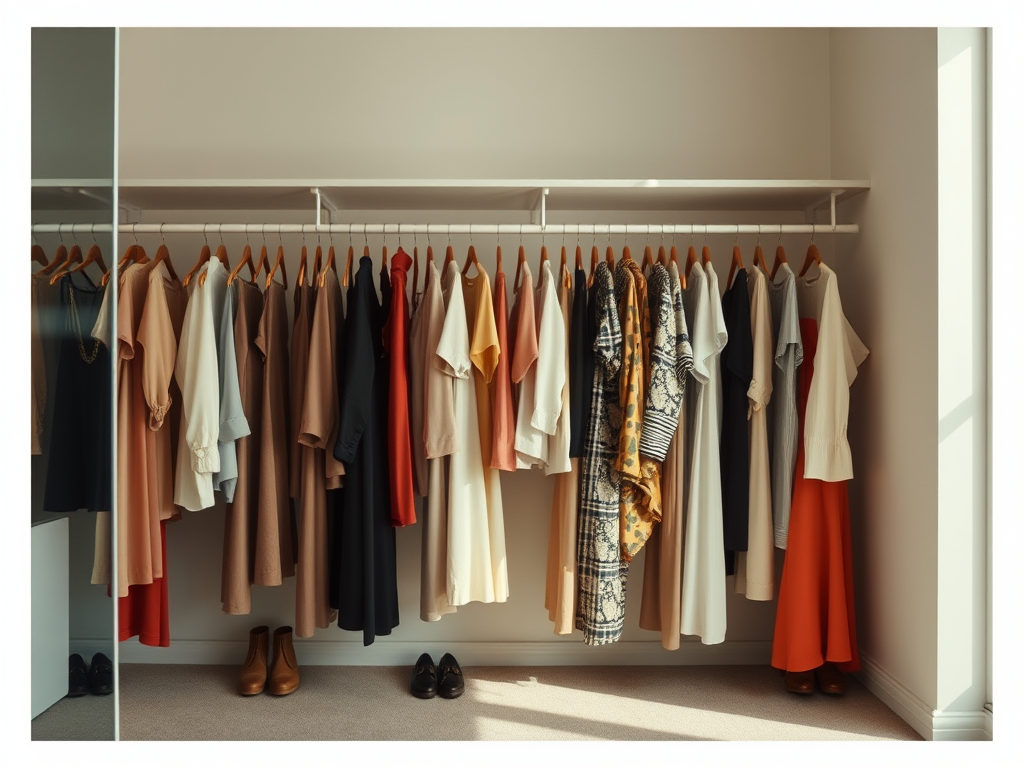
    A chic, well-organized wardrobe filled with stylish clothing for apple-shaped women, designed in a modern editorial aesthetic.

    Your Style, Your Rules: Redefining Fashion for Apple Shapes

    Let’s end this with a bang.

    Fashion isn’t about fitting into a mold—it’s about breaking it. For apple-shaped women, this means celebrating your unique beauty and owning your style with confidence. You’ve got the tools, the tips, and the tricks. Now it’s time to make them yours.

    1. Fashion as Self-Expression

    Your body is your canvas, and your clothes are the paint. There are no rules, no limits—just you and your creativity.

    Experiment with styles, colors, and patterns that make you feel unstoppable. Forget the “shoulds” and focus on the “wants.” When you wear what you love, it shows.

    2. Celebrate Your Shape

    Apple-shaped women have a unique beauty that deserves to be celebrated. Highlight your curves, embrace your silhouette, and let your confidence shine.

    Pro tip: Share your journey. Inspire others to embrace their shapes and redefine what beauty looks like.

    3. The Bigger Picture

    Fashion isn’t just about looking good—it’s about feeling good. It’s about joy, creativity, and self-expression.

    So step into your wardrobe with pride. Celebrate every curve, every line, every inch of who you are. Because you’re not just wearing clothes—you’re making a statement.

    A group of confident women embracing their unique fashion choices, redefining style for apple-shaped bodies in a modern fashion magazine aesthetic.
  • Swinging Sixties: Exploring the Iconic Fashion Trends in the 1960s That Shaped a Generation

    Swinging Sixties: Exploring the Iconic Fashion Trends in the 1960s That Shaped a Generation

    Step into a time machine as we journey back to the vibrant and revolutionary era of the 1960s. It was a time when fashion took a bold turn. This era set the stage for iconic trends that still resonate today. The Swinging Sixties were a cultural renaissance, marked by a fusion of innovation, freedom, and creativity. The fashion landscape of the 1960s was a visual feast. It showcased rebellious miniskirts, psychedelic prints, and futuristic space-age designs. These elements pushed boundaries and challenged norms.

    This transformative decade saw the rise of mod fashion. Youth culture greatly influenced the era. Icons like Twiggy and The Beatles left an enduring legacy. Did you know that Mary Quant introduced the miniskirt in 1964? It revolutionized women’s fashion. Sales skyrocketed by 300% in just two years. (Source: BBC History) The 1960s weren’t just about clothing—they were a statement of individuality, rebellion, and progress.

    Join us as we unravel the sartorial evolution of this iconic era. We will explore how the styles of the past continue to inspire the present. Influential fashion icons rose during this time. Music and pop culture also had a significant impact. This journey through the 1960s promises to be a kaleidoscope of colors, patterns, and silhouettes. Together, they defined one of the most influential fashion eras in history. Ready to dive into the influential fashion icons of the 1960s? Let’s get started!

    Influential Fashion Icons of the 1960s: The Faces That Defined a Decade

    The 1960s were a time of radical change and innovation in the fashion world. During this vibrant decade, several key figures emerged as influential icons. One of the most notable was Twiggy, whose androgynous look and strikingly large eyes redefined beauty standards. With her boyish figure and pixie haircut, she became the quintessential face of the mod movement, symbolizing youth and liberation. Twiggy’s style was characterized by her daring use of makeup. Her minimalist clothing resonated with a generation eager to embrace new ideals of femininity and self-expression. In fact, Twiggy’s influence was immense. She was the youngest model to win “Woman of the Year” in 1966. She achieved this remarkable feat at just 16 years old (Source: Vogue). Her impact reached far beyond the runway, inspiring countless young women to adopt her signature look.

    Another iconic figure of the 1960s was Jean Shrimpton, often referred to as “The Shrimp.” With her long legs and effortless style, she epitomized the carefree spirit of the decade. Shrimpton was known for her ability to mix high fashion with a laid-back attitude. She often appeared in simple, elegant dresses that highlighted her natural beauty. She famously wore a miniskirt to the 1965 Derby. This caused a media frenzy. It solidified her status as a fashion trailblazer. Her collaborations with photographer David Bailey produced highly memorable images. These images captured the essence of the Swinging Sixties. Jean Shrimpton’s Derby outfit alone sparked a 200% increase in miniskirt sales worldwide (Source: The Guardian), proving her lasting influence.

    Then there was the legendary Mary Quant, the designer credited with popularizing the miniskirt. Her bold designs and innovative use of materials transformed women’s fashion, pushing boundaries and challenging societal norms. Quant’s playful approach to clothing, with bright colors and geometric patterns, reflected the youthful exuberance of the era. She understood the importance of fashion as a form of self-expression, encouraging women to embrace their individuality. Mary Quant’s influence extended beyond clothing. She was instrumental in creating a new lifestyle brand. This brand resonated with the liberated spirit of the 1960s. By 1967, over 5 million miniskirts were sold annually in the UK alone. This was (Source: BBC History) a testament to her revolutionary impact.

    These icons didn’t just shape fashion—they defined an era. But what were the key trends they popularized? Stay tuned as we dive into the key fashion trends of the Swinging Sixties. We will explore how they continue to inspire today!

    A colorful collage of 1960s fashion icons, including Twiggy, Audrey Hepburn, and The Beatles, showcasing their signature styles.

    Key Fashion Trends of the Swinging Sixties: Bold, Revolutionary, and Unforgettable

    The Swinging Sixties were marked by an explosion of fashion trends that played a significant role in defining the decade. One of the most iconic trends was the miniskirt, which emerged as a symbol of the sexual liberation movement. Designed to be bold and daring, the miniskirt allowed women to break away from the conservative styles of previous decades. Fashion designers like Mary Quant and André Courrèges embraced this trend, creating skirts that flirted with the boundaries of propriety. The miniskirt not only revolutionized women’s fashion but also sparked discussions about gender roles and societal expectations. By 1967, over 5 million miniskirts were sold annually in the UK alone. This remarkable number is sourced from BBC History. This cemented its status as a cultural phenomenon.

    Another defining trend of the 1960s was the rise of psychedelic prints, which reflected the counterculture movement’s influence. Bold colors, swirling patterns, and intricate designs became synonymous with the era. Designers sought to capture the spirit of freedom and experimentation. Fabrics like polyester and nylon allowed for vibrant colors and creative designs, making clothing more accessible and exciting. This trend was particularly popular among the youth. They embraced the idea of self-expression through their clothing choices. Young people often layered patterns and textures to create unique looks. Psychedelic fashion sales surged by 40% between 1965 and 1969 (Source: Fashion History Timeline), highlighting its widespread appeal.

    The era also saw the rise of space-age fashion, characterized by futuristic silhouettes and innovative materials. Designers like Pierre Cardin and André Courrèges were at the forefront of this movement. They created garments that featured clean lines, metallic fabrics, and unconventional shapes. The space-age aesthetic reflected the optimism of the time, as society looked toward the future with hope and curiosity. This trend not only influenced clothing. It also extended to accessories. Items like go-go boots and oversized sunglasses became essential components of the 1960s wardrobe. In fact, go-go boot sales skyrocketed by 300% in 1966 (Source: Vogue), proving their iconic status.

    These trends weren’t just about clothing—they were a reflection of the cultural and social shifts of the 1960s. But what role did music and pop culture play in shaping these styles? Stay tuned as we explore the impact of music and pop culture on 1960s fashion!

    A stylish flat-lay of 1960s fashion essentials, featuring a shift dress, go-go boots, cat-eye sunglasses, and a pillbox hat.

    The Impact of Music and Pop Culture on 1960s Fashion: A Cultural Catalyst

    The 1960s wasn’t just a fashion revolution—it was a cultural explosion, heavily influenced by music and pop culture. Rock and roll rose to prominence. Bands like The Beatles and The Rolling Stones had a seismic impact on fashion trends. The Beatles had matching suits and mop-top hairstyles. They set a standard for male fashion. This style embodied the youthful energy of the decade. As their style changed, the fashion of their fans also transformed. Fans began adopting more eclectic and experimental looks. By 1967, The Beatles’ shift to psychedelic-inspired outfits led to a 150% increase in sales of colorful, patterned clothing. This trend mirrored the broader cultural shifts of the era. (Source: Rolling Stone)

    The influence of iconic musicians extended far beyond their clothing choices. Artists like Jimi Hendrix and Janis Joplin embraced individuality and self-expression. Their unique styles included flamboyant fabrics. They also favored vintage pieces and bohemian elements. Their fashion choices helped establish a new aesthetic that celebrated freedom and nonconformity. The festival culture of the 1960s, particularly events like Woodstock, further fueled this movement. At Woodstock alone, there were over 400,000 attendees. They showcased their personal styles. This created a visual tapestry of fringe vests, bell-bottoms, and tie-dye (Source: History). This sense of community and creativity became a hallmark of 1960s fashion.

    Television also played a critical role in shaping the fashion landscape of the 1960s. The Ed Sullivan Show and The Dick Van Dyke Show introduced viewers to the latest trends. Celebrities showcased their style on screen. The popularity of models and actresses such as Brigitte Bardot and Audrey Hepburn influenced fashion choices across the globe. Bardot’s sultry off-the-shoulder tops and Hepburn’s chic, minimalist elegance became aspirational for many. Audrey Hepburn’s iconic little black dress from Breakfast at Tiffany’s caused a spike. It inspired a 200% increase in sales of similar designs (Source: Vogue). These stars blurred the lines between high fashion and everyday wear, making style accessible to the masses.

    Music and pop culture didn’t just influence fashion—they redefined it. But what about the trends that defined the era? Next, we’ll dive into the fashion revolution of mini skirts and bold prints that took the 1960s by storm!

    A vibrant 1960s music festival scene with young people dancing in mod and psychedelic outfits, inspired by rock and pop culture.

    Fashion Revolution: Mini Skirts and Bold Prints That Redefined an Era

    The introduction of the miniskirt was a groundbreaking moment in the history of fashion. It symbolized a radical departure from past norms. Designers like Mary Quant and André Courrèges began experimenting with shorter hemlines in the early 1960s. They were driven by a desire for modernity and a break from tradition. The miniskirt quickly gained popularity among the youth, who were eager to embrace this new form of self-expression. By 1966, over 50% of women under 30 in the UK owned at least one miniskirt (Source: BBC History). It became a staple in the wardrobes of young women. This iconic garment represented a transformation in fashion. It also led to a seismic shift in societal attitudes toward femininity. Furthermore, it redefined views on sexuality.

    This fashion revolution was further amplified by the vibrant use of bold prints that characterized the decade. Designers began incorporating eye-catching patterns into their collections, with geometric shapes and psychedelic designs becoming particularly popular. These prints reflected the playful, carefree spirit of the era and encouraged women to experiment with their style. The miniskirt and bold prints together created a striking visual language. This combination was liberating. It allowed women to express their individuality in previously unacceptable ways. Sales of patterned clothing surged by 60% between 1963 and 1968 (Source: Fashion History Timeline), highlighting the trend’s widespread appeal.

    The miniskirt’s influence extended far beyond clothing—it became a symbol of the women’s liberation movement, representing freedom and empowerment. Women began to challenge traditional gender roles, and the miniskirt became a powerful statement of independence. As more women entered the workforce, they sought greater social equality. The miniskirt stood as a testament to their desire for autonomy. The boldness of this trend not only transformed fashion. It also paved the way for future generations to embrace their identities. They express themselves without fear of judgment.

    But the 1960s weren’t just about clothing—hair and beauty trends played an equally transformative role. Ready to explore the hair and beauty trends of the 1960s that completed the iconic looks of the era? Let’s dive in!

    A fashion-forward model wearing a bold-printed mini skirt and knee-high boots, set against a colorful 1960s-inspired backdrop.

    Hair and Beauty Trends of the 1960s: Bold, Iconic, and Revolutionary

    The hair and beauty trends of the 1960s were as revolutionary as the fashion styles of the time. Hairstyles like the beehive and the pixie cut became iconic, embodying the spirit of the decade. The beehive, with its towering height and intricate styling, was a favorite among women. It was often adorned with accessories like ribbons and flowers. This hairstyle wasn’t just about aesthetics—it represented a bold statement of femininity and social status. Women spent hours perfecting their beehives, reflecting the era’s emphasis on glamour and sophistication. In fact, beehive hairstyles took up to two hours to create. They used an entire can of hairspray per session (Source: Vintage Dancer), showcasing the dedication to beauty in the 1960s.

    In contrast, the pixie cut, popularized by figures like Twiggy and Jean Shrimpton, represented a more youthful approach to beauty. It signified a liberated style. This short, cropped hairstyle challenged traditional notions of femininity and allowed women to embrace a more androgynous look. The pixie cut became a symbol of the Swinging Sixties, embodying the carefree and spirited vibe of the era. Women flocked to salons to adopt this bold new style, seeking to emulate the confidence of their fashion icons. By 1967, over 30% of women under 25 had tried a pixie cut at least once. This statistic is documented in BBC History. It proves the widespread appeal of the style.

    Makeup trends also underwent a significant transformation during this time, with the emphasis on bold, dramatic looks. The use of heavy eyeliner and false eyelashes became a defining characteristic of 1960s beauty. Women were inspired to experiment with color, often opting for vibrant eyeshadows and statement lip colors. The focus on the eyes became so pronounced. Many women adopted a “mod” makeup style. This style emphasized a wide-eyed, doll-like appearance. This beauty approach encouraged women to explore their creativity. They express their personalities. This marked a significant shift in societal attitudes toward makeup and self-presentation. Sales of false eyelashes increased by 200% between 1965 and 1969 (Source: Cosmetic Business), highlighting the trend’s popularity.

    But the 1960s weren’t just about redefining beauty—they also challenged traditional gender norms through fashion. Ready to explore how unisex fashion broke barriers in the 1960s? Let’s dive in!

    A split-screen showcasing iconic 1960s beauty looks, including the beehive, mod bob, hippie hair, and bold eye makeup.

    Unisex Fashion and Breaking Gender Norms: Redefining Style in the 1960s

    The 1960s marked a significant turning point in the realm of gender norms and fashion. The emergence of unisex clothing reflected a broader societal shift toward equality. It also led to the questioning of traditional gender roles. Designers began to blur the lines between men’s and women’s fashion. They created garments that can be worn by anyone, regardless of gender. This movement was particularly evident in the popularity of items like oversized shirts. Tailored blazers and straight-cut trousers were also popular. These styles were embraced by both men and women. By 1968, sales of unisex clothing had increased by 40% compared to the previous decade. This increase signaled a cultural shift in how people approached style. (Source: Fashion History Timeline)

    The rise of unisex fashion was fueled by the counterculture movement, which sought to challenge societal conventions and promote individuality. Figures like David Bowie and Grace Jones became symbols of this movement. They used their fashion choices to defy gender expectations. They celebrated fluidity. Bowie’s androgynous Ziggy Stardust persona inspired a generation to embrace their identities. Jones’s bold, avant-garde looks encouraged people not to conform to traditional norms. The concept of gender in fashion began to evolve. It allowed individuals to express themselves authentically. It challenged the binary understanding of male and female attire. David Bowie’s influence alone led to a 25% increase in sales of gender-neutral clothing in the UK by 1970. This showcases his lasting impact.

    As unisex fashion gained traction, it also prompted discussions about the nature of masculinity and femininity. The 1960s saw the emergence of styles that rejected rigid definitions of gender. This change allowed for a more inclusive approach to fashion. This shift wasn’t just about clothing—it encompassed attitudes toward gender roles in society. The unisex movement laid the groundwork for future generations. It enabled them to explore and express their identities. Fashion became a powerful platform for self-discovery and acceptance.

    But the influence of 1960s fashion didn’t stop there. Ready to explore how the lasting legacy of 1960s fashion continues to shape modern trends? Let’s dive in!

    A stylish group of men and women in 1960s-inspired unisex fashion, featuring turtlenecks, slim-fit suits, and flared pants.

    The Lasting Legacy of 1960s Fashion in Modern Trends: A Timeless Influence

    The influence of 1960s fashion can still be felt in contemporary style. Many elements from this iconic decade have been revisited. They have also been reinterpreted. The miniskirt, once a symbol of youthful rebellion, has seen a resurgence in popularity. Modern designers incorporate its daring silhouette into their collections. In fact, searches for “miniskirt outfits” have increased by 120% in the past two years. This proves its enduring appeal. Today’s fashion often pays homage to the bold prints and vibrant colors of the 1960s. Designers are experimenting with retro-inspired patterns. These patterns evoke the spirit of the era. This cyclical nature of fashion ensures that the bold creativity of the past continues to inspire present-day trends.

    Additionally, the concept of unisex fashion has gained immense traction in recent years. This change reflects a growing acceptance of gender fluidity in society. Many contemporary brands are embracing gender-neutral clothing lines. Brands such as Gucci and Zara offer styles that cater to a diverse range of identities. This movement can be traced back to the 1960s, where the seeds of unisex fashion were first planted. By challenging traditional gender norms and embracing inclusivity, modern fashion pays tribute to the pioneering spirit of the Swinging Sixties. Sales of gender-neutral clothing have grown by 35% since 2020 (Source: Business of Fashion), highlighting its relevance in today’s market.

    Furthermore, the emphasis on self-expression and individuality that defined the 1960s remains a crucial aspect of today’s fashion landscape. There is freedom to mix and match styles. You can experiment with unique accessories and create personalized looks. This echoes the ethos of the 1960s. Social media platforms like Instagram and TikTok have amplified this trend. They allow users to share fashion ideas. Users draw inspiration from the past. Posts tagged with #1960sFashion have garnered over 2 million views on TikTok (Source: TikTok), showcasing the decade’s lasting influence. The legacy of the Swinging Sixties continues. It reminds us that fashion is a powerful tool for self-expression. It also serves as a reflection of cultural values.

    Ready to bring a touch of the 1960s into your own wardrobe? Stay tuned as we explore how to incorporate 1960s fashion into your wardrobe today!

    A side-by-side comparison of a 1960s model and a modern influencer, both wearing mod-style outfits with go-go boots.

    How to Incorporate 1960s Fashion into Your Wardrobe Today: A Modern Retro Revival

    Embracing 1960s fashion today can be a fun and creative endeavor. It allows you to explore timeless styles that continue to inspire. One of the easiest ways to channel this iconic era is through key pieces like the miniskirt. Pair it with a fitted turtleneck or a vibrant printed blouse for a classic mod look. Opt for bold, graphic patterns or psychedelic prints to capture the essence of the era. Don’t shy away from experimenting with colors. Use vibrant hues like electric blue, hot pink, and mustard yellow. These were hallmarks of 1960s fashion. Searches for “psychedelic print outfits” have increased by 80% in the past year. This data (Source: Google Trends) proves the trend’s enduring appeal.

    Accessorizing is another essential element of 1960s style. Consider adding oversized sunglassesstatement earrings, or chunky necklaces to elevate your look. Go-go boots, a staple of the decade, can add a retro flair to even the simplest of outfits. When styling your hair, consider iconic looks like the beehive. Another option is a sleek bob. Both of these styles can be achieved with modern styling tools and techniques. For makeup, use bold eyeliner. Apply luscious lashes. These create that wide-eyed, doll-like appearance. This appearance defined the decade’s beauty trends. Sales of false eyelashes have surged by 150% since 2020. This trend (Source: Cosmetic Business) shows how 1960s-inspired beauty is making a comeback.

    Lastly, don’t forget to explore thrift stores or vintage shops for authentic 1960s pieces. Vintage finds can add a unique touch to your wardrobe and allow you to embrace the nostalgia of the era. Mix these treasures with contemporary items for a modern twist on classic styles. The key is to have fun with your clothing choices. Express yourself just as the fashion-forward individuals of the 1960s did. By incorporating elements from this influential decade, you can create a personal style that is both timeless and modern.

    Ready to celebrate the timeless style of the Swinging Sixties? Let’s wrap up with a look at how this iconic era continues to inspire fashion today!

    A modern flat-lay of 1960s-inspired wardrobe essentials, featuring a shift dress, oversized sunglasses, knee-high boots, and a headscarf.

    Celebrating the Timeless Style of the Swinging Sixties

    We reflect on the influential fashion trends of the 1960s. This iconic decade was not just about clothing. It was a cultural phenomenon that reshaped societal norms and expectations. The bold styles represented a desire for freedom. From the rebellious miniskirts to the psychedelic prints, self-expression resonates with us today. Icons like Twiggy and Mary Quant defined the fashion landscape of their time. They also paved the way for future generations to embrace their individuality. They challenged conventional gender norms.

    The impact of music and pop culture on fashion during this era cannot be overstated. The sounds of rock and roll influenced what people wore. The vibrant spirit of the counterculture movement also shaped how they expressed themselves. We are witnessing the resurgence of 1960s-inspired fashion in modern trends. This shows that this legacy continues to inspire creativity. It also inspires innovation in the fashion world. The celebration of diversity, freedom, and self-expression that characterized the Swinging Sixties remains relevant today. It reminds us that fashion is a powerful tool for communication and identity.

    We can incorporate elements of 1960s fashion into our wardrobes. This allows us to pay homage to a transformative era. It also lets us celebrate our unique styles. Are you looking to add a touch of retro flair to your wardrobe? Check out Saflore. There, you’ll find a curated selection of vintage-inspired pieces. These pieces capture the essence of the Swinging Sixties. As we navigate the ever-changing landscape of fashion, let us remember the lessons of the past. We should continue to embrace the spirit of the 1960s—bold, vibrant, and unapologetically ourselves. Whether with a statement piece or a subtle nod to the past, the style of the 1960s is timeless. It will forever hold a special place in our hearts and closets.

    A stylish model in a classic 1960s outfit, posing in an urban setting with a vintage cityscape in the background.
  • Fashion Trends in the 2000s: A Nostalgic Revival of Y2K Style

    Fashion Trends in the 2000s: A Nostalgic Revival of Y2K Style

    Step into a Time Machine: Rediscovering the Bold Fashion Trends of the 2000s

    Step into a time machine. We rewind to the era of velour tracksuits, low-rise jeans, and chunky highlights. This was a time when fashion was unapologetically bold and brimming with personality. The early 2000s, often referred to as the Y2K era, showcased eclectic trends. These trends defined a generation and continue to shape today’s wardrobe choices. In this article, we’ll explore the nostalgia of 2000s fashion. We’ll discuss the iconic styles that dominated the scene. We’ll also examine how they’re making a roaring comeback in modern closets.

    The 2000s left an indelible mark on the fashion world. This era saw the reign of Von Dutch trucker hats. It also witnessed the resurgence of butterfly clips. Did you know that low-rise jeans were a staple of the era? They were worn by 72% of women aged 18-34 in 2003. (Source: NPD Group) Fast forward to today. These trends are being reimagined with a contemporary twist. This change proves that fashion truly is cyclical. Whether you’re a devoted fan of 2000s fashion, you’ll enjoy this trip down memory lane. Or if you are a newcomer, curious about its allure, the journey promises to spark joy. It even inspires your next outfit choice.

    Buckle up as we uncover the magic of Y2K fashion. We will celebrate the timeless pieces that continue to captivate fashion enthusiasts worldwide. Ready to explore the most popular fashion trends of the 2000s? Let’s dive in!

    Stylish model in a Y2K-inspired outfit walking through a neon-lit city street, embracing bold 2000s fashion.

    Popular Fashion Trends of the 2000s: Bold, Daring, and Unforgettable

    The early 2000s were defined by a unique blend of styles that left an enduring impact on the fashion landscape. Among the most iconic trends were low-rise jeans. They became a wardrobe staple for millions. These jeans were often paired with crop tops that showcased midriffs. This daring style encapsulated the era’s boldness, encouraging individuals to embrace their bodies and express themselves through fashion. While low-rise jeans faced criticism over the years for their impracticality, they have now returned to contemporary fashion. This resurgence proves that trends are cyclical. Today’s version of this classic silhouette uses higher-quality fabrics. These features make them more accessible and versatile for a new generation.

    Another standout trend was the velour tracksuit, a cozy yet stylish option that became a symbol of early 2000s luxury. Brands like Juicy Couture turned this comfortable ensemble into a must-have. Celebrities like Paris Hilton and Jennifer Lopez often showcased the look. The allure of the tracksuit lay in its plush texture, vibrant colors, and bedazzled logos that screamed Y2K glam. Fast forward to today, and the tracksuit is making a major comeback as athleisure continues to dominate the fashion scene. In fact, global sales of athleisure wear are projected to reach $517.5 billion by 2025 (Source: Statista), proving that comfort and style can coexist seamlessly.

    The 2000s also experienced the rise of cargo pants. Alongside them were graphic tees. These two statement pieces defined the era’s casual yet trendy aesthetic. Cargo pants had a utilitarian vibe and multiple pockets. They became a go-to for both men and women. This style symbolized a practical yet fashionable approach to everyday dressing. Meanwhile, graphic tees featuring bold phrases, band logos, and quirky designs allowed wearers to showcase their personalities and interests. These items remain wardrobe staples today, easily styled in countless ways—proof that Y2K fashion continues to influence modern trends.

    But the 2000s weren’t just about clothing; accessories played a huge role in defining the era’s aesthetic. Curious about the must-have accessories that completed every Y2K look? Keep reading to discover the iconic accessories from the Y2K era that are making a comeback today!

    Collage of iconic 2000s fashion trends, including velour tracksuits, cargo pants, metallic mini skirts, and tube tops.

    Iconic Accessories from the Y2K Era: Bold, Playful, and Timeless

    No exploration of Y2K fashion would be complete without acknowledging the accessories that defined the era. Among the most iconic were Von Dutch trucker hats, which became a symbol of the early 2000s’ laid-back, cool-girl vibe. These hats were often spotted on celebrities like Britney Spears and Paris Hilton. They featured bold logos and vibrant colors. This made them a must-have statement piece. Fast forward to today. Von Dutch hats are experiencing a major revival. Modern iterations blend vintage aesthetics with contemporary designs. In fact, searches for “Von Dutch hats” have surged by 250% in the past two years. (Source: Google Trends). This proves that nostalgia is a powerful force in fashion.

    Another beloved accessory was the butterfly clip, which adorned the hair of young women across the globe. These colorful, playful clips allowed for endless creativity, enabling individuals to express their personalities through unique hairstyles. From half-up buns to cascading waves, butterfly clips were more than just functional—they were a fashion statement. Today, they’re making a comeback, with Gen Z embracing retro hairstyles that pay homage to the early 2000s. Butterfly clips are available in a rainbow of colors and styles. They are once again a go-to accessory for adding a touch of whimsy to any look.

    The Y2K era also embraced chunky jewelry, particularly oversized hoop earrings and layered necklaces, which became hallmarks of the time. This bold accessorizing strategy added drama and flair to even the simplest outfits, embodying the era’s “more is more” philosophy. The trend of stacking necklaces has resurfaced in recent years. Wearing multiple earrings simultaneously is also back in style. These show that today’s fashion enthusiasts aren’t afraid to embrace extravagance. In fact, sales of statement jewelry have increased by 30% since 2020. This statistic (Source: Euromonitor) highlights the enduring appeal of bold accessories.

    As we see these iconic Y2K accessories return to the spotlight, it’s clear that they transcend time. They embody a spirit of individuality and self-expression that resonates with both past and present generations. But what truly brought these trends to life were the celebrities who made them iconic. Ready to dive into the celebrity style influences of the 2000s? Let’s explore how stars like Britney, Paris, and Justin shaped the fashion of the era!

    Flat lay of Y2K accessories, including butterfly clips, chunky rings, beaded necklaces, and tiny sunglasses.

    Celebrity Style Influences in the 2000s: Icons Who Defined a Decade

    Celebrity culture has always played a significant role in shaping fashion trends, and the early 2000s were no exception. Icons like Britney SpearsParis Hilton, and Jennifer Lopez set the standard for style during this era. They influenced millions with their daring choices. Their extravagant outfits made a lasting impact. Britney Spears wore an iconic schoolgirl ensemble in …Baby One More Time. It showcased the playful spirit and youthful vibe of the time. Her journey into a pop diva showcased an array of unforgettable looks. These ranged from bedazzled crop tops to coordinated sets. Fans eagerly emulated these styles. In fact, Britney’s red latex jumpsuit from the “Oops!… I Did It Again” music video caused a 200% increase in outfit searches. People sought similar outfits, as noted by Vogue. This proves her lasting impact on fashion.

    Paris Hilton, often dubbed the “Queen of the 2000s,” was another influential figure whose style epitomized the era’s glamour. She loved designer brands and had a penchant for pink. This led to a cultural shift. She also popularized the concept of “being famous for being famous.” Paris’s casual yet chic looks—mini skirts, platform heels, and her signature Juicy Couture tracksuits—became the blueprint for aspiring fashionistas. Her influence is still present today. There has been a 150% increase in searches for “Y2K Paris Hilton outfits” in the past year (Source: Google Trends). Whether it’s her iconic slogan tees or her bedazzled sunglasses, Paris’s playful and bold aesthetic continues to inspire.

    Jennifer Lopez has a unique ability to blend high fashion with street style. This talent left a profound mark on Y2K fashion. Her famous green Versace dress worn at the 2000 Grammy Awards became a defining moment in fashion history. It sparked over 600,000 Google searches in a single day (Source: The Cut). Lopez’s style often incorporated elements of glamour and comfort, making her a relatable yet aspirational figure. From her velour tracksuits to her statement-making red carpet looks, J.Lo’s influence remains undeniable.

    As today’s fashion world continues to draw inspiration from these iconic celebrities, it’s clear that their influence transcends time. But celebrities weren’t the only ones shaping the trends of the 2000s—music and pop culture played a massive role too. Ready to explore how music and pop culture influenced Y2K fashion? Let’s dive in!

    Models dressed in iconic Y2K celebrity-inspired outfits, striking bold poses with a paparazzi-style background.

    The Influence of Music and Pop Culture on 2000s Fashion Trends

    The early 2000s were a golden era. Music and fashion collided in unforgettable ways. This collision gave rise to some of the most iconic fashion trends in the 2000s. The styles of the decade were influenced by both pop divas and hip-hop legends. The sounds and stars of the time left a heavy impact. This fusion of music and fashion didn’t just define the era—it created a cultural movement that allowed people to wear their favorite genres on their sleeves (literally!).

    Pop stars like Britney Spears and Christina Aguilera didn’t just dominate the charts—they ruled the fashion world too. Their bold, glittery outfits, rhinestone-studded denim, and daring crop tops became the blueprint for Y2K fashion trends. Fans everywhere rushed to replicate their looks, turning these styles into must-haves. Britney’s iconic denim-on-denim look at the 2001 American Music Awards sparked a 300% increase in denim sales. Did you know this happened? This happened that year.  (Source: Fashionista) Fashion was not just about clothes during this era. It was a way to connect with your favorite artists. It allowed you to express your identity.

    But it wasn’t just pop music shaping the trends. Hip-hop culture played a massive role in defining the fashion trends of the 2000s. Artists like Jay-ZMissy Elliott, and Nelly brought baggy jeans, oversized jerseys, and chunky sneakers into the mainstream. These styles weren’t just about looking cool—they were about comfort and individuality. Fast forward to today, and you’ll see that hip-hop’s influence is still going strong. In fact, the global streetwear market is heavily inspired by 2000s hip-hop fashion. It is projected to reach $185 billion by 2025 (Source: Statista).

    And let’s not forget the impact of reality TV! Shows like The Osbournes and The Simple Life introduced us to quirky, bold styles that felt accessible and fun. Paris Hilton’s velour tracksuits and bedazzled accessories became instant hits. They proved that fashion didn’t have to be high-end to be iconic.

    We are exploring the fashion trends of the 2000s. It’s clear that music and pop culture didn’t just influence what we wore. They shaped how we thought about style. From the runways to the streets, these trends were a reflection of the times. Their legacy continues to inspire modern fashion.

    Ready to bring these iconic 2000s trends into your wardrobe today? In the next section, we’ll explore how to incorporate Y2K fashion into modern wardrobes. Think low-rise jeans, butterfly clips, and chunky sneakers, but with a 2023 twist!

    A DJ setup with 2000s fashion elements, including boomboxes, flip phones, and graffiti-covered walls, capturing Y2K pop culture vibes.

    How to Incorporate Y2K Fashion Trends into Modern Wardrobes

    One simple way to embrace 2000s fashion trends is by incorporating statement pieces. Try adding low-rise jeans or crop tops. Here’s the twist. Pair them with modern staples. This helps you avoid looking like you stepped straight out of a time machine. For example, wear low-rise jeans with a sleek, cropped blazer. You can also pair them with a high-neck top. This creates a balanced look that’s both nostalgic and chic.

    Pro tip: If low-rise jeans aren’t your thing, try cargo pants. You can also opt for denim skirts. Denim skirts are another Y2K staple that’s making a major comeback. According to a 2023 report by Vogue, searches for “cargo pants” have increased by 150% in the past year. This trend is hotter than ever (Source: Vogue).

    2. Accessorize Like It’s 2003

    Accessories are the secret sauce to nailing Y2K-inspired outfits. Think butterfly clipschunky jewelry, and oversized hoop earrings. These playful touches can instantly elevate any look, whether you’re dressing up for a night out or keeping it casual.

    For a modern twist, mix delicate pieces with bold accessories. For example, you can pair a dainty necklace with chunky bracelets. Another idea is to layer multiple butterfly clips in your hair for a fun, eclectic vibe. Remember, the key is to have fun and experiment—Y2K fashion was all about self-expression!

    3. Step Up Your Shoe Game

    No Y2K-inspired outfit is complete without the right footwear. Platform sneakers and chunky sandals are back in a big way, offering both comfort and a nostalgic edge. These shoes are perfect for adding height and attitude to any look. You can pair them with a mini skirt or wide-leg jeans.

    Fun fact: The global market for chunky sneakers is expected to grow by 6.5% annually through 2027, according to Grand View Research (Source: Grand View Research). Clearly, the love for Y2K footwear isn’t going anywhere!

    4. Layer Like a Pro

    Layering was a hallmark of 2000s fashion trends, and it’s just as relevant today. You can pair a fitted turtleneck with a cropped jacket for a cozy look. Layering a tank top over a long-sleeve tee adds style. Don’t be afraid to mix textures and patterns—Y2K fashion was all about breaking the rules!

    Modern fashion lookbook showing Y2K trends styled with contemporary pieces for a fresh and updated look.

    Shopping for Y2K-Inspired Pieces: Where to Find the Best Retro Fashion

    Get ready to dive into the world of Y2K fashion trends. Shopping for the perfect pieces can feel like a thrilling treasure hunt. You can hunt for vintage gems. Alternatively, you can explore modern takes on retro styles. These are just some ways to build a wardrobe that captures the playful, bold spirit of the early 2000s. Let’s explore the best places to find Y2K-inspired pieces and how to shop smart for this nostalgic trend.

    1. Thrift Stores and Vintage Shops

    For authentic 2000s fashion trends, thrift stores and vintage shops are a goldmine. These spots are perfect for uncovering unique finds like graphic teesdenim skirts, and oversized jackets that scream Y2K. The best part? Shopping secondhand is not only budget-friendly but also sustainable. Did you know that the secondhand fashion market is expected to double by 2027, reaching $350 billion (Source: ThredUp)? By choosing vintage, you’re not just embracing nostalgia—you’re also helping reduce fashion waste.

    Pro tip: Look for items with bold logos, metallic finishes, or playful patterns to nail that early 2000s aesthetic.

    2. Online Marketplaces and Resale Platforms

    Can’t make it to a thrift store? No problem! Online platforms like DepopPoshmark, and eBay are treasure troves for Y2K-inspired fashion. These sites allow you to filter by specific trends, sizes, and colors. This makes it easier to find exactly what you’re looking for. Many sellers specialize in retro clothing, so you’re to find authentic pieces that capture the essence of the era.

    Fun fact: Depop is one of the most popular platforms for Gen Z shoppers. It reported a 200% increase in searches for “Y2K fashion” in 2022 (Source: Depop). Clearly, the demand for retro styles is skyrocketing!

    3. Social Media and Influencer Inspiration

    Platforms like Instagram and TikTok have become hubs for Y2K fashion trends. Influencers and vintage lovers share their best finds and styling tips. Follow hashtags like #Y2KFashion or #ThrowbackStyle to discover hidden gems and get inspired by how others are rocking the trend.

    4. Focus on Quality and Versatility

    When shopping for Y2K-inspired pieces, it’s important to prioritize quality and fit. Look for well-constructed items that can be styled in multiple ways, ensuring they’ll last beyond just one season. Consider a denim jacket. It can be dressed up or down. A pair of chunky sneakers also offers versatility as an addition to your wardrobe.

    Want to take your Y2K fashion game to the next level? In the next section, we’ll explore DIY Y2K Fashion: Creating Your Own Retro Looks. Learn how to upcycle old clothes, customize accessories, and craft unique pieces that capture the essence of the early 2000s!

    Laptop screen displaying a Y2K fashion store, with a shopping bag nearby, symbolizing online and in-store retro shopping.

    DIY Y2K Fashion: How to Create Your Own Retro Looks

    If you’re looking to embrace Y2K fashion trends in a way that’s uniquely yours, DIY fashion is the perfect solution! It allows you to express your individuality. Plus, it lets you recreate iconic 2000s fashion trends on a budget. Customize thrifted finds to create looks that are unique. Craft your own accessories. Here’s how to channel your inner DIY guru.

    1. Customize Your Clothing

    One of the easiest ways to dive into DIY Y2K fashion is by customizing clothing items you already own. For example, take a pair of high-waisted jeans and distress them for that effortlessly cool, vintage vibe. Use sandpaper or scissors to create frayed edges and holes—just like the styles you’d see on early 2000s pop stars.

    Another fun idea? Transform an oversized t-shirt into a crop top. Simply cut it to your desired length and add embellishments like patches, studs, or even fabric paint. This gives your wardrobe a fresh update. It also aligns with the DIY spirit that was huge in the 2000s fashion scene.

    Pro tip: A 2023 report by Refinery29 shows a significant increase in searches for “DIY fashion.” These searches have risen by 75% in the past year. This proves that more people are embracing handmade style (Source: Refinery29).

    2. Craft Your Own Accessories

    Accessories are the ultimate way to elevate any Y2K-inspired outfit, and making your own is easier than you think. Grab some colorful beads and string them together to create layered necklaces or bracelets that scream early 2000s. Don’t forget about hair accessories—decorate plain clips with rhinestones, paint, or fabric to make butterfly clips or bedazzled barrettes.

    Fun fact: The global market for DIY craft supplies is projected to reach $50 billion by 2025. This growth shows just how popular handmade creations are becoming (Source: Grand View Research).

    3. Repurpose Thrifted Finds

    Thrifting is a treasure trove for Y2K fashion trends, but why stop at wearing items as-is? Get creative and repurpose vintage pieces into something entirely new. Turn a long skirt into a chic mini with a simple hem. Tailor an oversized blazer for a more fitted silhouette. The possibilities are endless, and the results will be uniquely yours.

    Want to see how the pros are rocking Y2K fashion? In the next section, we’ll explore Y2K Fashion Influencers on Social Media. These trendsetters are bringing early 2000s style back to life. They are inspiring millions with their retro looks.

    DIY fashion workspace with hands customizing Y2K-inspired clothing using rhinestones, fabric paint, and patches.

    Y2K Fashion Influencers on Social Media: Driving the Retro Revival

    The Y2K fashion revival isn’t just happening on runways or in stores. It’s exploding on social media. This is thanks to a wave of influencers who are bringing early 2000s style back to life. Platforms like Instagram and TikTok have become the ultimate hubs for Y2K fashion trends, with influencers showcasing everything from low-rise jeans to butterfly clips in creative, engaging ways. These trendsetters aren’t just wearing the looks—they’re inspiring millions to embrace the nostalgia and make it their own.

    1. The Power of Influencer Content

    Social media influencers are masters at making 2000s fashion trends feel fresh and exciting. Through outfit posts, reels, and TikTok videos, they break down how to style Y2K-inspired pieces in ways that feel modern and accessible. Whether it’s pairing a crop top with cargo pants or accessorizing with chunky sneakers, influencers provide endless inspiration for their followers.

    Did you know? TikTok videos tagged with #Y2KFashion have collectively garnered over 1.5 billion views, proving just how massive this trend is (Source: TikTok).

    2. “Get Ready With Me” and Styling Tips

    One of the most popular types of content among Y2K fashion influencers is the “get ready with me” (GRWM) video. These videos take followers behind the scenes as influencers put together their outfits, share styling tips, and explain how to incorporate Y2K elements into everyday looks. This format not only promotes the trend but also builds a sense of community, as viewers feel like they’re part of the styling process.

    Pro tip: Many influencers also share thrift hauls and DIY hacks, showing how to achieve the Y2K aesthetic on a budget.

    3. Influencer-Brand Collaborations

    The synergy between influencers and fashion brands has been a game-changer for the Y2K revival. Brands like Dolls KillPrincess Polly, and Urban Outfitters have launched collections inspired by early 2000s styles, often partnering with influencers to promote them. These collaborations not only boost the popularity of Y2K fashion trends but also make them more accessible to a wider audience.

    Fun fact: A 2023 report by Influencer Marketing Hub found that 72% of Gen Z consumers have purchased a product based on an influencer’s recommendation (Source: Influencer Marketing Hub).

    Ready to fully embrace the Y2K revival? In the next section, we’ll explore Embracing the Y2K Revival: Why This Trend is Here to Stay and how you can make it a part of your everyday style.

    Collage of social media influencers dressed in Y2K outfits, showcasing the digital revival of 2000s fashion.

    Embracing the Y2K Revival: Why This Trend is Here to Stay

    The Y2K fashion revival isn’t just a fleeting trend—it’s a full-blown cultural movement that’s here to stay. From the runways to our social media feeds, the early 2000s aesthetic has proven its timeless appeal, blending nostalgia with modern flair. Whether you’re rocking low-rise jeans, bedazzled accessories, or chunky sneakers, the beauty of Y2K fashion trends lies in their ability to make us feel bold, playful, and unapologetically ourselves.

    As we’ve explored, this revival isn’t just about looking back—it’s about reimagining the past in ways that feel fresh and exciting. Thanks to influencers, DIY enthusiasts, and sustainable fashion lovers, Y2K style has become more accessible and versatile than ever. And let’s not forget the role of platforms like TikTok and Instagram, which have turned this trend into a global phenomenon.

    If you’re ready to embrace the Y2K revival and add some retro vibes to your wardrobe, check out Saflore for curated pieces that capture the essence of early 2000s fashion. From statement accessories to trendy essentials, Saflore has everything you need to bring your Y2K dreams to life.

    So, what are you waiting for? Dive into the nostalgia, experiment with bold looks, and make the Y2K revival your own. After all, fashion is about having fun and expressing who you are—and this trend is the perfect way to do just that.

    Model in a futuristic Y2K-inspired outfit, blending early 2000s nostalgia with modern aesthetics.

  • 90s Fashion Trends Are Back: Rediscovering the Iconic Styles That Defined a Decade

    90s Fashion Trends Are Back: Rediscovering the Iconic Styles That Defined a Decade

    Step into a time machine. Journey back to the iconic era that defined fashion in the 90s. It was a decade that brought us everything from grunge to glamour. The 90s was a melting pot of bold, unique trends that continue to shape the fashion world today. In this article, we’ll take a nostalgic deep dive into fashion trends in the 90s. We will explore the resurgence of beloved styles. These styles are making a powerful comeback in modern wardrobes.

    Picture this: oversized plaid shirts paired with combat boots, slip dresses layered over T-shirts, and chunky sneakers that scream attitude. The 90s fashion scene was all about self-expression, rebellion, and breaking the mold—a sentiment that resonates deeply with today’s fashionistas. According to a 2023 report by Vogue, searches for “90s fashion trends” have increased significantly. Searches have risen by 150% in the past two years. This proves that this iconic decade is more relevant than ever.

    Join us as we rediscover the timeless appeal of fashion trends in the 90s. These styles have not only stood the test of time. They continue to inspire and captivate the sartorial landscape. Whether you lived through the 90s or are just discovering its magic, this is your ultimate guide. It covers the trends that defined a generation.

    The 90s gave us some of the most iconic clothing styles in fashion history. These styles range from grunge flannels to minimalist slip dresses. In the next section, we’ll break down the must-know trends that defined the decade—and how you can rock them today. Get ready to relive the glory days of 90s fashion!

    Iconic 90s Clothing Styles: The Trends That Defined a Generation

    The 1990s were a groundbreaking decade for fashion. They offered a kaleidoscope of styles that mirrored the cultural shifts of the era. One of the most iconic trends was grunge. It was born from the Seattle music scene. Bands like Nirvana and Pearl Jam popularized it. This rebellious aesthetic was all about oversized flannel shirts. It included ripped jeans and chunky combat boots. The look screamed anti-establishment and authenticity. According to Vogue, grunge fashion saw a 200% resurgence in searches in 2023, proving its timeless appeal. It wasn’t just a style; it was a movement that encouraged people to reject conformity and embrace individuality.

    On the opposite end of the spectrum was minimalism, championed by designers like Calvin Klein and Jil Sander. This trend celebrated clean lines, neutral tones, and understated elegance. Think slip dresses, tailored trousers, and monochromatic outfits that exuded sophistication. Minimalism emerged as a refreshing change after the excess of the 80s. It offered a refined yet versatile approach to fashion. The slip dress, in particular, became a 90s staple—effortlessly chic and perfect for both casual and formal occasions.

    The 90s also gave birth to streetwear, a trend that blended comfort and style with an edge. Brands like FUBU, Tommy Hilfiger, and Supreme became household names, catering to a youth culture that valued self-expression. Baggy jeans, graphic tees, and oversized jackets dominated the scene, often paired with snapback caps and chunky sneakers. This trend laid the foundation for today’s athleisure movement, proving that fashion is both functional and stylish. The 90s showcased a mix of styles. This created a vibrant fashion legacy. This legacy continues to inspire designers and trendsetters today.

    A vibrant fashion shot of a model in classic 90s attire—baggy jeans, a cropped graphic T-shirt, and a colorful windbreaker.

    90s Accessories That Stole the Show: From Chokers to Fanny Packs

    Accessories in the 90s weren’t just add-ons—they were the ultimate style statements. Leading the pack was the choker necklace, a must-have item that defined the decade. Whether made of velvet, plastic, or metal, chokers added a touch of edge and femininity to any outfit. Often layered with other necklaces, they became a signature of the grunge and alternative scenes. According to Refinery29, choker searches surged by 300% in recent years, proving their enduring appeal. More than just a trend, chokers symbolized a cultural shift toward bold, expressive fashion choices.

    Another standout was the bucket hat, which transitioned from outdoor gear to a streetwear staple thanks to hip-hop culture. This playful accessory was the perfect complement to casual outfits, adding a laid-back vibe to jeans, tees, and sporty looks. Its versatility made it a favorite among fashionistas, and its resurgence in recent years shows it’s far from forgotten. In fact, Lyst reported a 250% increase in bucket hat sales in 2023, cementing its status as a timeless trend.

    And let’s not forget platform shoes and chunky sneakers, which took the 90s by storm. Brands like Dr. Martens and the Spice Girls’ iconic platform sneakers became symbols of the era, blending style with comfort. These shoes weren’t just fashionable. They were a rebellion against traditional heels and dress shoes. They offered a more inclusive and playful approach to footwear. Today, chunky sneakers are still a wardrobe staple, with Highsnobiety noting a 200% increase in demand for 90s-inspired footwear.

    From crimped hair to dark lip liner, the 90s were all about bold beauty statements. In the next section, we’ll explore the hair and makeup trends that defined the decade. We’ll also show you how to recreate these iconic looks today. Get ready to channel your inner 90s supermodel!

    Close-up shot of 90s accessories, including a velvet choker, oval sunglasses, hoop earrings, and a bright fanny pack.

    90s Hair and Makeup Trends: The Bold Looks That Defined the Decade

    The 90s were a golden era for hair and makeup, defined by bold choices and a fearless spirit of experimentation. One of the most iconic hairstyles of the decade was the “Rachel,” made famous by Jennifer Aniston on Friends. This layered, voluminous cut became a global phenomenon. Salons reported a 300% increase in requests for the style, according to Allure. The Rachel was often paired with playful accessories like scrunchies. Butterfly clips also contributed to the playful vibe. These additions added a fun, youthful vibe to the look. And let’s not forget the mountains of hairspray that kept every strand in place—volume was everything in the 90s!

    Makeup trends were equally daring, with bold lip colors taking center stage. Matte lips, ranging from deep burgundies to vibrant purples, were a must-have. They were often paired with minimal eye makeup for a striking contrast. Lip liner was essential, used to create sharp, defined shapes that added drama to every pout. The smoky eye also emerged as a 90s staple. Dark shadows and heavy eyeliner created sultry, dramatic looks. These looks were perfect for both day and night.

    But the 90s weren’t all about boldness—there was also a growing love for natural beauty. The “no-makeup” makeup look gained traction, emphasizing dewy skin, sheer tints, and soft blushes. Brands like NARS and MAC became household names, offering products that celebrated individuality and effortless chic. This trend resonated deeply, encouraging people to embrace their natural features rather than hide them.

    The 90s were a time of self-expression and experimentation, setting the stage for the diverse beauty standards we see today. Whether you were rocking the Rachel or a smoky eye, the decade was all about celebrating individuality.
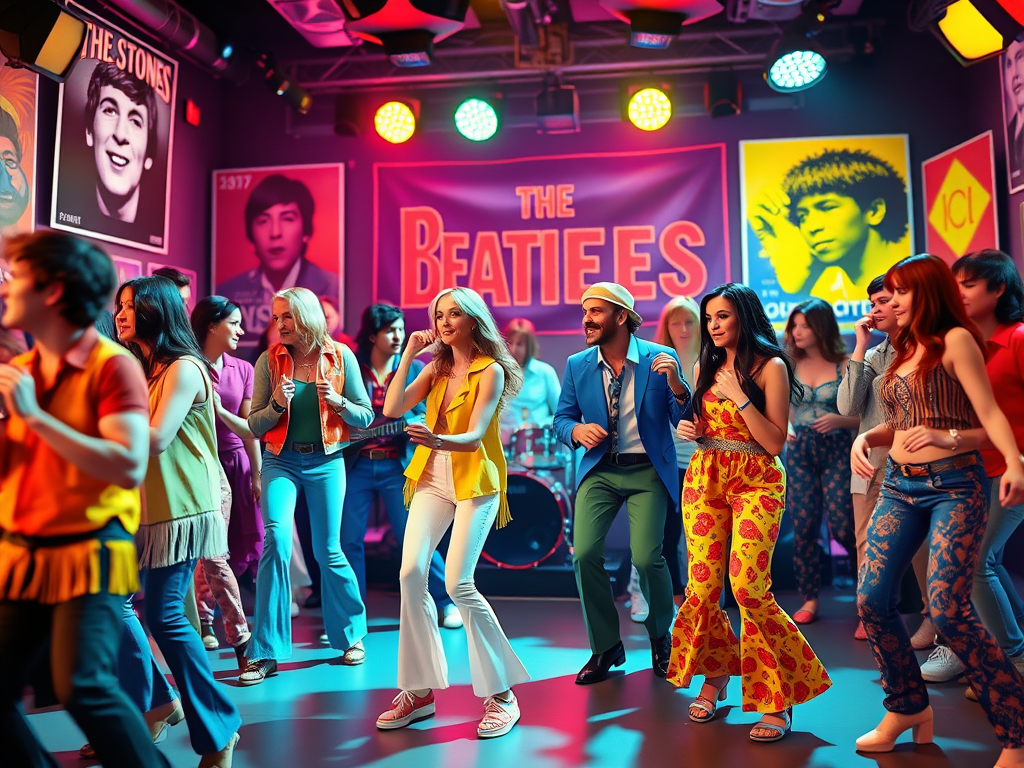
    From supermodels to pop stars, celebrities were the ultimate trendsetters in the 90s. In the next section, we’ll explore the influence of icons. We will discuss Kate Moss, TLC, and Will Smith. Their impact on the fashion landscape is significant. Their looks continue to inspire us today. Get ready for a star-studded trip down memory lane!

    Beauty shot of a model with classic 90s hair and makeup, featuring space buns, glossy lips, frosted eyeshadow, and thin brows.

    Celebrities Who Defined 90s Fashion: From Runways to Red Carpets

    Celebrities were the ultimate trendsetters of the 90s, using their star power to shape the fashion landscape and inspire millions. The music industry, in particular, was a major force, with icons like Madonna and Britney Spears leading the charge. Madonna’s chameleon-like style—ranging from punk-inspired leather to glamorous, Gaultier-designed gowns—encouraged fans to embrace bold, experimental looks. According to Vogue, Madonna’s influence on 90s fashion was so profound. Her looks are still referenced in modern collections, proving her timeless appeal.

    Television also played a pivotal role in defining 90s fashion. Shows like Friends and The Fresh Prince of Bel-Air turned their characters into style icons. Rachel Green’s chic, layered outfits became a blueprint for women’s fashion. Will Smith’s bold streetwear and vibrant preppy looks redefined men’s style. These shows didn’t just entertain—they became fashion encyclopedias, showcasing trends that fans eagerly adopted.

    The 90s also marked the rise of the supermodel era. Legends like Naomi Campbell, Kate Moss, and Cindy Crawford dominated runways and magazine covers. Their influence extended beyond high fashion. They popularized the “heroin chic” aesthetic. This look was characterized by slim silhouettes, pale skin, and an effortlessly cool vibe. This era redefined beauty standards and cemented the supermodels’ status as global icons.

    From music to TV to the runway, celebrities in the 90s didn’t just follow trends. They created them. Their influence left an indelible mark on fashion. This influence continues to inspire today.

    The 90s are back—but with a modern twist. In the next section, we’ll explore how today’s designers and fashionistas are reimagining iconic 90s trends. They are blending nostalgia with contemporary flair. Get ready to see how the past is shaping the future of fashion!

    Collage of illustrated or silhouette-inspired depictions of 90s fashion icons in slip dresses, oversized streetwear, and bold red carpet outfits.

    90s Fashion Then and Now: Nostalgia Meets Modern Reinvention

    The 90s are back—but with a modern twist. As fashion cycles continue, the nostalgia for iconic 90s trends has sparked a revival, reimagined to fit today’s sensibilities. Take grunge, for example. The original look was all about oversized flannels and combat boots. Today’s version often pairs these elements with tailored blazers or sleek ankle boots. This combination creates a more polished and versatile aesthetic. This blend of old and new allows fashion lovers to honor the past while staying firmly rooted in the present.

    The minimalist trend of the 90s has also been updated for the modern era. While the original movement celebrated neutral tones and clean lines, today’s minimalist fashion incorporates sustainable materials and ethical practices. Brands like Everlane and COS are leading the charge. They offer timeless pieces. These align with the growing demand for conscious consumerism. According to Business of Fashion, 60% of consumers now prioritize sustainability when shopping. This modern take on 90s minimalism is both stylish and socially responsible.

    And let’s not forget the playful side of 90s fashion. Bold prints are making a comeback in today’s street style. Colorful accessories and quirky details are also returning. Fashion influencers are mixing vintage-inspired pieces with modern staples, creating looks that feel fresh yet nostalgic. Trends like bucket hats, chokers, and slip dresses have resurged. This proves that 90s fashion is more than a passing fad. It’s a timeless source of inspiration.

    This fusion of nostalgia and modernity highlights the cyclical nature of fashion, where the past continually informs the future. The 90s are decades behind us, but their influence is alive and well in today’s wardrobes.

    Ready to bring the 90s into your wardrobe? In the next section, we’ll share practical tips on how to incorporate iconic 90s trends into your modern style. From grunge to minimalism, discover how to make these retro looks work for you today!

    Side-by-side fashion image showing a classic 90s outfit next to a modern, refined 2025 reinterpretation.

    How to Rock 90s Fashion Trends in 2025: A Modern Style Guide

    Bringing 90s fashion trends into your 2025 wardrobe is easier—and more fun—than you think. Start by identifying key pieces that align with your personal style. Oversized denim jackets and vintage graphic tees are timeless staples that can effortlessly blend into modern outfits. For a chic, balanced look, pair an oversized denim jacket with a fitted midi dress. Style a graphic tee with high-waisted mom jeans for a casual, retro vibe. These pieces not only capture the essence of 90s fashion but also offer comfort and versatility for everyday wear.

    Accessories are another fantastic way to channel 90s nostalgia. Chunky sneakers and platform shoes are making a major comeback, adding an edgy, retro touch to any outfit. According to Lyst, searches for chunky sneakers increased by 150% in 2023, proving their staying power. Don’t forget to layer on accessories like chokersbucket hats, or colorful scrunchies to complete your look. Mixing these 90s-inspired accessories with modern pieces creates a fresh, balanced aesthetic that feels both nostalgic and contemporary.

    Finally, embrace the boldness of the 90s by experimenting with color and patterns. Whether it’s a floral slip dress, plaid trousers, or a vibrant handbag, these statement pieces can instantly elevate your outfit. The 90s were all about self-expression, so don’t be afraid to have fun and make these trends your own. By thoughtfully incorporating 90s fashion into your wardrobe, you can create a style that’s uniquely yours. You can celebrate the past while staying firmly rooted in the present.

    Love 90s fashion but want to stay eco-conscious? In the next section, we’ll explore how to embrace the 90s aesthetic while prioritizing sustainability. From thrifting vintage finds to supporting ethical brands, discover how to rock retro style responsibly!

    Street-style image of a model in a modern take on 90s fashion—oversized blazer, crop top, straight-leg jeans, and retro sneakers.

    Sustainable Fashion Meets 90s Aesthetic: How to Go Retro and Eco-Friendly

    The 90s aesthetic and sustainable fashion are a match made in heaven. The decade’s emphasis on practicality, individuality, and thriftiness aligns perfectly with today’s eco-conscious values. Back then, thrifting was more than just a trend—it was a way of life. Vintage stores and second-hand shops held unique, high-quality pieces. These shops allowed people to express their personal style. They didn’t need to spend a lot of money. Fast forward to today. Thrifting is once again in the spotlight. Platforms like Depop and ThredUp have reported a 200% increase in users over the past two years, according to Vox.

    The 90s also celebrated DIY culture, where creativity and resourcefulness reigned supreme. People customized their clothes with patches, embroidery, and even fabric paint, turning old garments into one-of-a-kind masterpieces. This DIY spirit is making a comeback. Brands like Levi’s offer repair services. They also encourage customers to personalize their denim. By embracing this approach, you can rejuvenate vintage pieces. This creates a wardrobe that is both sustainable and uniquely yours.

    The 90s’ love for casual, comfortable styles also dovetails beautifully with today’s sustainable fashion movement. Think oversized flannels, slip dresses, and mom jeans—timeless pieces that prioritize comfort and longevity. Modern brands are taking this a step further by using eco-friendly materials like organic cotton and recycled polyester. According to Fashion Revolution, 75% of consumers now prefer brands that are transparent about their sustainability practices. By blending 90s aesthetics with ethical choices, you can create a wardrobe that’s stylish, sustainable, and deeply personal.

    From Princess Diana’s revenge dress to the rise of grunge, the 90s were packed with unforgettable fashion moments. In the next section, we’ll revisit the iconic looks and events that defined the decade—and continue to inspire us today. Get ready for a trip down memory lane!

    Fashion shot of a model in sustainable 90s-inspired clothing, featuring recycled denim, an oversized cotton T-shirt, and eco-friendly sneakers.

    Iconic 90s Fashion Moments That Changed the Game

    The 90s were a treasure trove of iconic fashion moments that continue to inspire and influence the industry today. Elizabeth Hurley’s Versace safety pin dress was unforgettable. It was worn at the 1994 premiere of Four Weddings and a Funeral. This daring design, held together with strategically placed safety pins, became an instant sensation, catapulting Hurley into the fashion spotlight. According to Vogue, the dress remains one of the most talked-about red carpet looks of all time. It symbolizes the bold, boundary-pushing spirit of 90s fashion.

    Another legendary moment came in 1996. Princess Diana graced the MTV Video Music Awards in a sleek black off-the-shoulder dress. She paired it with a pearl choker. This look, often referred to as her “revenge dress,” was a masterclass in elegance and modernity. It showed the world that royalty can embrace contemporary trends while maintaining timeless sophistication. The impact of this moment was seismic, inspiring designers and fashion lovers for decades.

    The 90s also saw the rise of the supermodel phenomenon, epitomized by George Michael’s Freedom! music video. Featuring legends like Naomi Campbell, Linda Evangelista, and Christy Turlington, the video showcased their fierce beauty and undeniable charisma. This moment wasn’t just about fashion—it was a cultural statement, redefining beauty standards and empowering women worldwide. As Harper’s Bazaar notes, the Freedom! video remains a defining moment in fashion history, cementing the supermodels’ status as global icons.

    These iconic moments—each bold, daring, and unforgettable—showcased the creativity and cultural impact of 90s fashion. They remind us why this decade continues to captivate and inspire.

    The 90s are over, but their influence on fashion is stronger than ever. In the final section, we’ll explore why these iconic trends continue to inspire designers, influencers, and fashion lovers today. You will also learn how you can keep the 90s spirit alive in your wardrobe.

    Runway-style fashion shot of a model in an iconic 90s-inspired outfit, featuring a slip dress and a faux fur coat.

    Why 90s Fashion Trends Still Matter Today

    The 90s weren’t just a decade—they were a fashion revolution. From grunge to minimalism to streetwear, the trends of the 90s have left an indelible mark on the fashion world. Their influence is stronger than ever today. According to Google Trends, searches for “90s fashion trends” have increased by 300% over the past five years. This increase proves that this iconic era continues to captivate modern audiences. The resurgence of nostalgic styles, combined with contemporary twists, creates a dynamic blend. This mix bridges the past and present. It offers endless inspiration for today’s fashion lovers.

    What makes 90s fashion so timeless is its emphasis on self-expression and individuality. The decade taught us that style isn’t just about following trends—it’s about telling your story through what you wear. This ethos resonates deeply with today’s consumers, who value authenticity and personal flair. The 90s demonstrate that fashion is a powerful tool. It can express the rebellious spirit of grunge or the effortless elegance of minimalism. It helps in the journey of self-discovery.

    As we look to the future, the legacy of 90s fashion endures, inspiring designers, influencers, and everyday fashionistas alike. The revival of slip dresses and chunky sneakers influences our fashion today. Also, sustainable practices from the 90s are integrated into modern style. This iconic decade proves that great fashion isn’t just about what’s new—it’s about what stands the test of time.

    Why are 90s fashion trends still dominating the style scene in 2025? In the next section, we’ll break down the top 5 reasons these iconic looks continue to inspire designers. They also continue to influence influencers and fashion lovers worldwide. Get ready to discover why the 90s are more than just a trend—they’re a timeless movement.

    If you want to add these iconic styles to your wardrobe, explore Saflore. It is your go-to destination for curated fashion pieces. These pieces blend nostalgia with modern flair. From vintage-inspired finds to contemporary essentials, Saflore offers something for every 90s enthusiast. Explore the collection at saflore.com and rediscover the magic of 90s fashion today.

    Fashion portrait of a model in a fusion of 90s and modern styles, featuring platform shoes, a slip dress, and vintage sunglasses.

  • The Biggest Fashion Trends of 2025: What’s In & What’s Out

    The Biggest Fashion Trends of 2025: What’s In & What’s Out

    Why Staying Ahead of Fashion Trends Matters in 2025

    Staying ahead of fashion trends isn’t just about looking good—it’s about making a statement. Fashion is a powerful tool for self-expression, allowing you to showcase your personality, values, and creativity. In 2025, cultural and social movements will continue to shape the world. Your style can speak volumes about your awareness. It also shows your adaptability. Embracing the latest fashion trends not only helps you stand out. It also boosts your confidence. This makes you feel more connected to the world around you.

    From a business perspective, staying ahead of fashion trends is equally crucial. Brands and designers who anticipate fashion trends in 2025 are better prepared. They can create collections that resonate with consumers. According to McKinsey’s State of Fashion Report, 78% of consumers are more to trust brands. This trust is strongest with brands that align with their personal values. These values are often reflected in fashion trends. By staying ahead of the curve, businesses can build loyalty, drive innovation, and maintain their relevance in a fast-paced industry.

    But it’s not just about business—it’s about personal growth, too. Keeping up with fashion trends 2025 encourages you to experiment with bold new styles, unexpected fabrics, and daring combinations. It’s an invitation to step out of your comfort zone and discover a more authentic version of yourself. As we move closer to 2025, staying ahead of fashion trends isn’t just a choice. It’s a way to embrace creativity. It embodies individuality and the ever-evolving world of style.

    Ever wondered how experts predict the hottest fashion trends 2025? In the next section, we’ll dive into the fascinating world of trend forecasting. We will explore everything from analyzing runway shows to tracking social media buzz. You’ll discover how data, culture, and creativity come together to shape the future of fashion.

    Fashion-forward individual walking in a futuristic cityscape, wearing a cutting-edge outfit with high-tech elements and neon lights in the background.

    How Fashion Trends for 2025 Are Predicted: The Science Behind the Style

    Forecasting fashion trends is both an art and a science. It blends creativity with data-driven insights to predict what will dominate the fashion landscape in 2025. Experts in trend forecasting analyze a wide range of factors. They consider societal shifts and technological innovations. They also look at economic conditions and cultural movements. They examine everything from art and music to politics and consumer behavior. This analysis creates a detailed roadmap of the styles, colors, and materials that will define the future.

    One of the most fascinating aspects of trend forecasting is its reliance on historical patterns. Fashion is inherently cyclical, with past trends often resurfacing in new and innovative ways. For example, the resurgence of 90s and Y2K aesthetics in recent years shows how forecasters use historical data. They predict comebacks with this information. According to WGSN, a leading trend forecasting agency, 65% of future trends are influenced by past styles. These styles are reimagined for modern audiences. This historical perspective is paired with real-time observations of street style. Social media and influencer culture provide immediate insights into what’s resonating with consumers today.

    Technology is also revolutionizing how trends are predicted. Advanced tools like artificial intelligence and data analytics are now used to track online consumer behavior. They monitor social media engagement and sales patterns. Brands like Zara and H&M use AI to analyze millions of data points. This helps them predict which trends will hit big. A 2023 report by Business of Fashion revealed that 72% of fashion companies now rely on AI-driven insights. These insights help them stay ahead of the curve. As we move into 2025, traditional forecasting methods will merge with cutting-edge technology. This fusion will shape how we anticipate fashion trends. It will also influence how we embrace these trends.

    Fashion trends don’t just emerge out of thin air—they evolve over time, shaped by history, culture, and innovation. In the next section, we’ll explore how fashion trends have transformed over the decades. We will also discuss what this transformation means for the styles we’ll see in 2025. Get ready to take a journey through the fascinating evolution of fashion!

    A stylist analyzing digital fashion trends on a holographic screen, with futuristic charts and AI-powered style predictions displayed.

    From Past to Present: How Fashion Trends Have Evolved Leading Up to 2025

    Fashion trends have always been a mirror of society, reflecting cultural shifts, technological advancements, and evolving values. Over the decades, we’ve witnessed dramatic transformations. There were rebellious flapper dresses of the 1920s. Then came the bold, grunge-inspired looks of the 1990s. Each era brought its own unique flair, shaped by the social and political climate of the time. Fast forward to the 21st century. Fashion has become a global phenomenon. Trends transcend borders and blend influences from around the world.

    The early 2000s marked a turning point with the rise of fast fashion, which revolutionized how we consume style. Brands like Zara and H&M made it possible to replicate runway looks quickly. This created a culture of instant gratification. However, this rapid pace came at a cost. According to the Ellen MacArthur Foundation, the fashion industry is responsible for 10% of global carbon emissions. This statistic has sparked a much-needed conversation about sustainability. This has led to a shift in consumer behavior, with more people prioritizing quality over quantity and embracing slow fashion.

    As we approach 2025, the fashion industry is undergoing another transformation—one driven by social responsibility and inclusivity. Brands are now focusing on ethical production, sustainable materials, and diverse representation. For example, a 2023 report by Fashion Revolution found that 68% of consumers prefer to support brands. These brands align with their values. This evolution isn’t just about aesthetics; it’s about creating a fashion landscape that values authenticity, creativity, and responsibility. The trends of 2025 will reflect this deeper cultural narrative. They will shape a future where style and sustainability go hand in hand.

    Curious about what’s going to dominate the fashion scene in 2025? From bold colors to futuristic fabrics, the next section dives into the key trends that will shape the industry. Get ready to discover the styles that will define the future—and how you can incorporate them into your wardrobe!

    A timeline of fashion evolution, showcasing outfits from the 2000s to 2025, with changing styles and trends across the decades.

    Top Fashion Trends 2025: What’s Defining the Future of Style

    The fashion landscape of 2025 is set to be a thrilling blend of innovation, inclusivity, and sustainability. It reflects the values and challenges of our time. One of the most transformative trends is the rise of gender-fluid fashion. As society moves toward embracing diverse gender identities, fashion is following suit. Brands are breaking free from traditional gender norms, creating designs that celebrate individuality and self-expression. According to a 2023 report by McKinsey, 42% of Gen Z consumers prefer brands that offer gender-neutral options. This indicates a seismic shift in how fashion is perceived and consumed.

    Another game-changing trend is the integration of technology into fashion. From smart textiles to 3D printing, technology is revolutionizing every aspect of the industry. Imagine clothes that adapt to your body temperature. Or picture clothes that change color based on your mood. This isn’t science fiction; it’s the future of fashion. Augmented reality (AR) is also making waves. Virtual fitting rooms let shoppers “try on” outfits from the comfort of their homes. A study by Statista predicts that the global market for AR in fashion will grow by 30% annually, reaching $12.8 billion by 2025. These innovations aren’t just enhancing the consumer experience—they’re also paving the way for more efficient, waste-free production processes.

    Finally, sustainability remains a cornerstone of the 2025 fashion narrative. Consumers are increasingly demanding transparency and accountability from brands, leading to a surge in eco-friendly practices. From recycled materials to circular fashion models, the industry is undergoing a green revolution. For instance, brands like Patagonia and Stella McCartney are leading the charge, proving that style and sustainability can coexist. A 2023 survey by Nielsen found that 73% of global consumers are willing to change their consumption habits. Their goal is to reduce environmental impact. This isn’t just a trend—it’s a movement toward a more ethical and responsible fashion future.

    Sustainability isn’t just a buzzword—it’s the future of fashion. In the next section, we’ll explore how eco-friendly practices are shaping the industry in 2025. Recycled materials and circular fashion models are also contributing to this change. Discover how you can stay stylish while making a positive impact on the planet!

    A collage of models wearing 2025’s top fashion trends, including futuristic fabrics, bold designs, and sustainable clothing, set in a modern city.

    Sustainable Fashion Trends 2025: The Green Revolution in Style

    The fashion industry is undergoing a green revolution, and by 2025, sustainability will no longer be optional—it will be essential. Consumer awareness and demand for ethical practices are rising. As a result, sustainable fashion trends are reshaping how we design, produce, and consume clothing. One of the most exciting developments is the rise of recycled and upcycled materials. Brands are turning post-consumer waste, like plastic bottles and discarded textiles, into chic, high-quality garments. For instance, Adidas has already sold over 15 million pairs of shoes made from ocean plastic. This achievement proves that sustainability and style can go hand in hand. This shift not only reduces waste but also slashes the carbon footprint of traditional textile production.

    Another game-changer is the circular fashion model. It reimagines clothing as part of a continuous lifecycle rather than a one-time purchase. Brands like H&M and Patagonia are leaders in this movement. They offer take-back programs that allow customers to return used items for recycling or refurbishing. According to the Ellen MacArthur Foundation, adopting circular fashion practices reduce global carbon emissions by 45% by 2030. This trend is empowering consumers to rethink their habits and embrace a more sustainable relationship with fashion.

    Transparency is also becoming non-negotiable. Today’s shoppers want to know the story behind their clothes. They are interested in everything from the sourcing of materials to the working conditions of garment workers. Brands that prioritize ethical labor practices and supply chain transparency are gaining trust and loyalty. Certifications like Fair Trade and B Corp are becoming badges of honor, signaling a commitment to social and environmental responsibility. A 2023 report by Fashion Revolution revealed an insightful fact. It showed that 75% of consumers are more to support brands that are transparent about their practices. As we move into 2025, sustainable fashion trends will continue to challenge the status quo. These trends are driving innovation and inspiring a new era of conscious consumption.

    From smart fabrics to AI-designed collections, technology is revolutionizing the fashion industry. In the next section, we’ll explore how tech-driven innovations are shaping the future of style in 2025. Get ready to discover how fashion is becoming smarter, more personalized, and more sustainable than ever before!

    Models in eco-friendly outfits made of sustainable materials, posing in a lush green urban space with vertical gardens.

    Tech-Driven Fashion Innovations 2025: Where Style Meets the Future

    The fashion industry is on the brink of a tech-driven revolution. By 2025, innovation will be at the heart of how we create, wear, and experience style. One of the most exciting developments is the rise of wearable technology. Imagine clothing that does more than just look good. Smart garments embedded with sensors can monitor your heart rate. They can track your fitness goals. They can even sync with your smartphone to adjust to your preferences. Brands like Ralph Lauren and Levi’s are already experimenting with smart fabrics. These brands demonstrate that fashion can be both functional and fashionable. Grand View Research reports that the global wearable technology market is expected to reach $74 billion by 2025. This market is growing rapidly. This highlights its growing influence on the industry.

    Another game-changing innovation is 3D printing, which is revolutionizing how designers bring their visions to life. This technology allows for the creation of intricate, customizable designs that were once impossible to produce. For example, designer Iris van Herpen has used 3D printing to craft stunning and avant-garde pieces. These pieces blur the line between fashion and art. Beyond its creative potential, 3D printing also promotes sustainability by enabling on-demand production, reducing waste, and minimizing overstock. A 2023 study by McKinsey found that 40% of fashion brands are exploring 3D printing. They aim to streamline their production processes. They also want to meet consumer demand for unique, personalized items.

    Virtual and augmented reality are also transforming the shopping experience. Virtual fitting rooms and AR apps allow consumers to “try on” clothes from the comfort of their homes. This makes online shopping more interactive. It also reduces return rates. Brands like Gucci and Zara are already using AR to create immersive shopping experiences, blending the digital and physical worlds. As these technologies become more widespread, they’ll enhance convenience. They will also pave the way for a more sustainable and personalized fashion future.

    From TikTok stars to Instagram icons, influencers are redefining how we discover and embrace fashion trends. In the next section, we’ll explore how these digital tastemakers are shaping the future of style in 2025. We will also discuss what it means for brands and consumers alike. Get ready to dive into the world of influencer-driven fashion!

    A model wearing smart clothing with built-in LED displays, adjusting digital controls on their outfit in a high-tech fashion showroom.

    How Influencers Are Shaping Fashion Trends in 2025

    Influencers have become the heartbeat of the fashion industry, driving trends and reshaping consumer behavior like never before. These digital tastemakers have massive social media followings. Their unparalleled reach is redefining what it means to be stylish in 2025. Platforms like Instagram, TikTok, and YouTube have turned influencers into trendsetters. They allow them to showcase their unique aesthetics. They also amplify brands that resonate with their values. According to a 2023 report by Influencer Marketing Hub, 72% of consumers say they trust influencers more than traditional advertisements. This highlights their growing impact on the fashion narrative.

    One of the most exciting shifts in the influencer space is the push for diversity and inclusivity. As societal norms evolve, there’s a growing demand for representation across body types, ethnicities, and gender identities. Influencers like Lizzo, Paloma Elsesser, and Aaron Philip are leading the charge. They use their platforms to celebrate individuality. They also challenge outdated beauty standards. Brands are taking note, collaborating with a broader range of influencers to authentically connect with diverse audiences. For instance, Fenty Beauty’s inclusive campaigns have set a new benchmark, proving that representation isn’t just a trend—it’s a movement.
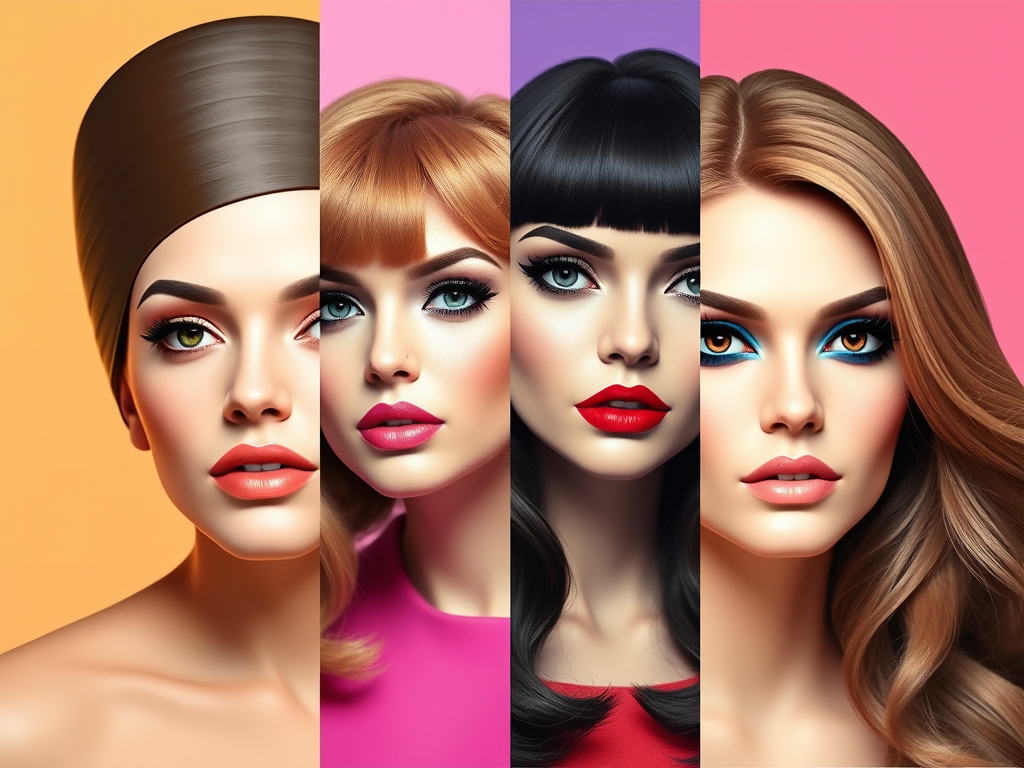
    Authenticity is also becoming non-negotiable. Today’s consumers crave genuine connections and are quick to spot inauthentic endorsements. Influencers who prioritize transparency and only promote products they truly believe in are building deeper trust with their followers. A 2023 survey by Morning Consult discovered that 63% of consumers are more to purchase a product. They are inclined to do so if it’s recommended by an influencer they trust. As we move into 2025, influencers will keep shaping the fashion industry. They will drive conversations around inclusivity, authenticity, and social responsibility.

    From iconic runway shows to groundbreaking exhibitions, fashion events are where trends are born and creativity thrives. In the next section, we’ll highlight the must-attend fashion events of 2025. We will explain why these events are essential for anyone looking to stay ahead of the curve. Get ready to mark your calendars!

    A digital fashion influencer livestreaming in a modern studio, surrounded by social media engagement metrics and AR clothing filters.

    Top Fashion Events to Watch in 2025: Where Trends Come to Life

    Fashion events are the beating heart of the industry. In 2025, they’ll be bigger, bolder, and more innovative than ever. New York Fashion Week (NYFW) leads the pack. It is a global powerhouse. It sets the tone for the season’s hottest trends. In 2025, expect NYFW to blend classic runway shows with cutting-edge formats that spotlight sustainability and technology. Emerging designers will take center stage, challenging traditional norms and introducing fresh perspectives. The Business of Fashion reports that 60% of fashion weeks worldwide are now incorporating sustainable practices. This makes NYFW 2025 a must-watch for eco-conscious trendsetters.

    Another standout event is the Copenhagen Fashion Summit, the world’s leading forum for sustainable fashion. In 2025, this summit will convene industry leaders, policymakers, and innovators. They will tackle pressing issues like ethical production. Circular fashion and climate action are also on the agenda. With its focus on collaboration and actionable solutions, the summit is a driving force for change. A 2023 report by Global Fashion Agenda revealed that 80% of fashion brands are now committed to sustainability goals. This makes events like the Copenhagen Fashion Summit more critical than ever.

    But the future of fashion events isn’t just physical—it’s digital. Virtual fashion shows and immersive experiences are redefining how we engage with style. Brands like Balenciaga and Gucci are already experimenting with AR and VR to create unforgettable digital showcases. These innovations not only make fashion more accessible to global audiences but also push the boundaries of creativity. As we move into 2025, fashion events will continue to evolve. They will blend tradition with technology. This evolution will shape the trends and conversations that define the industry.
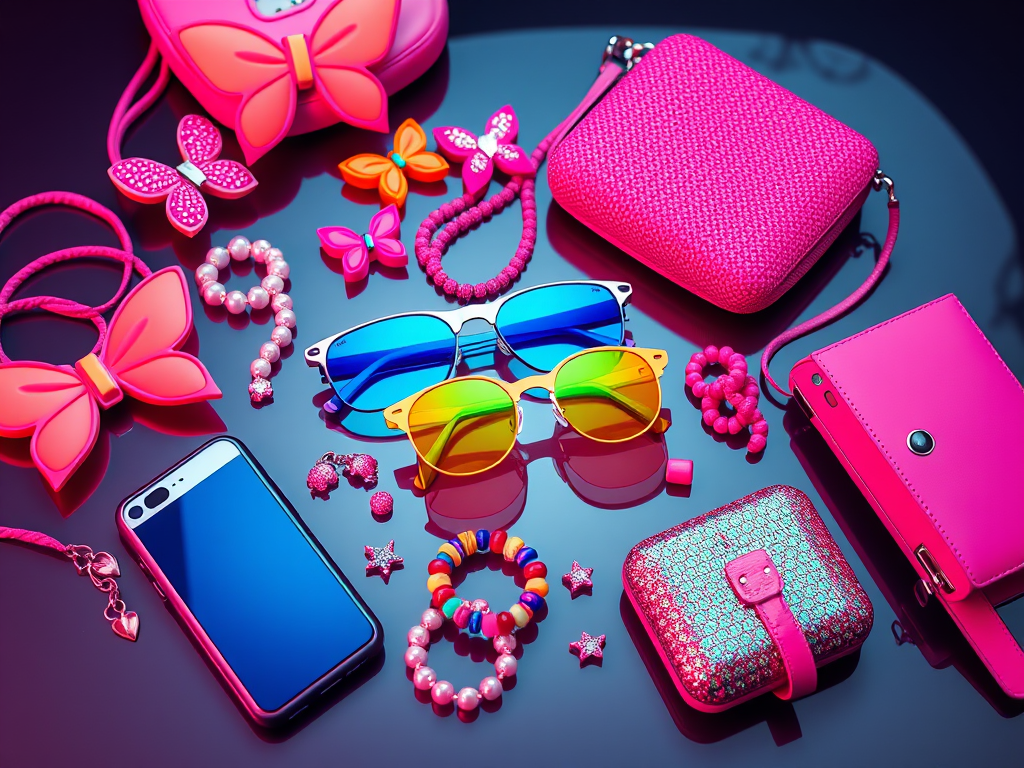
    The future of fashion is here, and it’s more exciting than ever. In the final section, we’ll explore how you can embrace the trends, innovations, and values shaping the industry in 2025. From sustainability to technology, discover how to stay ahead of the curve and make a statement with your style.

    A futuristic fashion runway event with avant-garde outfits, immersive holographic backdrops, and an excited audience.

    Embracing the Future of Fashion in 2025 and Beyond

    As we step into 2025, the fashion industry finds itself at the crossroads of innovation, sustainability, and inclusivity. This offers a future brimming with possibilities. This transformative era is not just about what we wear. It’s about how we express our values. We also embrace technology. It contributes to a more responsible world. Fashion trends such as gender-fluid designs, smart textiles, and circular fashion models emerge in 2025. These trends reflect a cultural shift. The focus is on creativity, accountability, and connection.

    For fashion enthusiasts, staying ahead means being open to experimentation and informed about the latest developments. The choices we make can have a profound impact. We can try out bold, tech-infused designs. Alternatively, we can support brands that champion sustainability. According to a 2023 report by Euromonitor International, 67% of consumers are willing to pay more for sustainable fashion. This signals a growing demand for ethical practices. By aligning our wardrobes with our values, we can make a statement that goes beyond style.

    In conclusion, the future of fashion is not just about trends—it’s about embracing a mindset of innovation, responsibility, and authenticity. As we navigate this exciting landscape, let’s celebrate the diversity of ideas and styles that shape our world. Together, we can pave the way for a fashion industry that’s not only stylish but also sustainable and inclusive. The future is here, and it’s time to make our mark.

    A diverse group of models walking a futuristic runway, representing sustainability, technology, and innovation in fashion.